
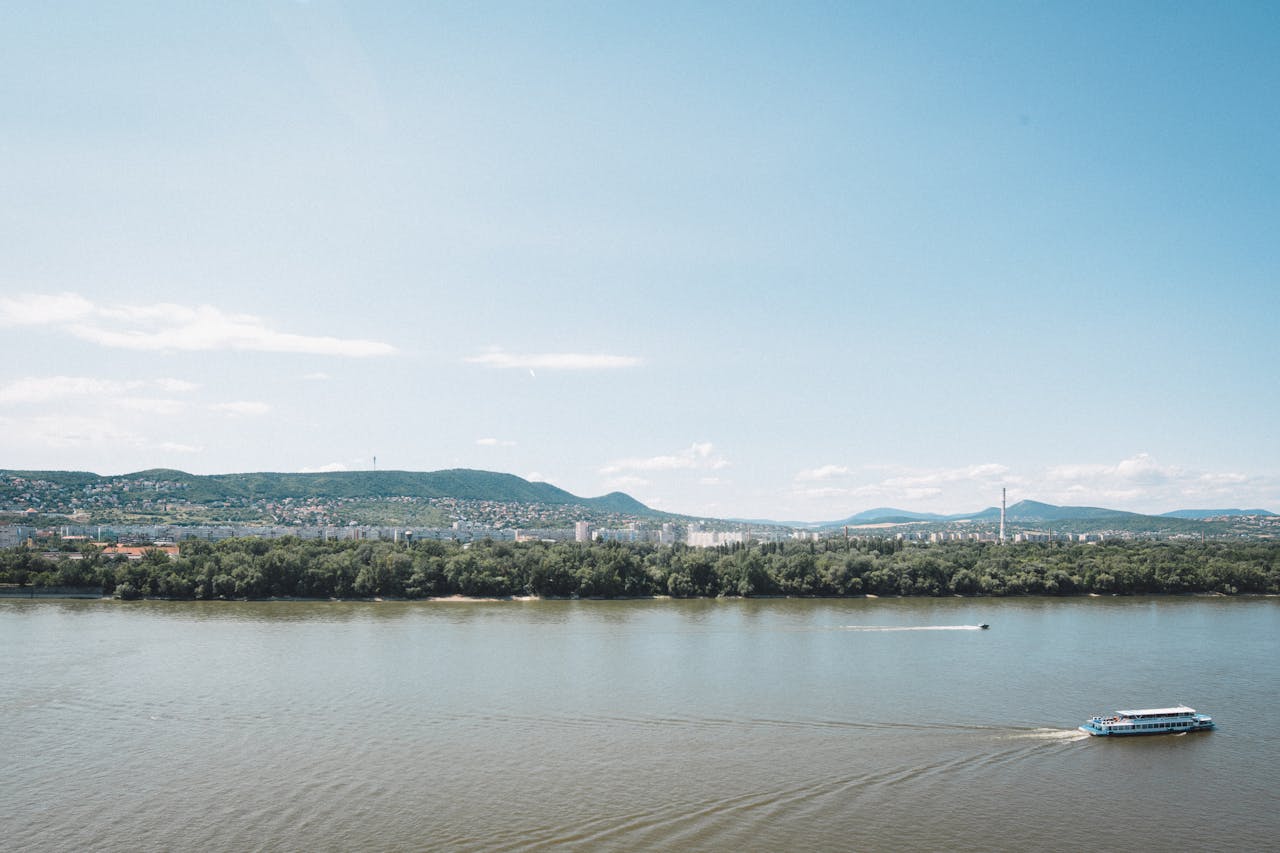
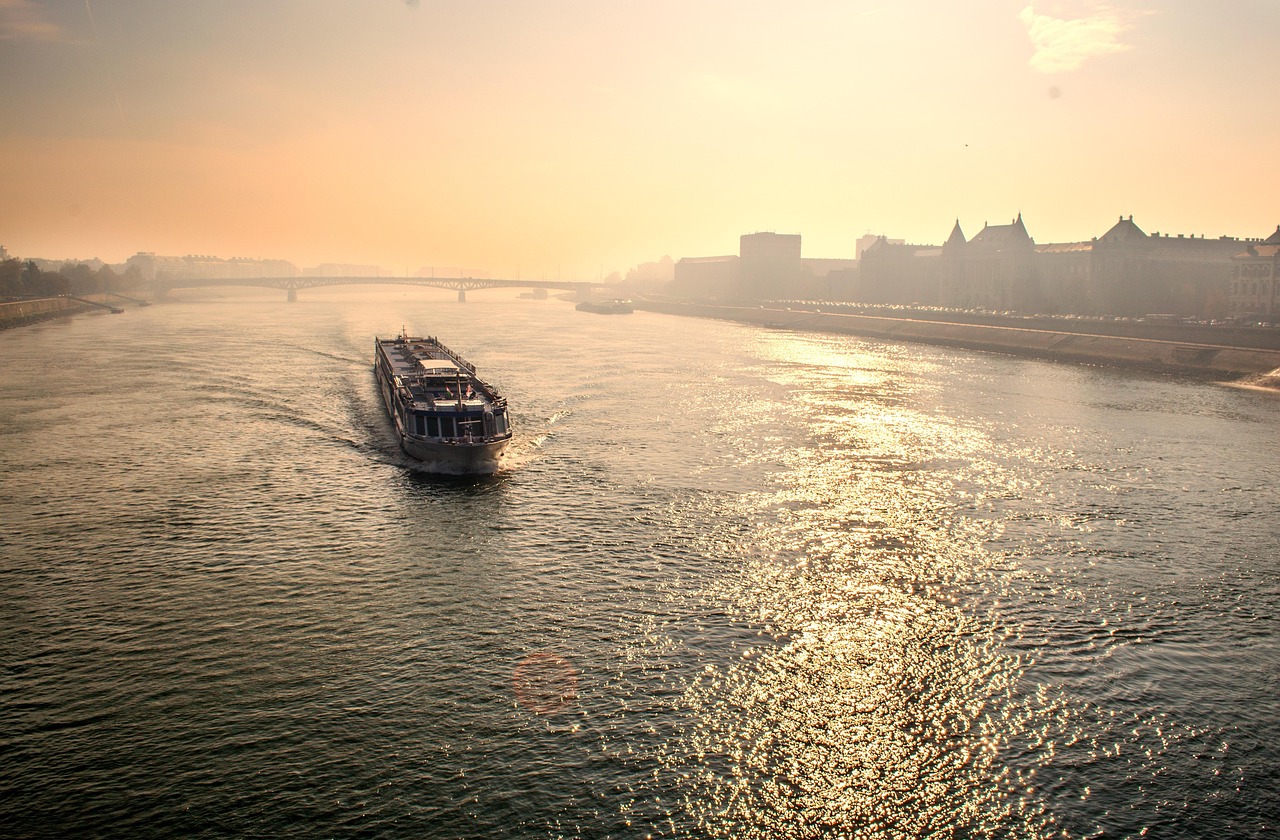
I was standing on the Pest embankment last October, staring across the Danube at Buda Castle turning gold in the late afternoon sun, when a sightseeing cruise slid past right in front of me. Every single person on the upper deck had their phone out. And I got it — because three days later, when I finally booked one myself, I understood exactly why.
A Danube sightseeing cruise is one of those things that sounds overly touristy until you actually do it. Then you realize it is genuinely one of the best ways to see Budapest. The city was built around this river, and the view from the water is completely different from what you get walking along the embankment.
The good news? Booking one takes about two minutes. The tricky part is figuring out which cruise is actually worth your time and money.
Best overall: Budapest City Highlights Sightseeing Cruise — $18. The most reviewed cruise in Budapest with 43,000+ reviews and a solid 4.6 rating. Covers all the main landmarks in about an hour.
Best for night views: Budapest By Night Sightseeing Cruise — $15. The cheapest option that includes a welcome drink. The evening Parliament views alone are worth the price.
Best with audio guide: Budapest Danube Cruise With Drink and Audio Guide — $24. Comes with a drink and a proper audio guide so you actually know what you are looking at.
- How Booking a Danube Sightseeing Cruise Works
- Official Ticket Booth vs. Online Booking: What is the Difference?
- The Best Danube Sightseeing Cruises to Book
- 1. Budapest City Highlights Sightseeing Cruise —
- 2. Budapest By Night Sightseeing Cruise —
- 3. Budapest Danube Cruise With Drink and Audio Guide —
- 4. Best of Budapest Cruise —
- When to Visit: Best Time for a Danube Sightseeing Cruise
- How to Get to the Danube Cruise Departure Points
- Tips That Will Save You Time (and Get Better Photos)
- What You Will Actually See on the Cruise
- More Budapest Guides
How Booking a Danube Sightseeing Cruise Works
There are basically two ways to book a sightseeing cruise on the Danube in Budapest: online in advance, or at one of the ticket booths along the riverbank.
Online booking is what I would recommend. You pick your cruise, choose a date and time, pay with your card, and get instant confirmation on your phone. No printing required — just show the QR code when you board. The main advantage is that you lock in your spot and your price. During peak season (June through September), the popular afternoon and sunset departures do sell out.
Walk-up tickets are available at booths along the Danube promenade, especially near Vigado Square and the Parliament area. You will pay the same price or sometimes a bit more, and you are limited to whatever departure times still have availability. On a random Tuesday in March? Totally fine. On a Saturday evening in July? You might be waiting for the next boat.
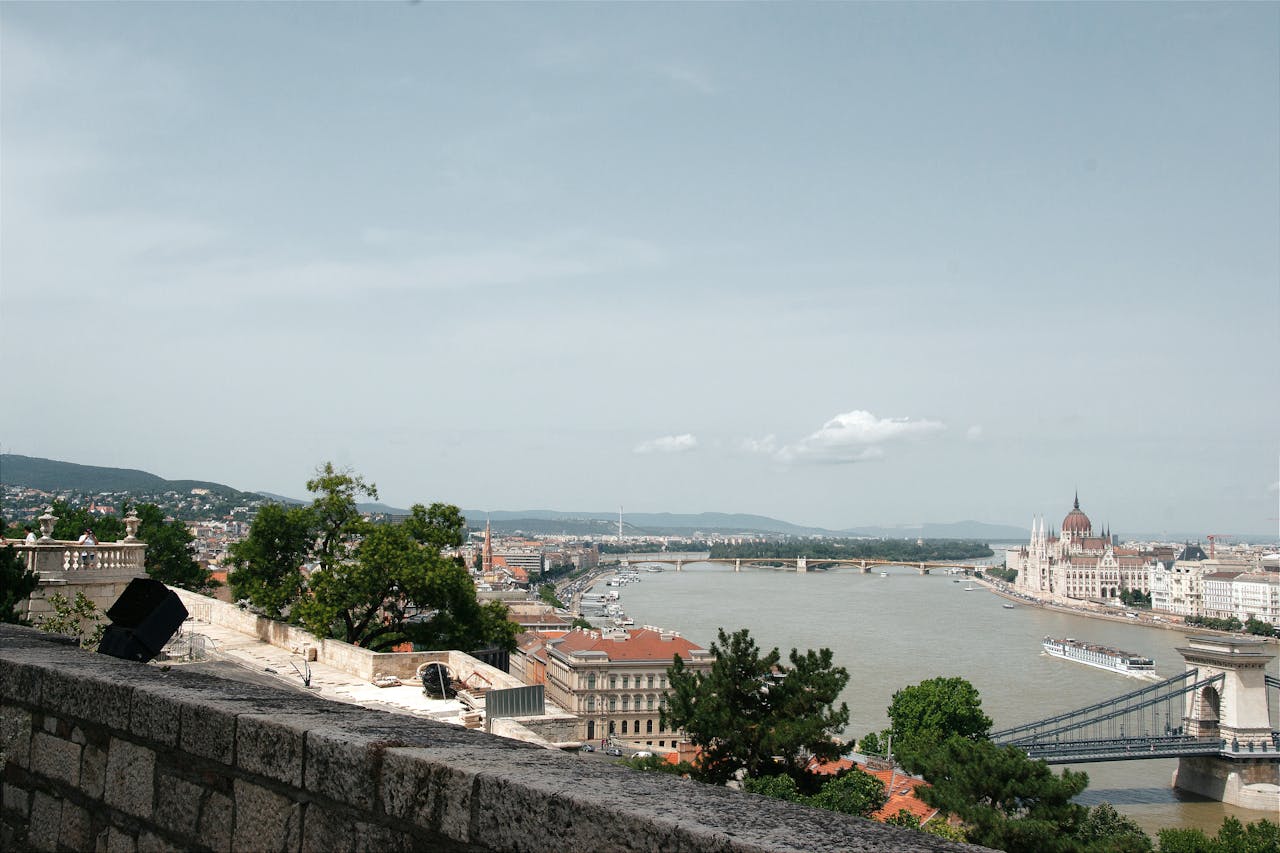
Most cruises depart from the Pest side of the river, near Dock 7 (close to the Parliament building). A few leave from near the Chain Bridge or Vigado Square. The exact departure point is always listed on the booking page, so double-check before you walk to the wrong pier.
Boarding is straightforward. Arrive about 15 minutes before departure. Show your booking confirmation. Pick a seat. Done. Most boats have an open upper deck and an enclosed lower deck. The upper deck is where you want to be — bring a light jacket even in summer, because the wind off the water can be surprisingly cool.
Official Ticket Booth vs. Online Booking: What is the Difference?
I have tried both, and here is the honest breakdown.
Online booking wins for convenience, price security, and guaranteed spots. You can compare cruises side by side, read thousands of reviews, and book months in advance if you want. Free cancellation up to 24 hours before is standard on most cruises through third-party platforms. If your plans change, you are covered.
Ticket booths work fine for spontaneous decisions. If you are walking along the Danube and the weather is gorgeous and you just want to hop on a boat, the booths are right there. But you lose the ability to compare options, and the people selling tickets at the booths are obviously going to push their own company cruises regardless of whether they are the best ones available.
There is also no price advantage to buying at the booth. In fact, online platforms occasionally run promotions or bundle discounts that you simply will not find at the pier. My advice: book online, but if you forgot and you are already standing there, the booths are perfectly fine for a last-minute decision.
The Best Danube Sightseeing Cruises to Book
I have tried several of these over multiple trips to Budapest. Here are the ones that are genuinely worth your money.
1. Budapest City Highlights Sightseeing Cruise — $18

This is the most popular sightseeing cruise in Budapest, and the numbers back it up — over 43,000 reviews with a 4.6-star average. At $18, it is also one of the most affordable ways to get out on the Danube and see the main landmarks.
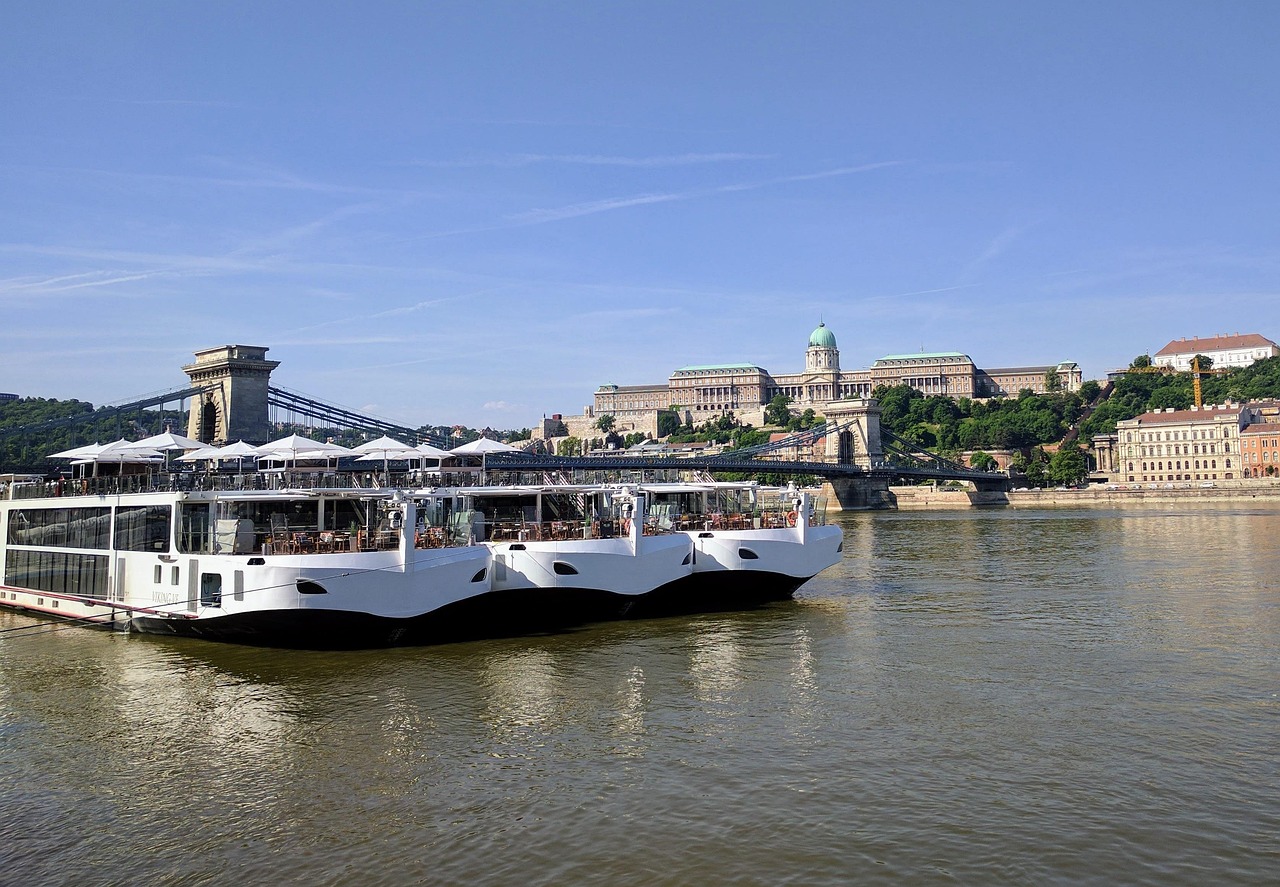
The cruise runs for about 70 minutes and covers the full UNESCO-listed stretch of the river. You will pass the Parliament, Buda Castle, the Chain Bridge, Gellert Hill, and Margaret Island. There is a bar on board if you want to grab a drink, and the boat has both an open-air upper deck and an enclosed lower level with panoramic windows.
What I like about this one is how no-nonsense it is. No gimmicks, no overpriced add-ons — just a solid cruise that does exactly what it promises. It is available multiple times per day, which makes it easy to fit into your schedule.
2. Budapest By Night Sightseeing Cruise — $15

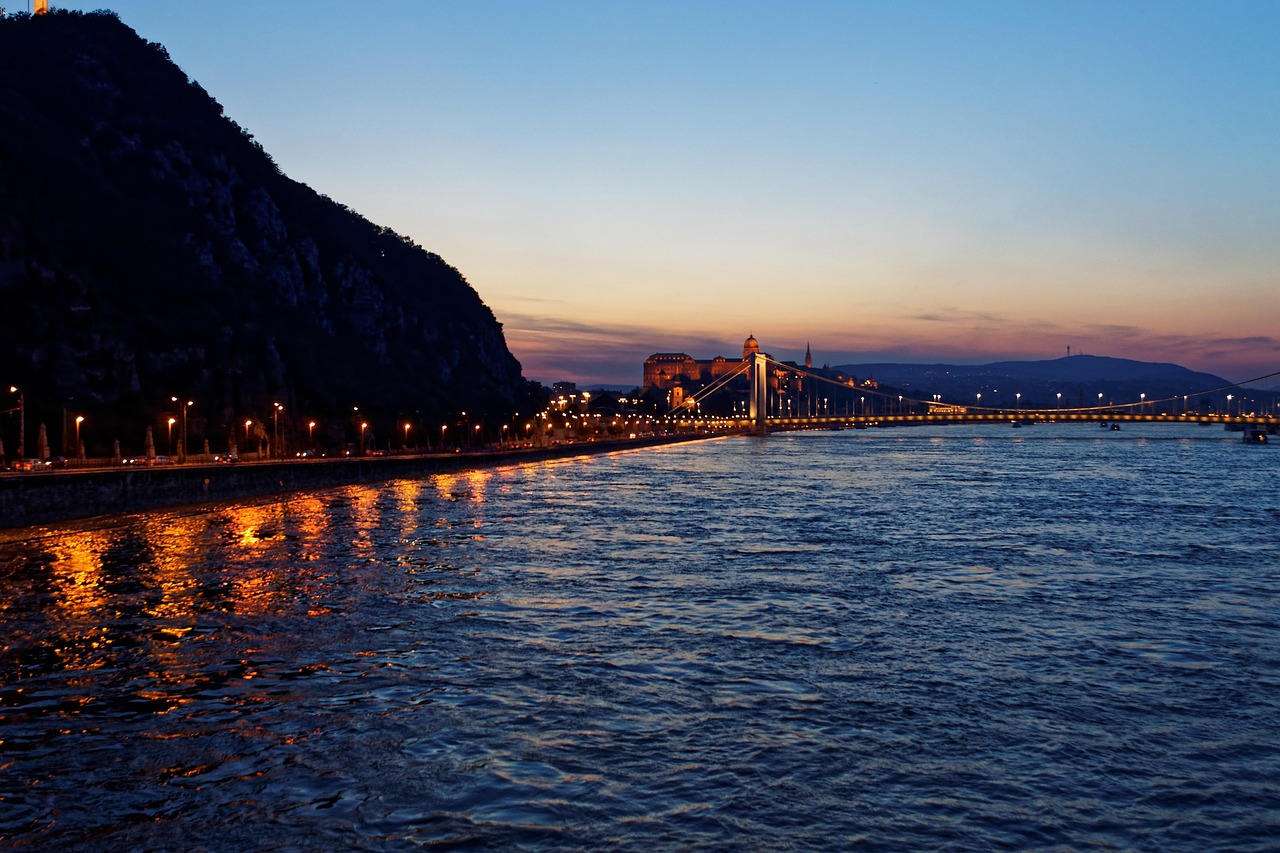
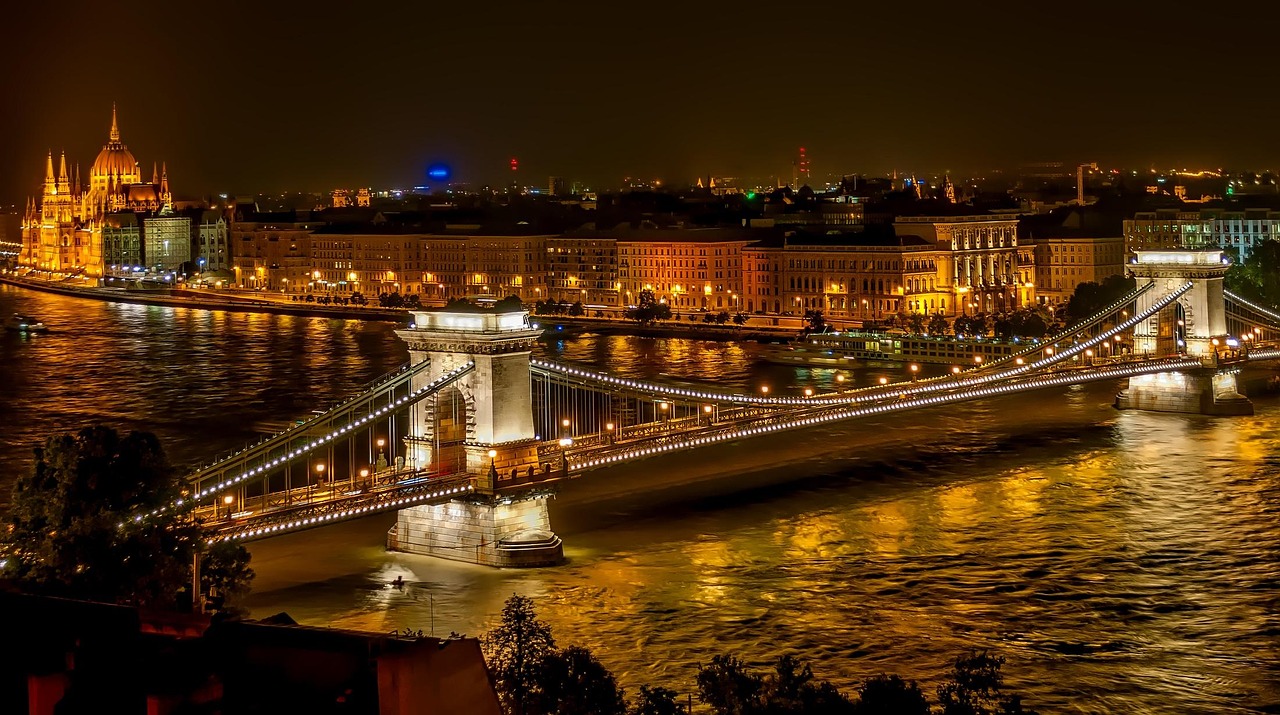
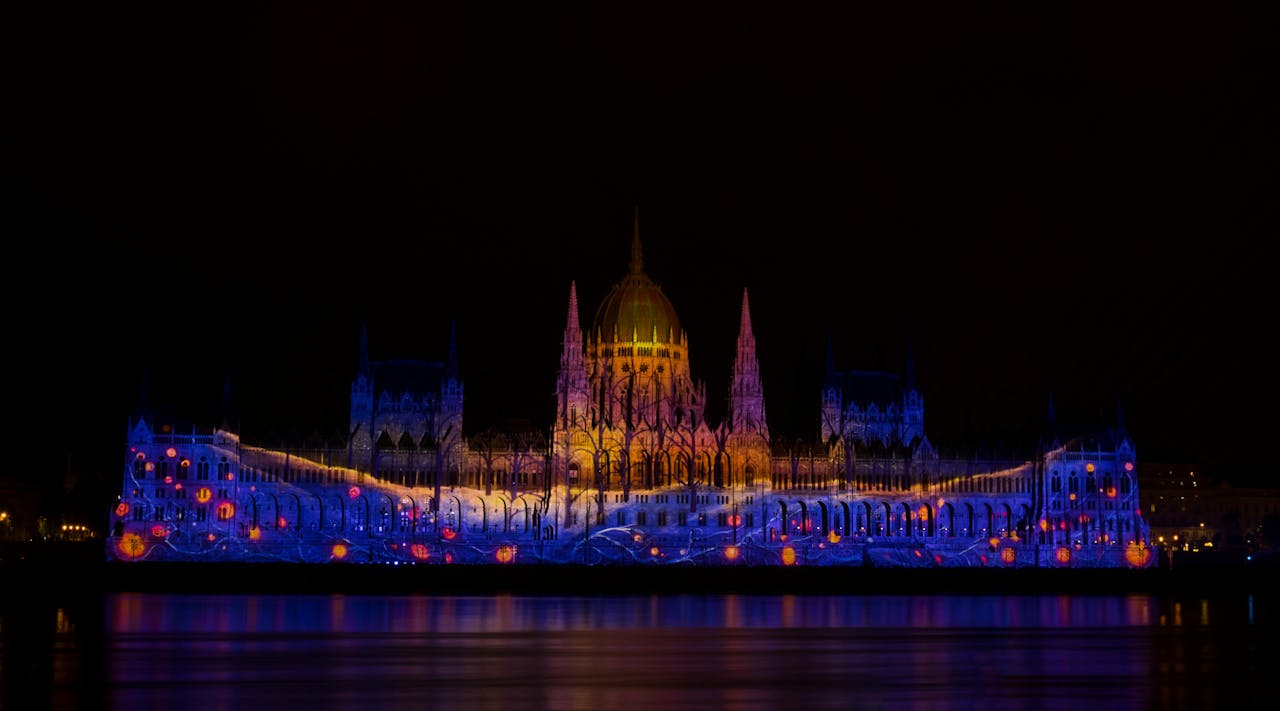
If you only have the budget for one cruise, and you are choosing between daytime and nighttime — go with the night. Budapest at night from the river is one of the most beautiful things I have seen in Europe, and I do not say that lightly.
This cruise includes a welcome drink and runs for about an hour. At $15, it is the cheapest option on this list. With 15,500+ reviews and a 4.3-star average, it is well-tested. The slightly lower rating compared to the daytime cruise seems to come from occasional crowding during peak summer — if you can, book for a weeknight.
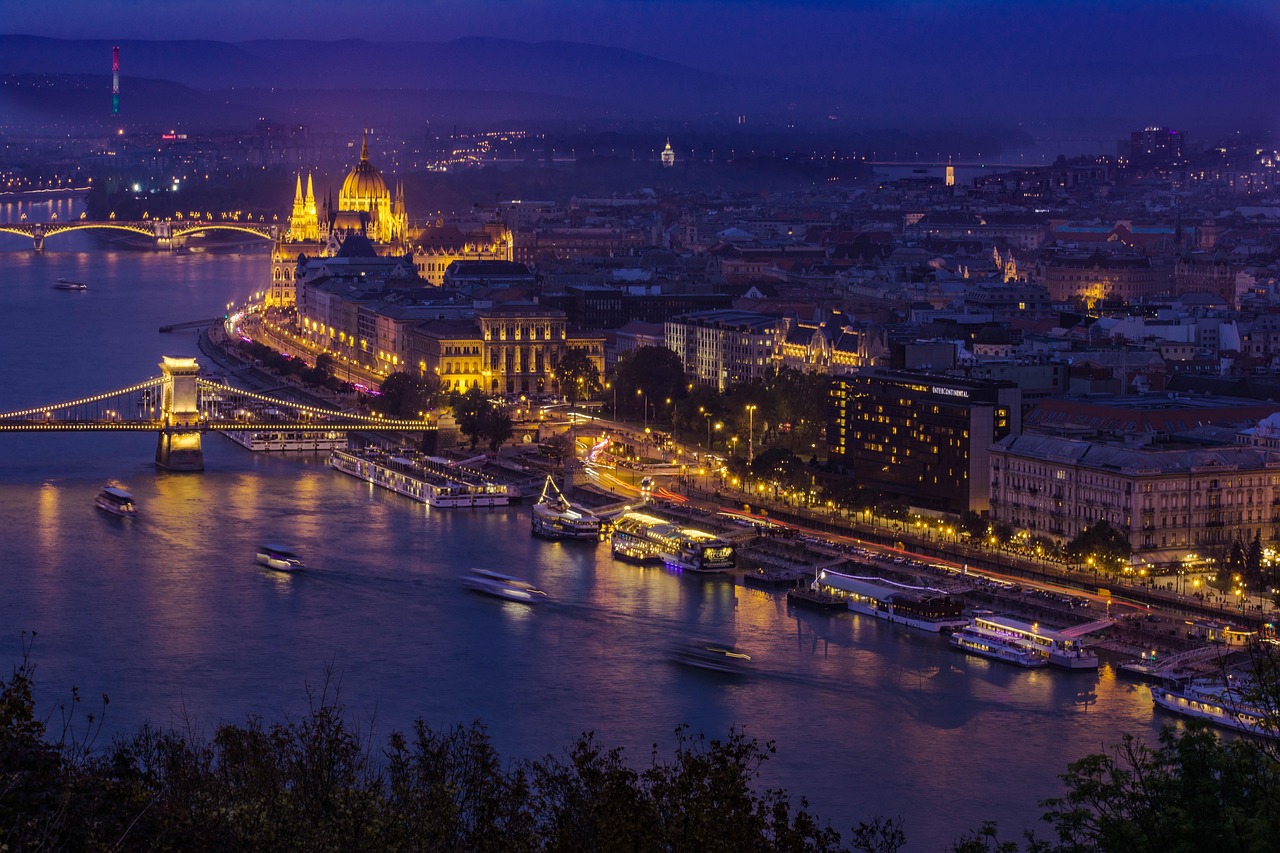
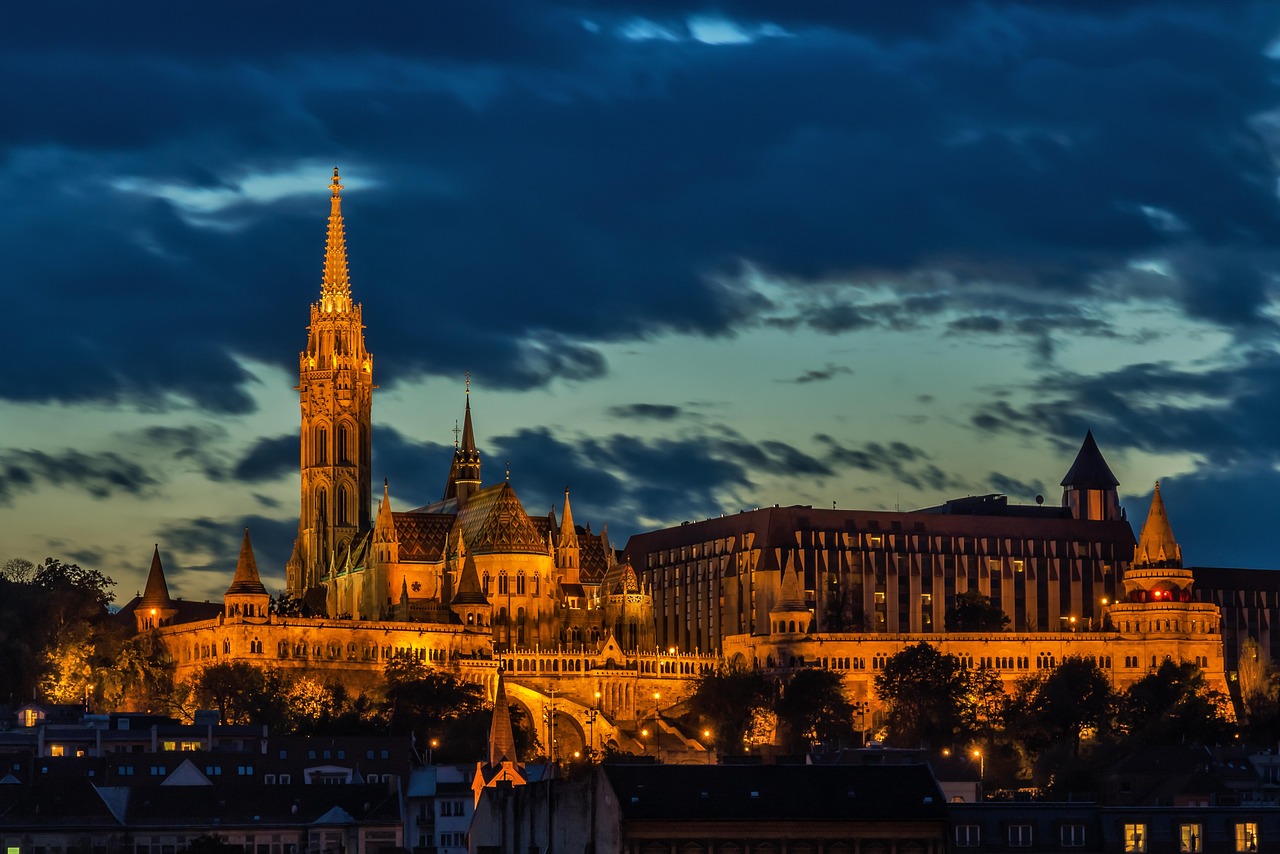
The illuminated Parliament, the Chain Bridge lit up in white, Buda Castle glowing on the hill — the whole experience feels almost cinematic. Bring a camera with a decent low-light mode and you will get some incredible photos.
3. Budapest Danube Cruise With Drink and Audio Guide — $24

This is the one I personally prefer for a first-time visit. At $24, it is a step up in price, but the included drink and audio guide make it worth the extra cost. The audio guide is available in multiple languages and covers the history of every major building and bridge you pass.
Without the audio guide, a lot of the architecture is just old building on the right, another old building on the left. With it, you learn why the Parliament has a dome that is exactly the same height as St. Stephen Basilica (it was intentional — symbolizing the equal importance of secular and spiritual power). Details like that stick with you.
The cruise has 1,000+ reviews and a 4.5-star average. It is a smaller operation than the first two options, which means the boats tend to be less crowded. If you value a quieter, more informative experience, this is the one to book.
4. Best of Budapest Cruise — $14

At $14, this is the most affordable sightseeing cruise on the Danube. It covers the same essential route as the pricier options — Parliament, Chain Bridge, Buda Castle, the whole stretch. The difference is in the extras: there is no included drink or audio guide, but you get the same views.
With 1,700+ reviews and a 4.2-star average, it is a perfectly solid option if you just want to get out on the water without spending much. The slightly lower rating mostly comes from the no-frills nature of the experience — if you go in with the right expectations (a budget cruise, not a luxury experience), you will be happy with it.
This is a good pick if you are saving your money for a dinner cruise later in the trip, or if you simply want a quick, cheap way to see the landmarks from the water.
When to Visit: Best Time for a Danube Sightseeing Cruise
Best months: April through October is the main season. The weather is warm enough to enjoy the open upper deck, and the days are long enough that you can do a late afternoon cruise and still catch sunset.
Best time of day: This depends on what you want. Daytime cruises (10am to 2pm) give you the clearest views and the best light for photos. Late afternoon cruises (3pm to 5pm) catch the golden hour light that makes the Parliament glow. Evening cruises (after 7pm in summer, after 5pm in winter) are all about the illuminated skyline.
Peak season warning: July and August are the busiest months. Cruises fill up faster, boats are more crowded, and the heat can be intense on the open deck. If you visit during peak summer, book evening cruises — they are more comfortable temperature-wise and the views are arguably better anyway.
Off-season bonus: November through March cruises are less crowded and often discounted. The trade-off is colder weather and shorter days. But Budapest in winter has its own magic, and a heated lower-deck seat with panoramic windows is perfectly comfortable. December cruises with the city Christmas lights are particularly special.
How to Get to the Danube Cruise Departure Points
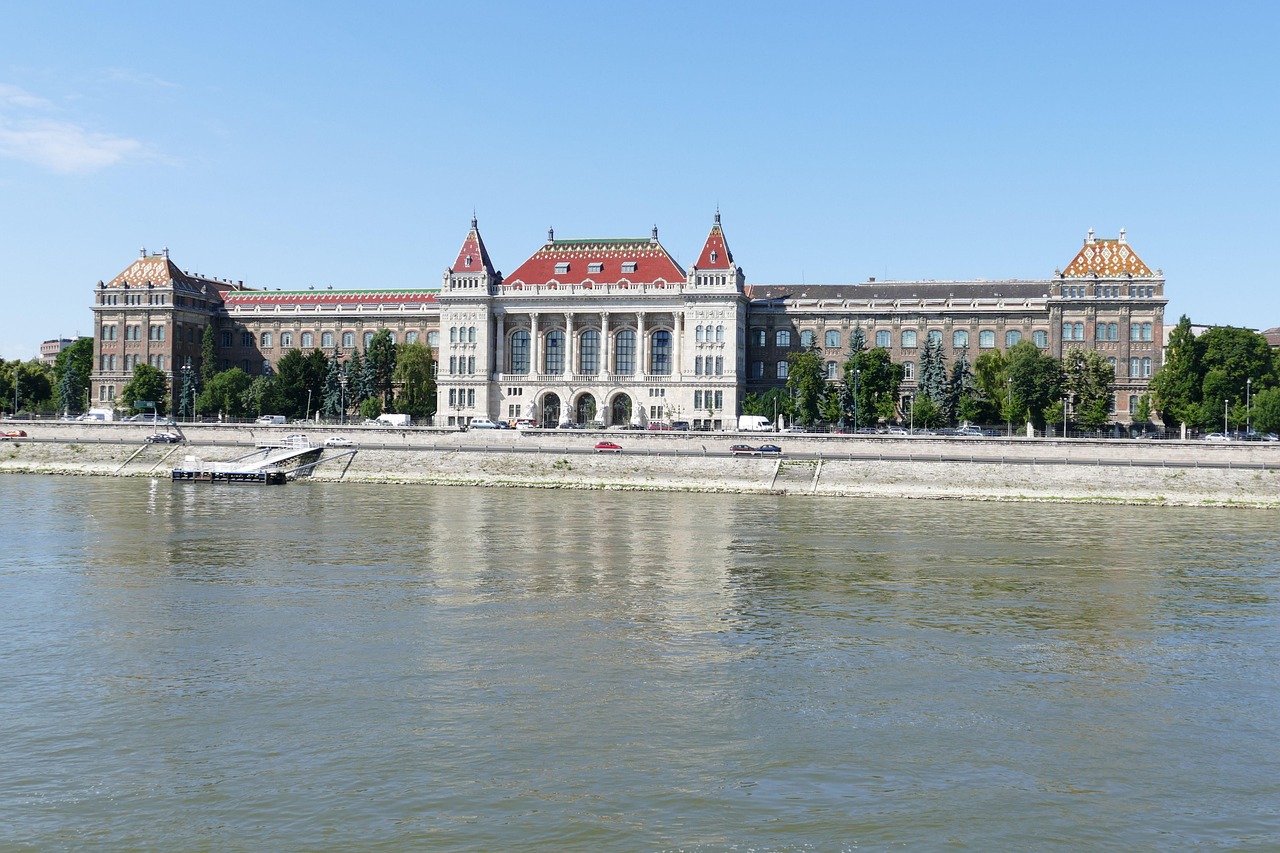
Most sightseeing cruises depart from piers on the Pest side of the river, concentrated between Margaret Bridge and Elizabeth Bridge.
By metro: The M2 line (red) stops at Kossuth Lajos ter, which is right next to the Parliament and a 3-minute walk to Dock 7 — the most common departure point. Alternatively, the M1 line (yellow) to Vorosmarty ter puts you near Vigado Square, another major departure area.
By tram: Tram 2 runs along the entire Pest embankment and stops at virtually every cruise departure point. It is one of the most scenic tram rides in Europe in its own right. Get off at the stop that matches your pier — it is always listed on your booking confirmation.
On foot: If you are staying anywhere in central Pest, the departure piers are likely within walking distance. From Vaci Street, it is about a 10-minute walk to the river. From the Jewish Quarter, figure 15 to 20 minutes.
By taxi or rideshare: A Bolt ride from most central locations to the cruise piers will cost around $3-5. Tell the driver the specific dock number, not just the river — the embankment is long and being dropped at the wrong spot means a 15-minute walk.
Tips That Will Save You Time (and Get Better Photos)
Arrive 15 minutes early. Not because boarding is slow, but because the best upper-deck seats go fast. Front-right or front-left gives you unobstructed views for photos. If you show up last minute, you are stuck in the middle with heads and phones blocking your shots.
Upper deck, always. Unless it is actively raining or below freezing, the upper deck is the only place to sit. The enclosed lower deck has windows, but they reflect, they are sometimes smudged, and you lose the feeling of being on the river.
Right side heading south, left side heading north. If you want Parliament views on the outbound leg, sit on the right side (facing the direction of travel). On the return, switch to the left. Most people do not think about this and miss half the good angles.
Sunset cruise timing matters. Check what time sunset is on your travel date and book the departure that starts about 30 to 45 minutes before. You want to be on the water when the light changes — that golden-to-blue transition is what makes the photos special.
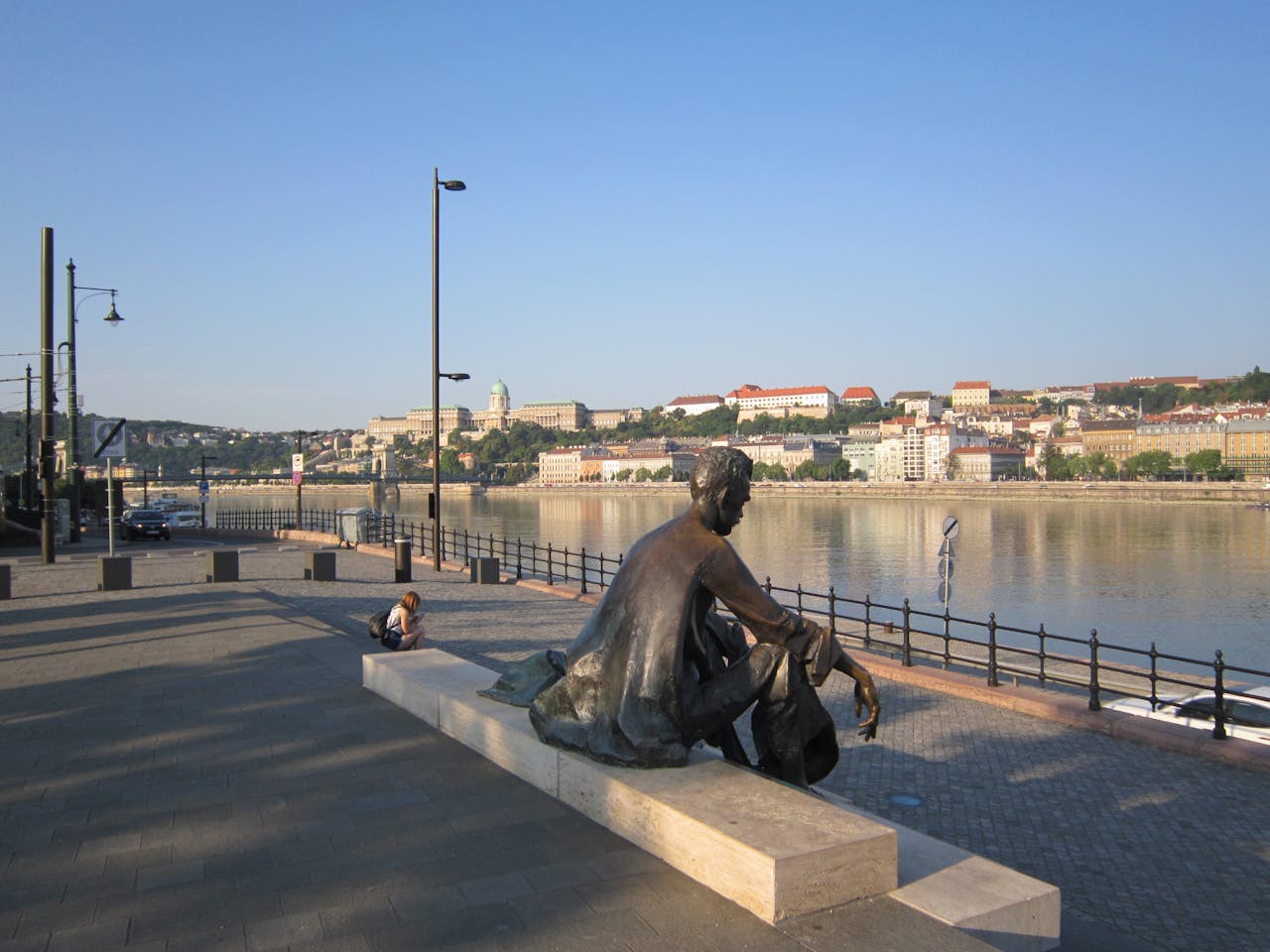
Bring a light jacket. Even in July, the wind on the river can drop the temperature by 5-10 degrees compared to the streets. I have seen people in t-shirts shivering 20 minutes into a cruise because they did not expect the breeze.
Skip the on-board drinks if they are not included. Bar prices on the boat are marked up. If your cruise does not include a drink, grab a coffee or a beer from a nearby shop before boarding and bring it with you — nobody checks.
What You Will Actually See on the Cruise
Every sightseeing cruise covers roughly the same stretch of the Danube, and it is a genuinely impressive lineup of landmarks.
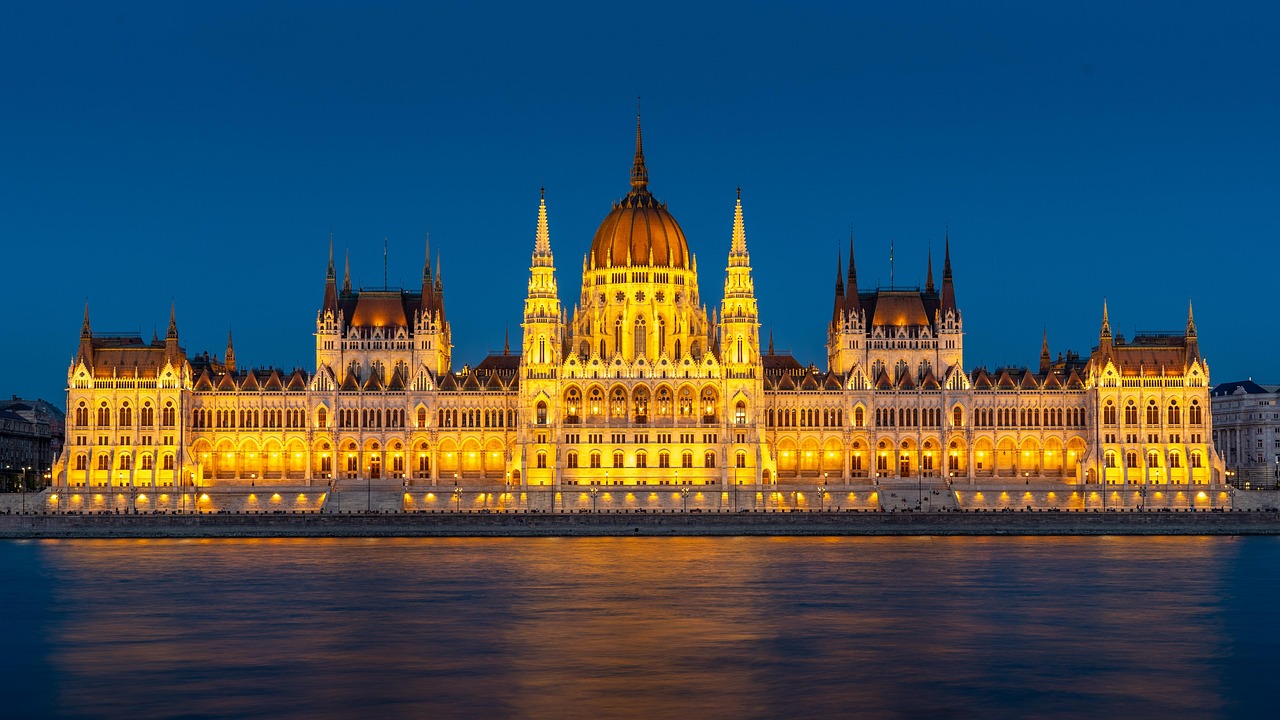
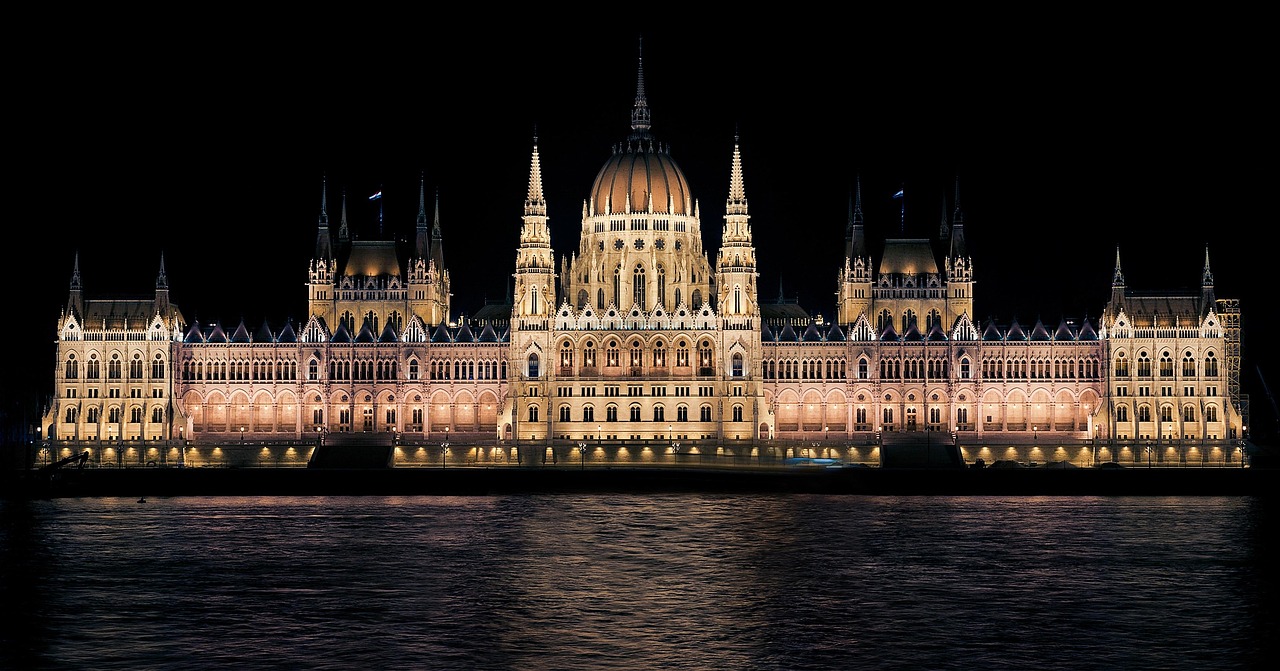
Hungarian Parliament Building — The third-largest parliament building in the world, and it looks it. The Gothic Revival facade has 691 rooms and the exterior is covered in nearly a quarter million turrets and details. From the river, you get the best possible angle on the entire structure.
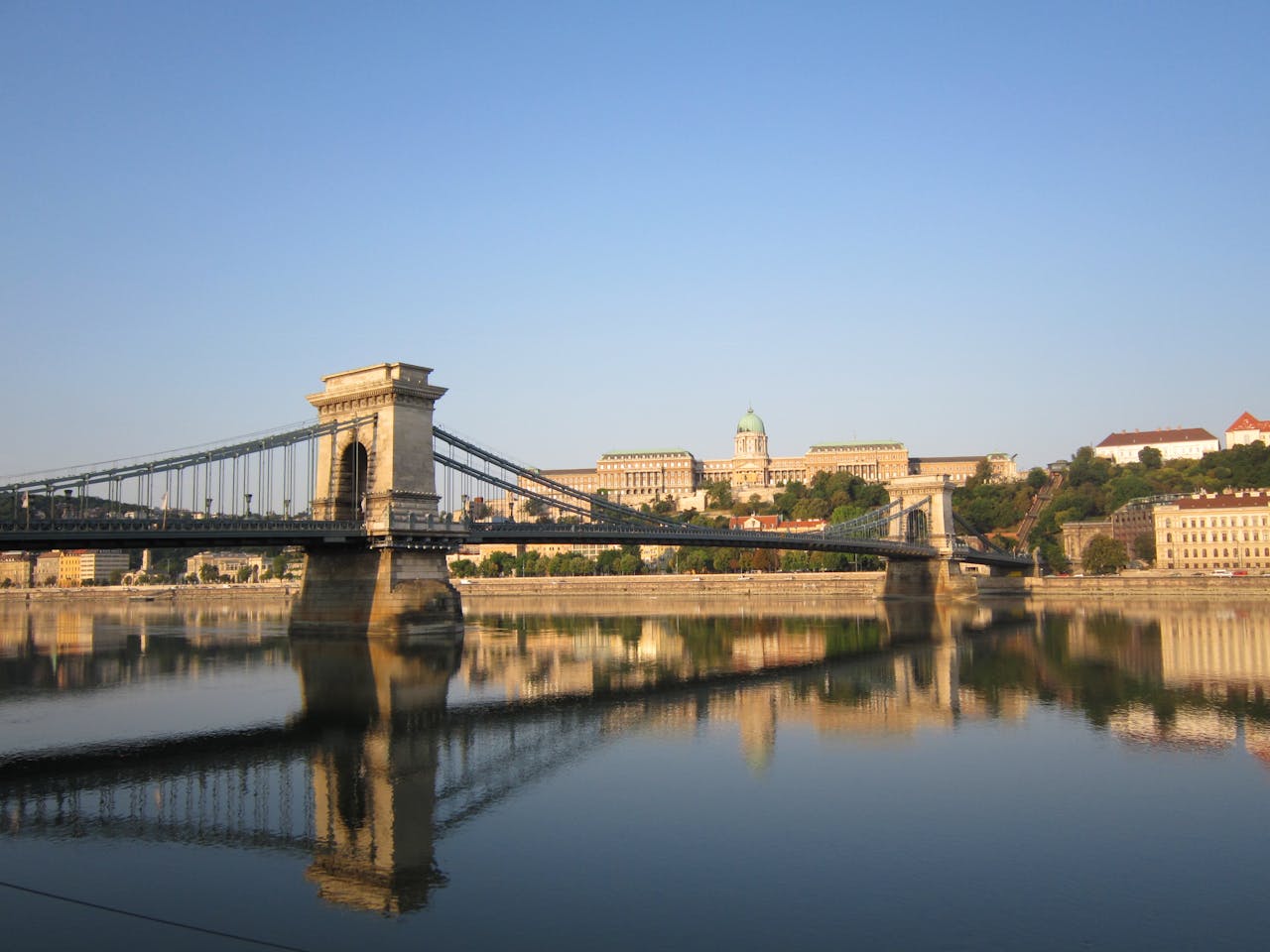
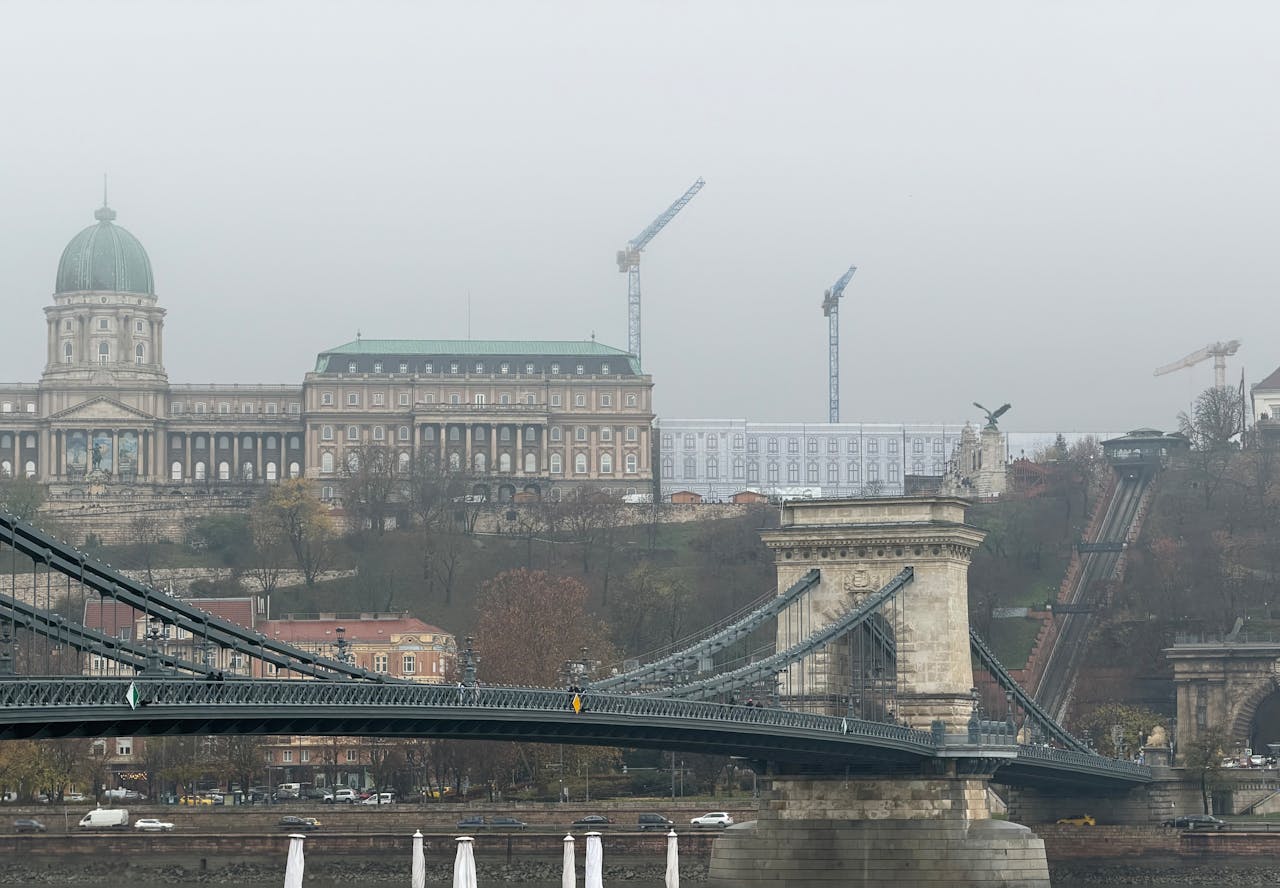
Chain Bridge (Szechenyi Lanchid) — The first permanent bridge connecting Buda and Pest, opened in 1849. Every cruise goes under it, and it is one of those moments where everyone on the boat goes quiet for a second. After its recent renovation, the stonework and lion statues look brand new.
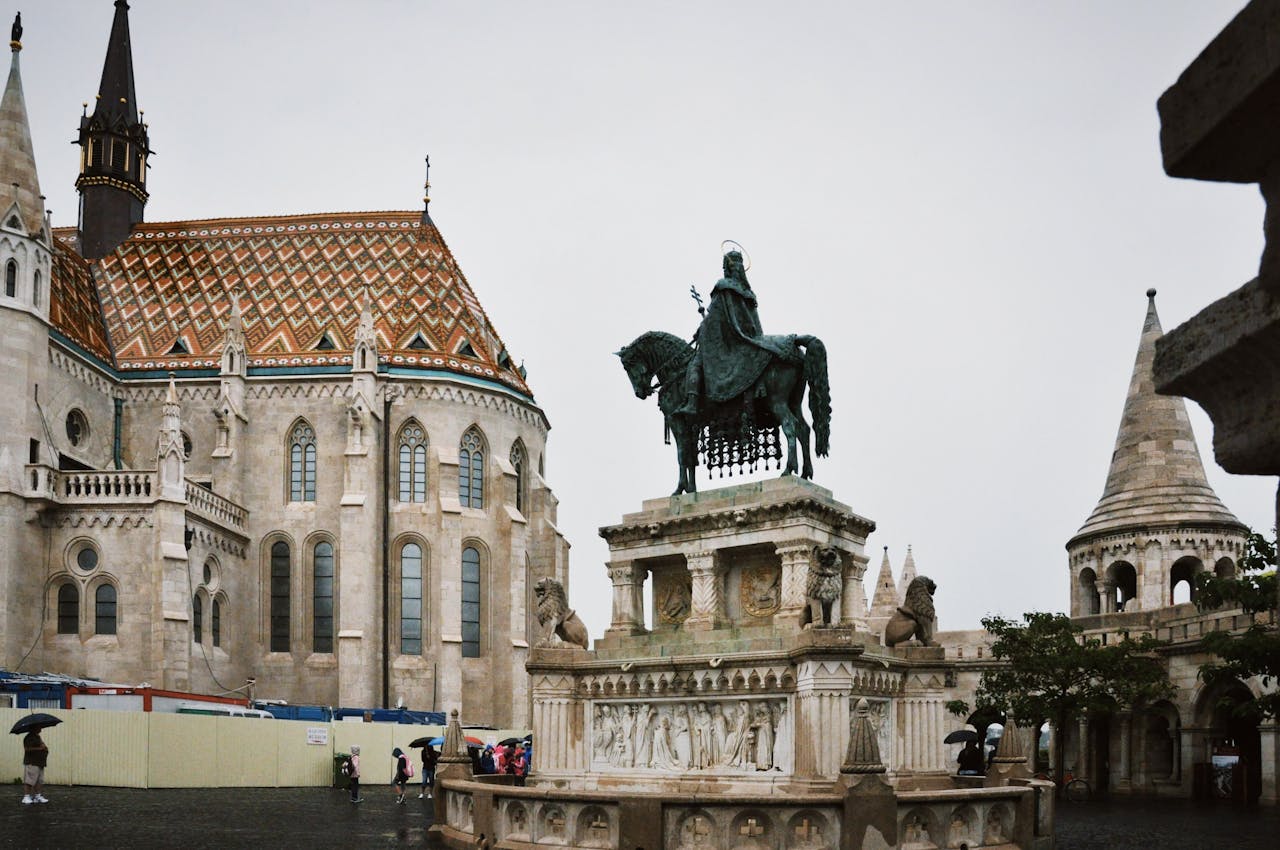
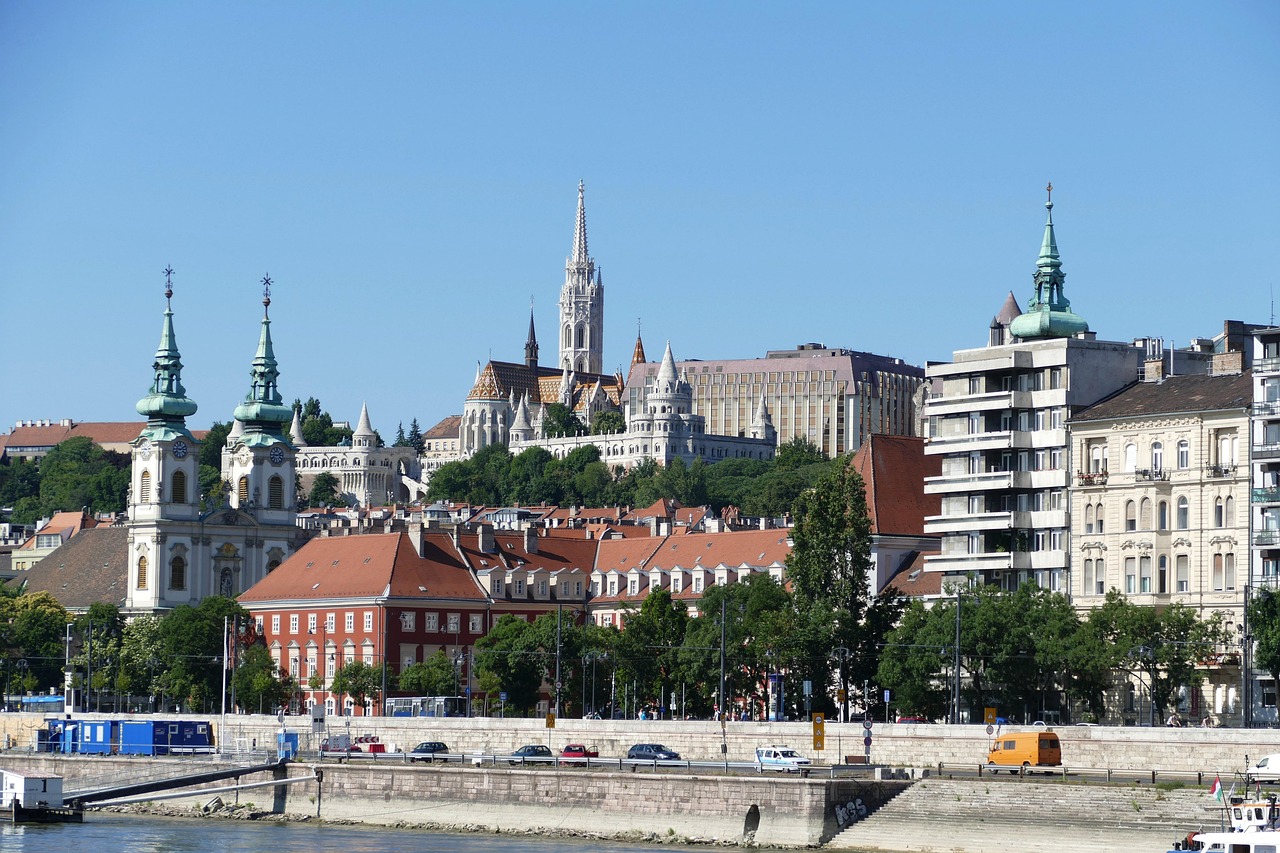
Buda Castle — Sitting high on Castle Hill, the Royal Palace dominates the Buda skyline. From the river, you get a perspective that you simply cannot replicate from anywhere on land. The funicular railway running up the hillside is visible too.
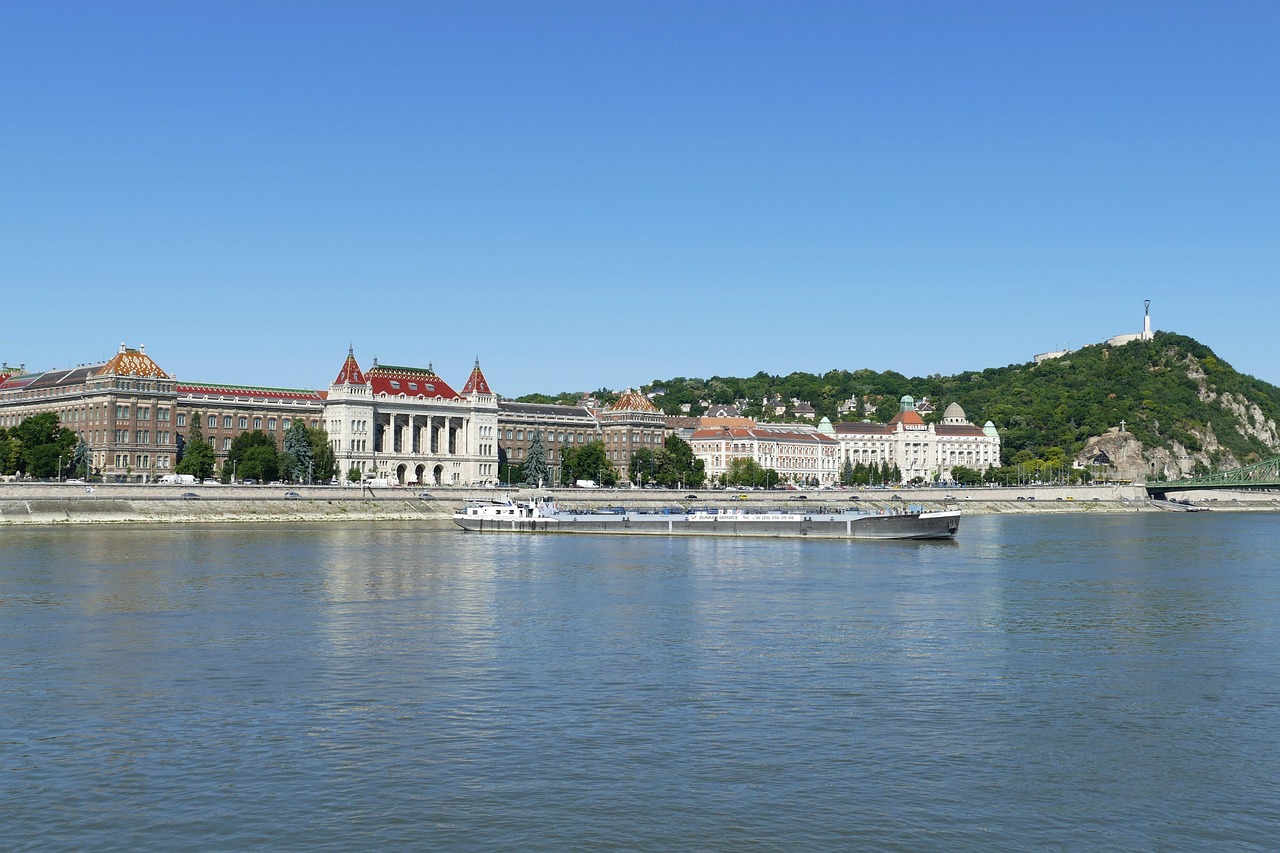
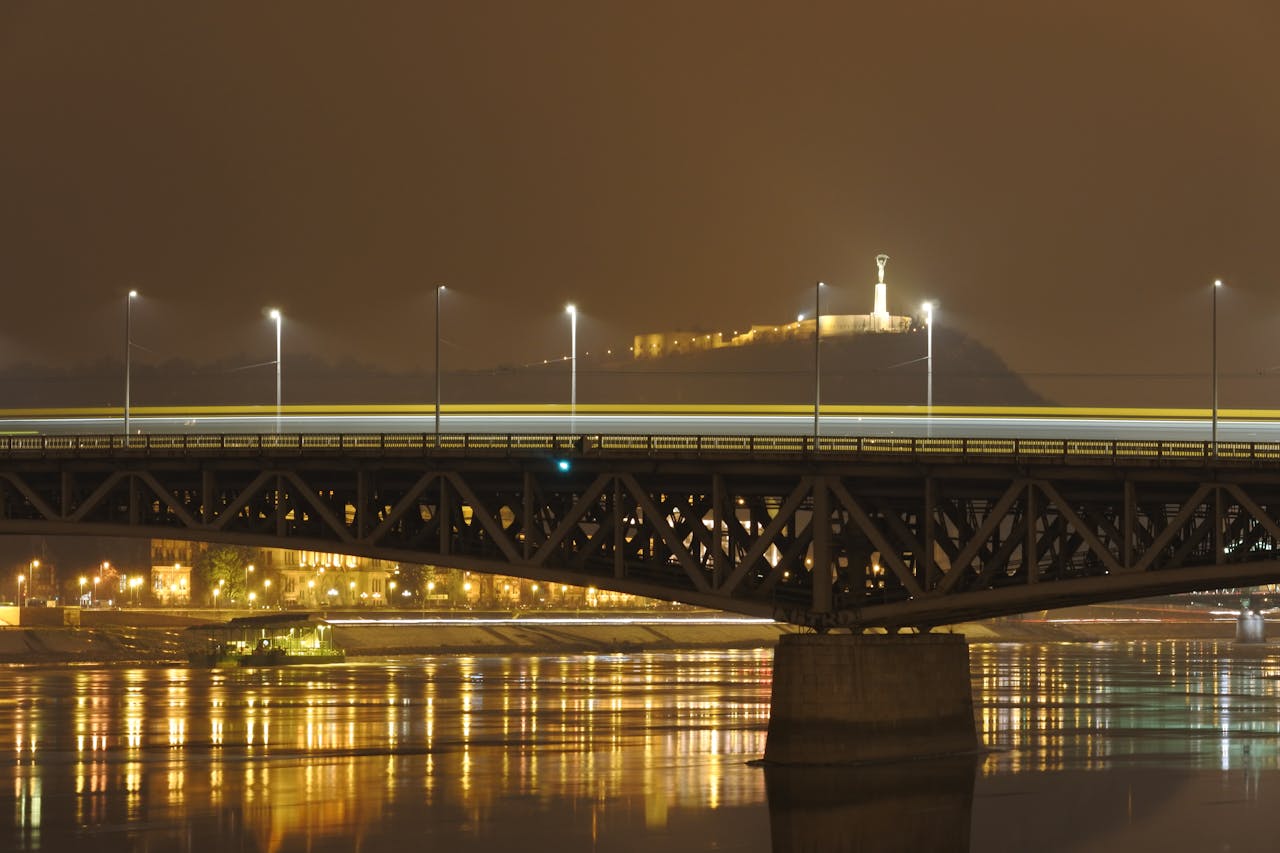
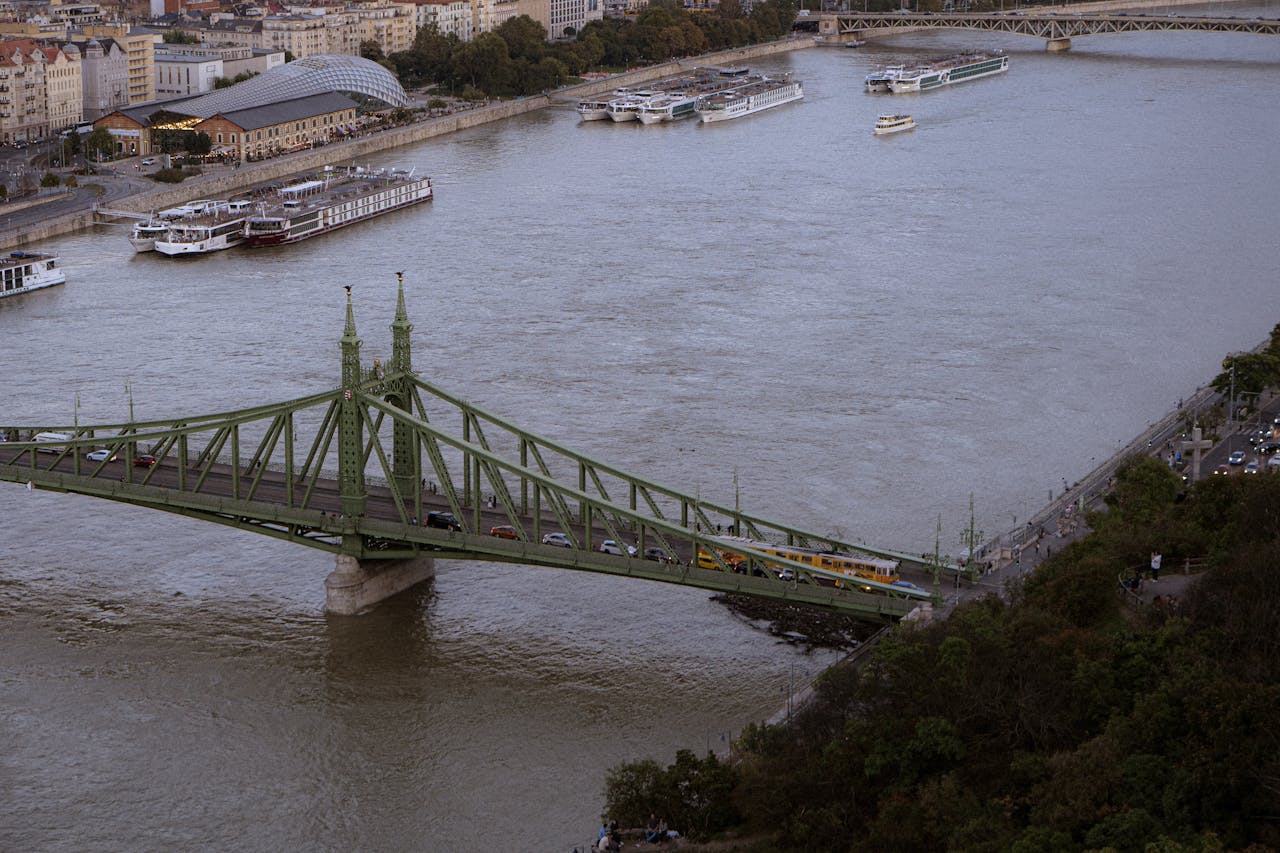
Gellert Hill and the Citadella — The hill with the Liberty Statue on top marks the southern end of most cruise routes. The Citadella fortress at the summit was built by the Habsburgs in the 1850s, and the whole hillside is a dramatic backdrop, especially at sunset.
Margaret Island — Some cruises pass the southern tip of Margaret Island, a 2.5-kilometer-long park in the middle of the Danube. If your cruise goes this far north, you will see the musical fountain and the water tower from a unique angle.
Shoes on the Danube Bank — Look for 60 pairs of iron shoes along the Pest embankment between the Chain Bridge and the Parliament. This memorial to victims of World War II is visible from the river and is easy to miss on foot if you do not know where to look.
More Budapest Guides
A sightseeing cruise is a perfect introduction to Budapest, but the city has so much more to offer once you step off the boat. If you are spending a few days in the city, I would strongly suggest combining your cruise with a visit to one of Budapest famous thermal baths — the Szechenyi Baths and Gellert Baths are both within easy reach of the cruise departure points, and soaking in thermal water after an afternoon on the river is one of the best ways to end a day in Budapest.
The city food scene is another highlight worth exploring. Budapest food tours take you through the Great Market Hall and into local neighborhoods where you can try langos, chimney cake, and hearty goulash prepared the traditional way. If you prefer something with a glass in hand, the wine tasting experiences in Budapest historic cellars are excellent — Hungarian wine rarely gets the credit it deserves internationally, and a tasting tour is the perfect way to discover it.
For nightlife, Budapest famous ruin bars are unlike anything else in Europe. Built in abandoned buildings and courtyards in the Jewish Quarter, they are worth at least one evening of your trip. And if you want to get out of the city for a day, the Danube Bend day trip to Visegrad, Esztergom, and Szentendre shows you a completely different side of Hungary — small riverside towns with hilltop castles and medieval streets that feel like stepping back in time.
This article contains affiliate links. If you book a tour through one of these links, I earn a small commission at no extra cost to you. This helps support the site and allows me to keep writing these guides. I only recommend tours I have personally taken or thoroughly researched.