
I was standing in the Central Market Hall in Budapest watching a woman in her seventies hand-roll pasta at a speed that would make a professional chef nervous. She had a mountain of flour, a bowl of eggs, and a wooden board that had clearly been in her family for decades. Our guide leaned over and whispered that she had been doing this every morning since 1987. The pasta — which we got to taste minutes later — was the best I have ever eaten, and I grew up with an Italian grandmother.
That moment is exactly why food tours in Budapest exist. You can eat your way through the tourist restaurants on Vaci Street and leave thinking Hungarian food is decent. Or you can join a guide who knows where the real cooking happens, and leave understanding why Budapest has quietly become one of Europe’s most exciting food cities.
Hungarian cuisine does not get the international attention it deserves. While Italian and French food dominate every food conversation, Hungary has a culinary tradition that is just as old and arguably more complex — built on paprika, slow-cooked meats, foie gras (Hungary is one of the world’s largest producers), and pastries that rival anything in Vienna. A good food tour or cooking class is the fastest way to understand all of this.
I’ve done three different food tours and one cooking class across my visits to Budapest, and the quality gap between a great tour and an average one is enormous. This guide breaks down exactly how food tours and cooking classes work in Budapest, which ones are worth booking, and how to get the most out of the experience.
If You’re in a Hurry
These are my top picks for Budapest food experiences:
- Budapest Walking Food Tour With Secret Food Tours — $119. The most comprehensive food tour in Budapest with 810 reviews and a perfect 5.0-star rating. Covers history, culture, and more food than you can handle.
- Budapest Food Tour: Eat, Sip & Explore Like a Local — $65. Best value food tour. Great local guides, good variety of foods and drinks included.
- Hungarian Cooking Class and Market Walk — $99. If you want to learn how to cook Hungarian food yourself. Market visit plus hands-on cooking class with a perfect 5.0-star rating.
- If You’re in a Hurry
- How Food Tours and Cooking Classes Work in Budapest
- Self-Guided Food Crawl vs Guided Food Tours
- Best Food Tours and Cooking Classes to Book
- 1. Budapest Walking Food Tour With Secret Food Tours — 9
- 2. Budapest Food Tour: Eat, Sip & Explore Like a Local —
- 3. Hungarian Cooking Class and Market Walk —
- 4. Budapest Guided Food Tour with Drinks Included —
- When to Take a Food Tour in Budapest
- How to Get to the Main Food Tour Starting Points
- Tips for Budapest Food Tours and Cooking Classes
- What You’ll Experience on a Budapest Food Tour
- More Budapest Guides
How Food Tours and Cooking Classes Work in Budapest
Food tours in Budapest are walking tours with eating. You meet your guide at a central location — usually near the Central Market Hall or Deak Ferenc Square — and spend 3-4 hours walking through different neighborhoods, stopping at restaurants, bakeries, market stalls, and sometimes private homes to taste traditional Hungarian foods.
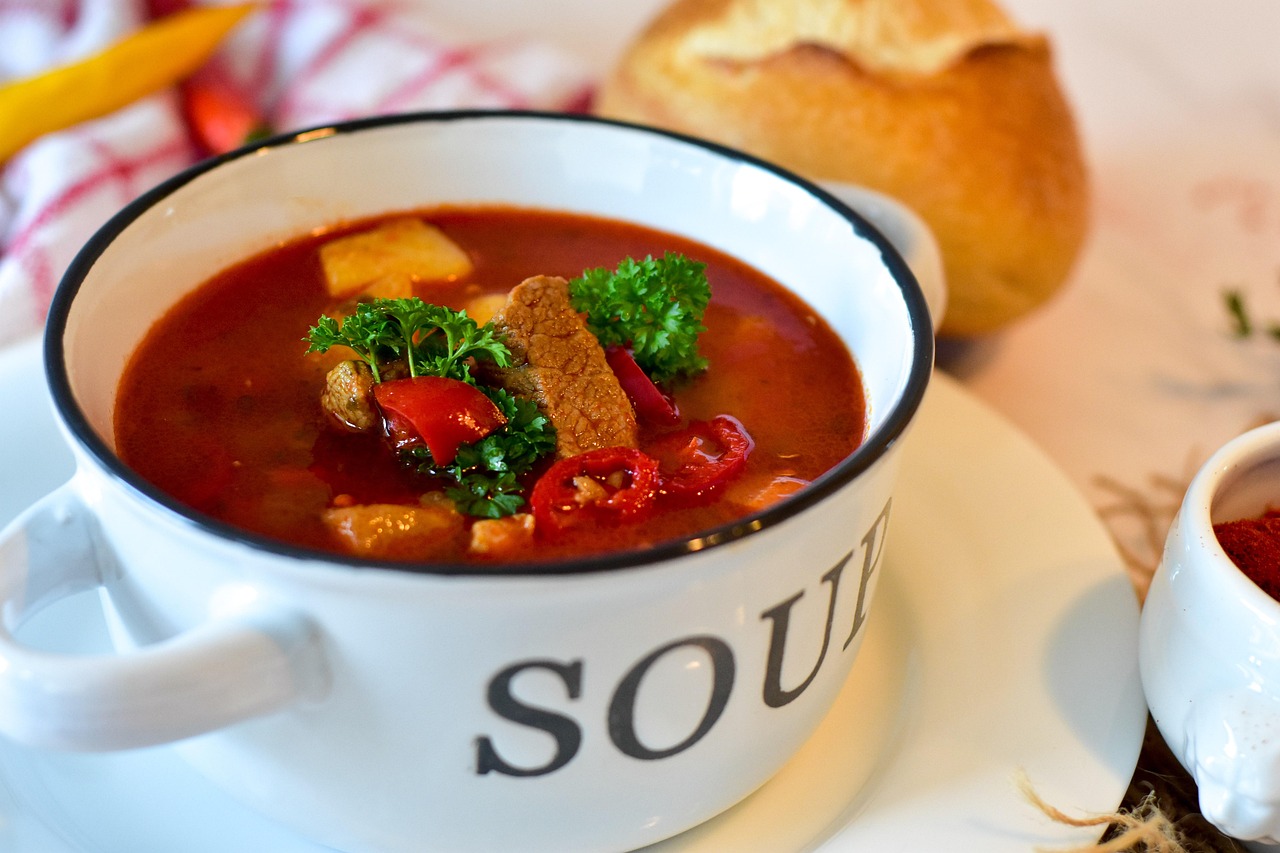
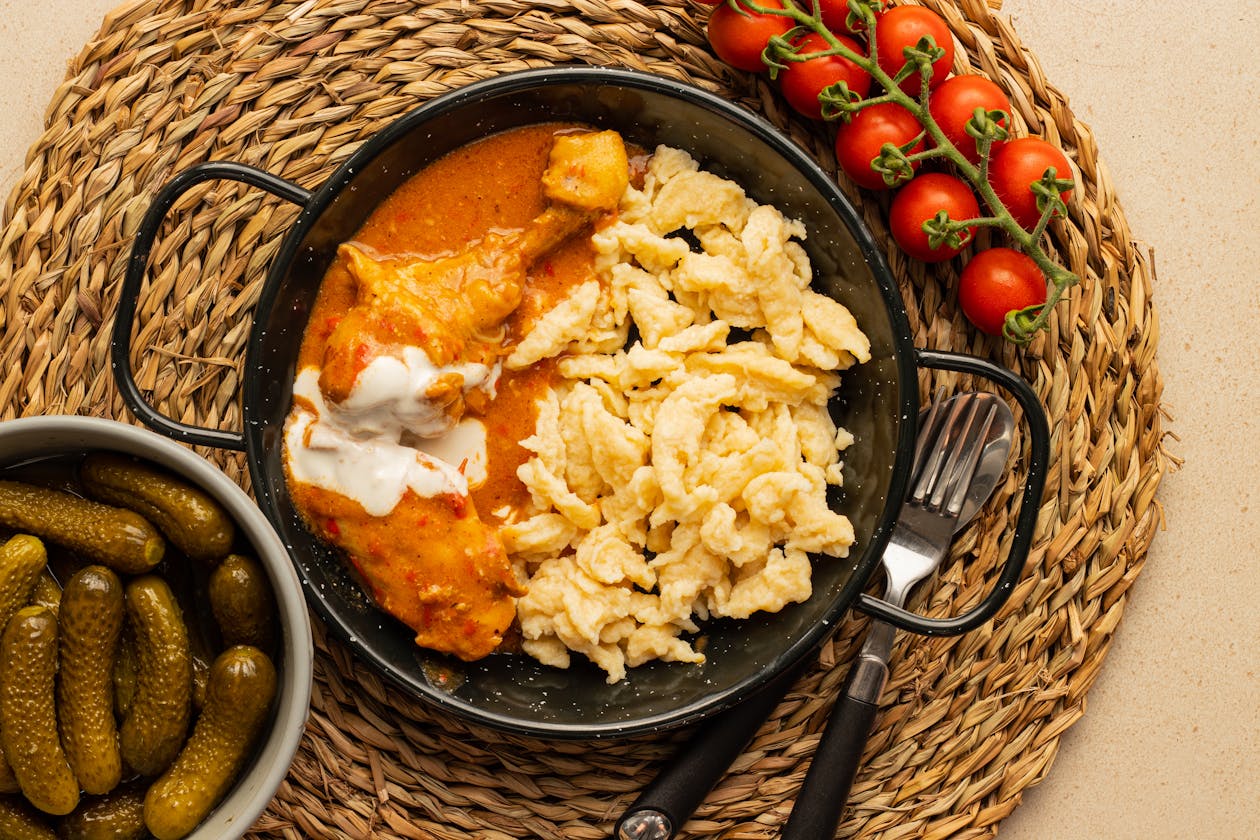
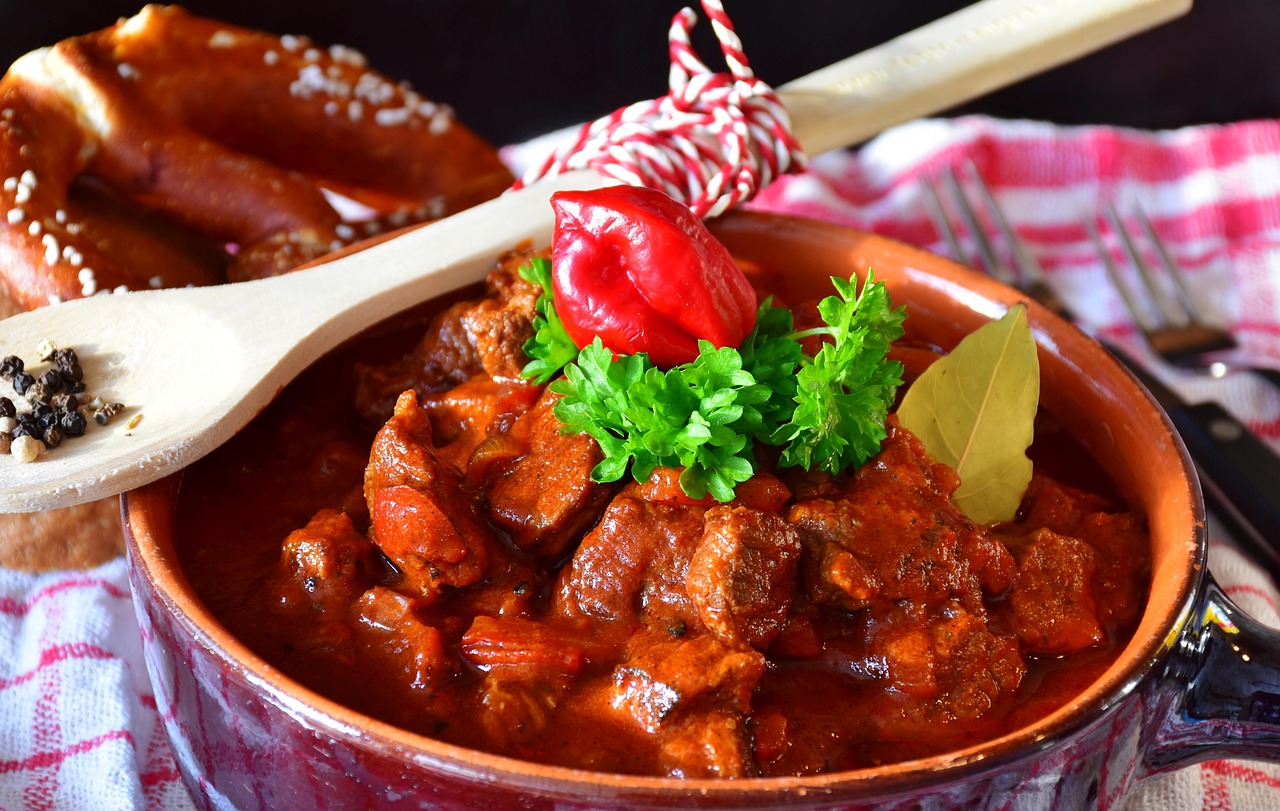
Most tours include 8-12 food tastings and 3-5 drinks (usually wine, palinka — Hungary’s fiery fruit brandy — and sometimes craft beer). The food is typically enough to replace a full meal, so don’t eat lunch before an afternoon tour. Common dishes you’ll encounter include goulash soup, chicken paprikash, langos (deep-fried dough topped with sour cream and cheese), chimney cake, Hungarian sausage, foie gras, and strudel.
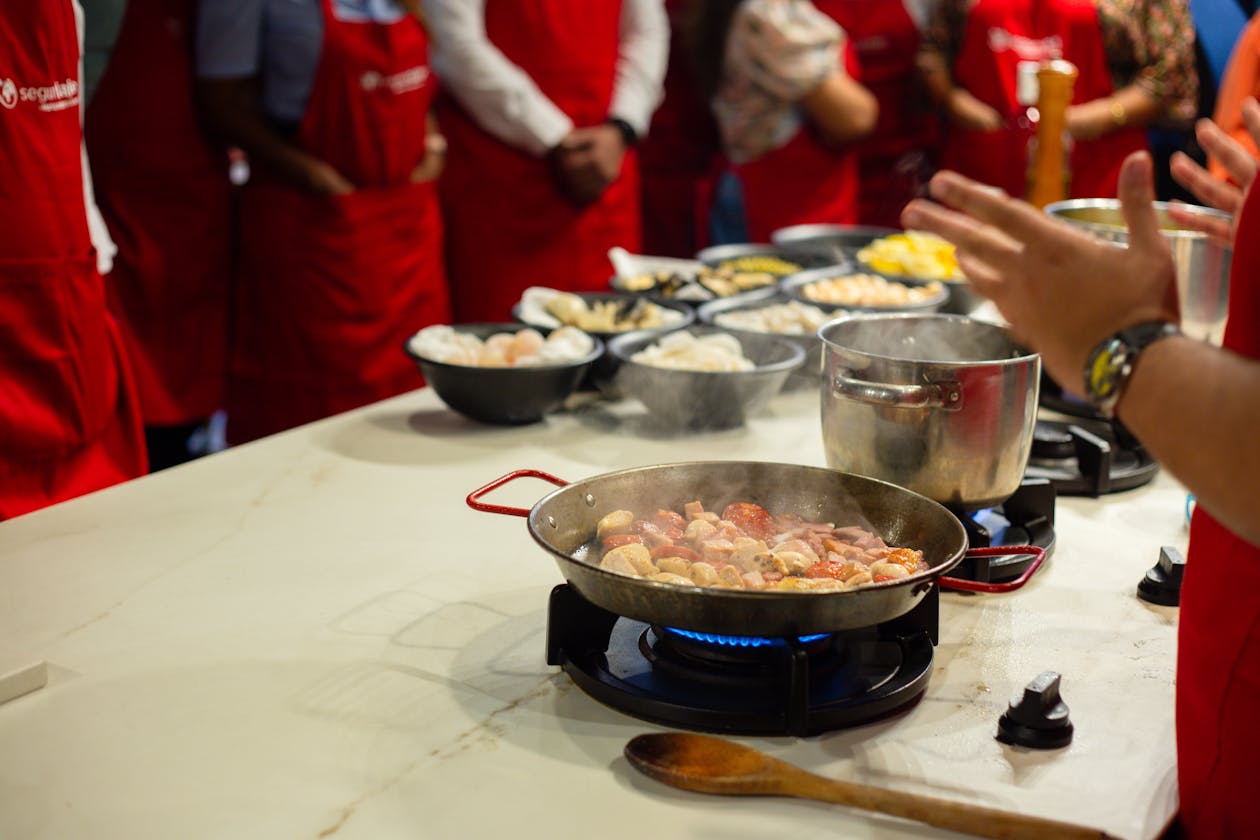
Cooking classes are a different format. They usually start with a visit to the Central Market to buy ingredients, followed by 2-3 hours in a kitchen where you learn to make traditional Hungarian dishes from scratch. You eat everything you cook, and most classes include wine pairings. Groups are typically small (8-15 people), which means personalized instruction.
All tours and classes run rain or shine. Most have a maximum group size of 12-15 people, though the premium options cap at 8-10. Tours operate in English (some offer other languages by request). Booking in advance is strongly recommended — popular tours sell out days ahead, especially in summer and around holidays.
Self-Guided Food Crawl vs Guided Food Tours
Can you do a food tour on your own? Technically, yes. The Central Market Hall is open to everyone, and you can walk in and eat langos on the upper floor without any guide. Vaci Street and the Jewish Quarter both have plenty of restaurants serving Hungarian food.
But here’s what you miss without a guide. First, the context. A good guide doesn’t just take you to eat — they explain why Hungarian cuisine developed the way it did, what the Ottoman influence means for the food, why paprika only became the national spice in the 1800s despite what everyone assumes. The food tastes better when you understand its story.
Second, the access. The best food tour operators have relationships with small family-run restaurants, bakeries, and producers that don’t have English menus and don’t advertise to travelers. On my Secret Food Tour, we went to a basement restaurant that I walked past three times during my trip without noticing. The goulash there was the best I had in Budapest.
Third, the value. When you add up the cost of 8-12 food tastings plus drinks plus 3-4 hours of a knowledgeable guide’s time, the tour prices ($65-119) are actually quite reasonable. Trying to replicate the experience independently would cost roughly the same in food alone, without the expertise.
My recommendation: do a guided food tour on your first or second day to get oriented, then use what you learn to explore on your own for the rest of your trip. You’ll know which dishes to order, which neighborhoods to explore, and which tourist traps to avoid.
Best Food Tours and Cooking Classes to Book
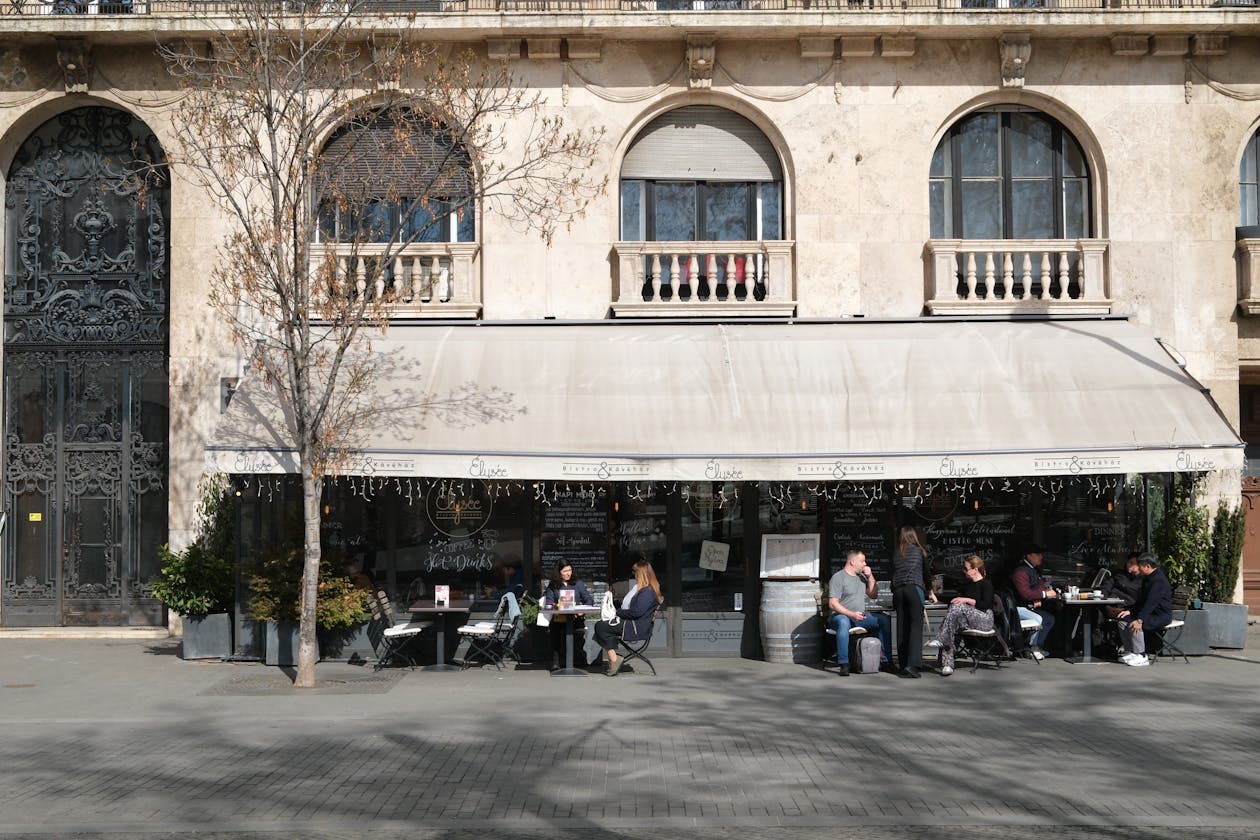
1. Budapest Walking Food Tour With Secret Food Tours — $119
This is the gold standard of Budapest food tours. Secret Food Tours has operations in cities around the world, and their Budapest tour is one of the highest rated. With 810 reviews and a perfect 5.0-star rating, this is not a case of low volume inflating the numbers — this is consistent, across-the-board excellence.
The tour runs about 4 hours and covers a significant amount of ground. You’ll visit the Central Market Hall, the Jewish Quarter, and several hidden restaurants that you would never find on your own. Expect 10+ tastings including goulash, langos, chimney cake, Hungarian sausage, strudel, and palinka. The guides are all locals who are genuinely passionate about Hungarian food culture, and the tour mixes food stops with history and storytelling.
At $119, this is the most expensive option on this list but also the most comprehensive. If you’re only doing one food tour in Budapest, this is the one.
2. Budapest Food Tour: Eat, Sip & Explore Like a Local — $65
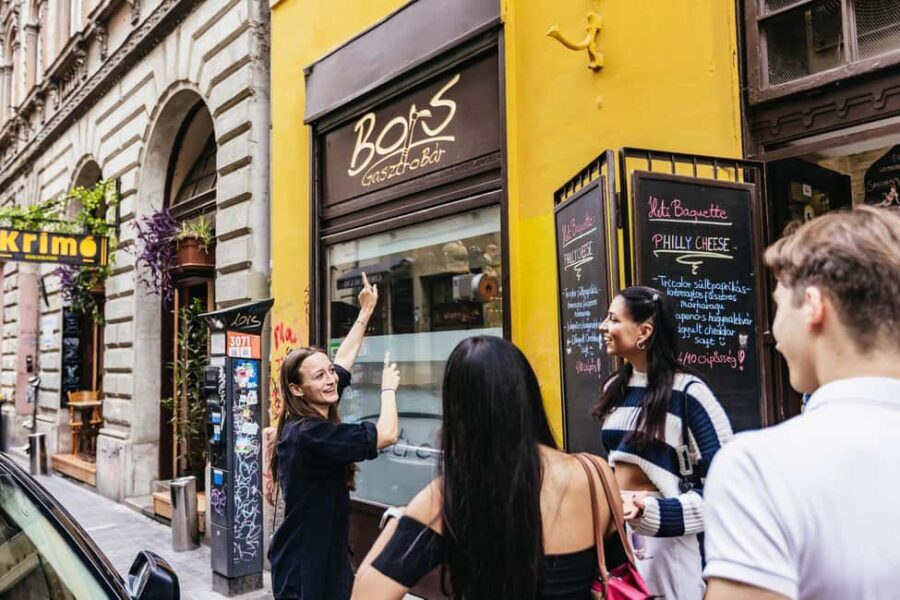
This is the best value food tour in Budapest, and it is not a compromise. At $65 with 727 reviews and a 4.8-star rating, this tour offers a genuine local experience led by guides who clearly love their city. The emphasis here is on eating where Budapestians actually eat, not where travelers congregate.
The tour covers a good mix of traditional and modern Hungarian food, with drinks included throughout. Guides like Laura (mentioned frequently in reviews) are knowledgeable, enthusiastic, and excellent at making a group of strangers feel like friends by the end. The smaller group size means more personal attention and more flexibility to adjust to dietary preferences.
If you’re watching your budget but still want a quality food tour, this is the one I’d pick.

3. Hungarian Cooking Class and Market Walk — $99

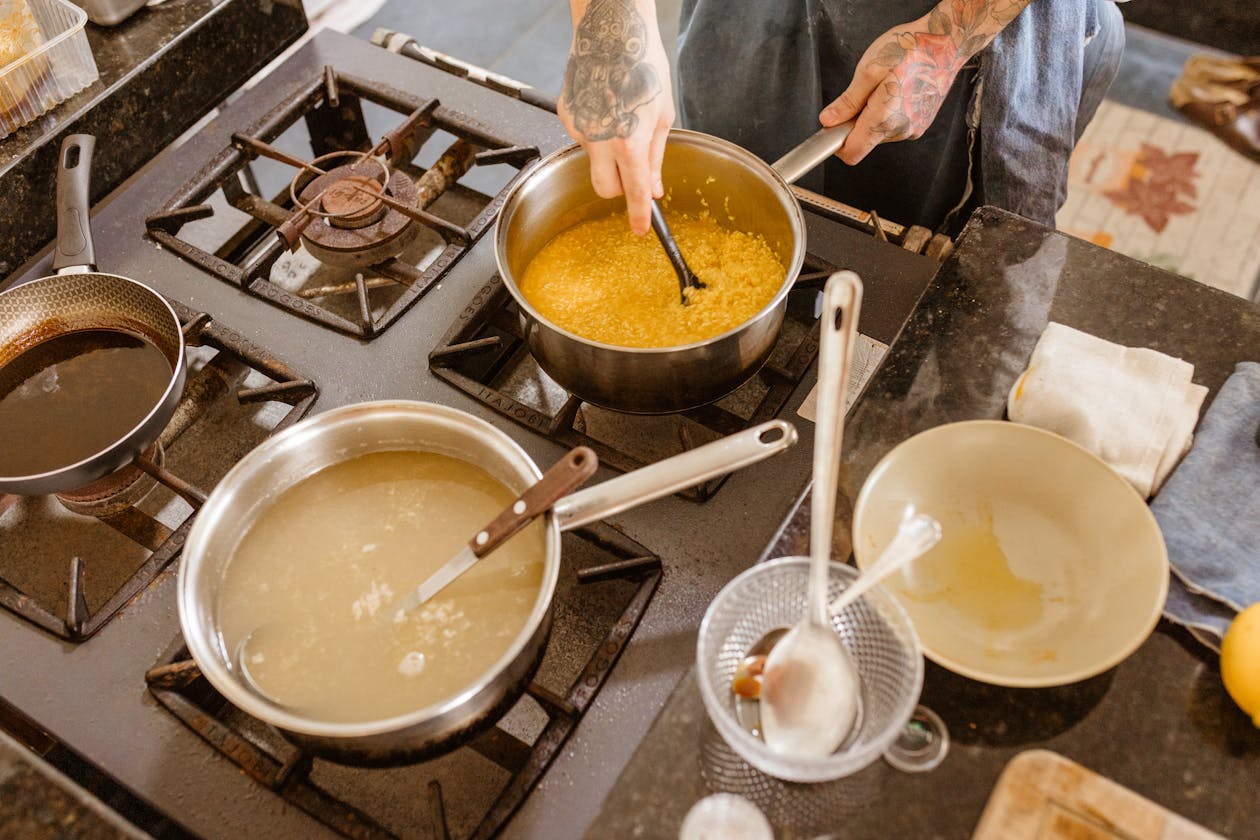
If you want to take Hungarian cuisine home with you — literally, in the form of recipes — this is the experience to book. Run by Foodapest, this cooking class starts with a guided walk through the Central Market Hall where you buy the ingredients you’ll be cooking with. Then you head to a kitchen for a hands-on class where you make a complete Hungarian meal.
With 553 reviews and a perfect 5.0-star rating, this is one of the highest-rated cooking classes in all of Europe. The instructors are warm, patient, and genuinely talented teachers. You’ll typically make 3-4 dishes including a main course, a side, and a dessert. The class includes wine and you eat everything you cook at the end.
At $99, this is outstanding value for what you get — a market tour, a cooking class, a full meal with wine, and recipes you can recreate at home. Several reviewers mentioned making new friends, which tells you something about the atmosphere.
4. Budapest Guided Food Tour with Drinks Included — $70
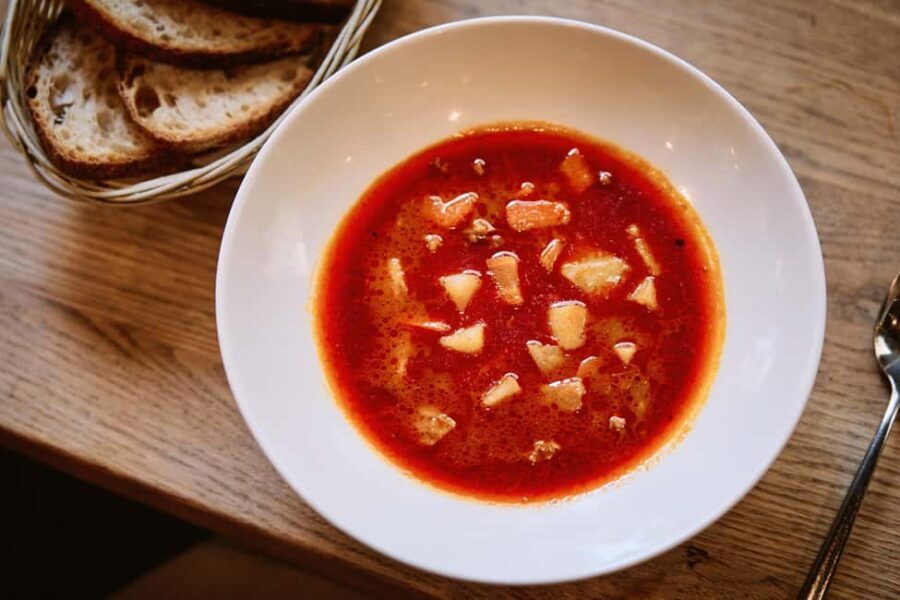
This is another excellent mid-range option that punches well above its price point. At $70 with 419 reviews and a 4.8-star rating, this tour includes everything you need — food tastings, drinks (including wine and palinka), and a guide who knows Budapest’s food scene inside out.
What sets this tour apart is the personal touch. Guides like Peter are consistently mentioned by name in reviews, described as welcoming, open-minded, and genuinely invested in making sure every guest has a great time. The tour covers a mix of classic Hungarian dishes and some modern twists, with enough variety to satisfy both adventurous and cautious eaters.
If the Secret Food Tour is sold out or above your budget, this is an excellent alternative that delivers a very similar experience at a lower price.
When to Take a Food Tour in Budapest
Food tours run year-round in Budapest, and the season significantly affects the experience.
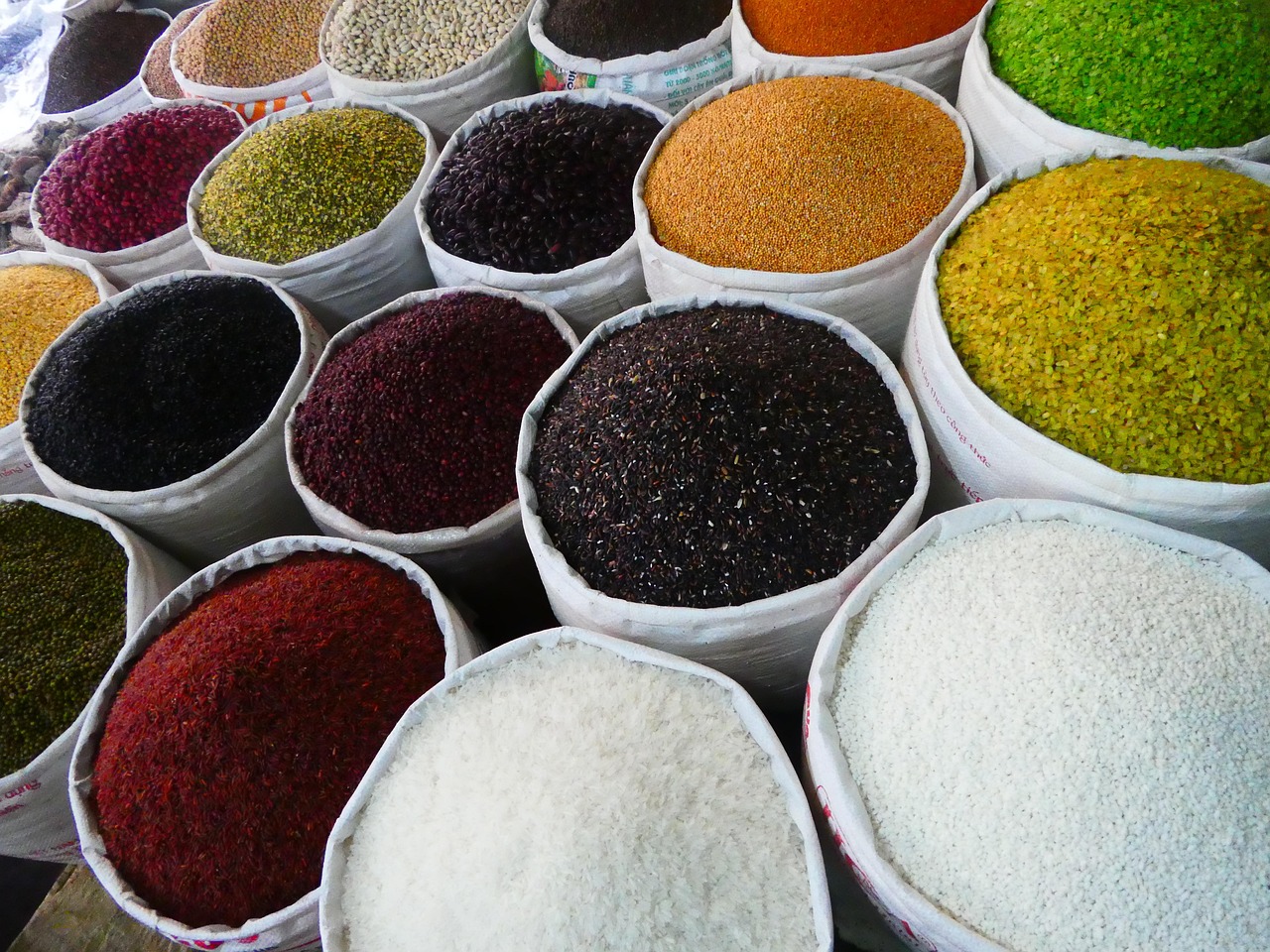
Spring and Autumn are ideal. The weather is comfortable for walking (food tours cover 3-5 km), outdoor terraces are open but not yet packed, and seasonal ingredients are at their best. April-May and September-October are the sweet spot.
Summer (June-August) brings the most travelers and the warmest temperatures. Afternoon tours can be hot, so morning tours or evening options are better. Book well in advance — popular tours sell out weeks ahead in July and August.
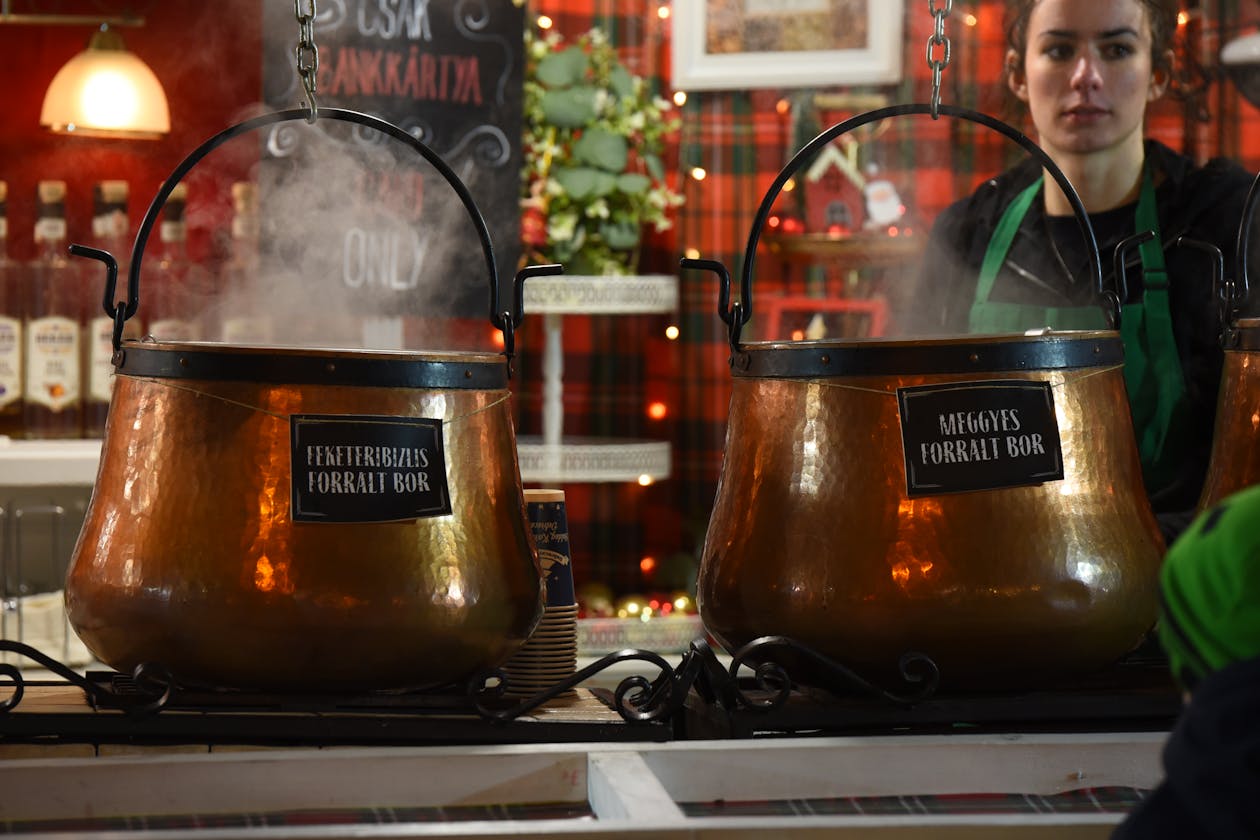
Winter (December-February) has a special charm. The Christmas markets add a whole layer of seasonal food — chimney cake, roasted chestnuts, mulled wine — and some tours offer special Christmas market editions. Walking in the cold also makes every warm food stop feel like salvation.
For cooking classes, time of year matters less since they’re mostly indoors. However, the market walk portion is best in the morning when the Central Market Hall is busiest and the produce is freshest. Most classes start at 10am or 11am for this reason.
Day of the week: The Central Market Hall is closed on Sundays and closes early on Saturdays. Tours that include a market visit should be booked Monday through Friday for the best experience. Some tours adjust their routes on weekends to skip the market and visit alternative food stops instead.
How to Get to the Main Food Tour Starting Points
Most food tours meet at one of two locations:
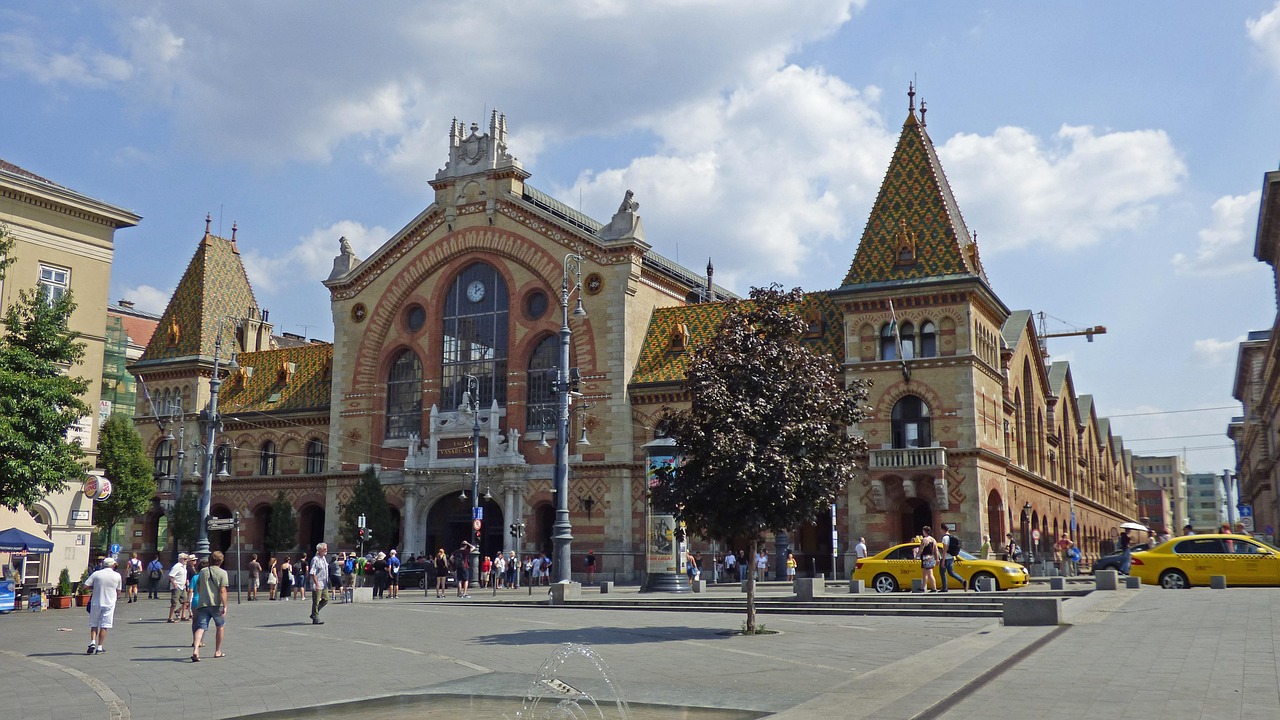
Central Market Hall (Nagycsarnok): Take tram 2 to Fovam ter or the M4 metro (green line) to Fovam ter station. The market is right at the Pest end of Liberty Bridge. It is a large, unmissable building with a colorful tiled roof.
Deak Ferenc Square: This is the main transport hub where all three metro lines intersect. Take the M1 (yellow), M2 (red), or M3 (blue) metro to Deak Ferenc ter. Several food tours start here because of its central location and easy access from any part of the city.
Jewish Quarter: Some tours start in the Jewish Quarter (District VII), near Szimpla Kert or the Dohany Street Synagogue. The easiest way to get here is the M2 metro to Astoria, then a 5-minute walk north.

Budapest’s public transport is excellent and affordable. A single ticket costs 450 HUF (about $1.25), or a 24-hour travel card costs 2,500 HUF ($7). All metro stations are well-signed in English.
Tips for Budapest Food Tours and Cooking Classes
Come hungry. This sounds obvious but you would be surprised how many people eat a full hotel breakfast and then struggle through the first few tastings. Skip breakfast or keep it very light. The food on these tours is the meal.
Wear comfortable walking shoes. Food tours cover 3-5 km over 3-4 hours, mostly on cobblestones. This is not the day for new shoes or heels.
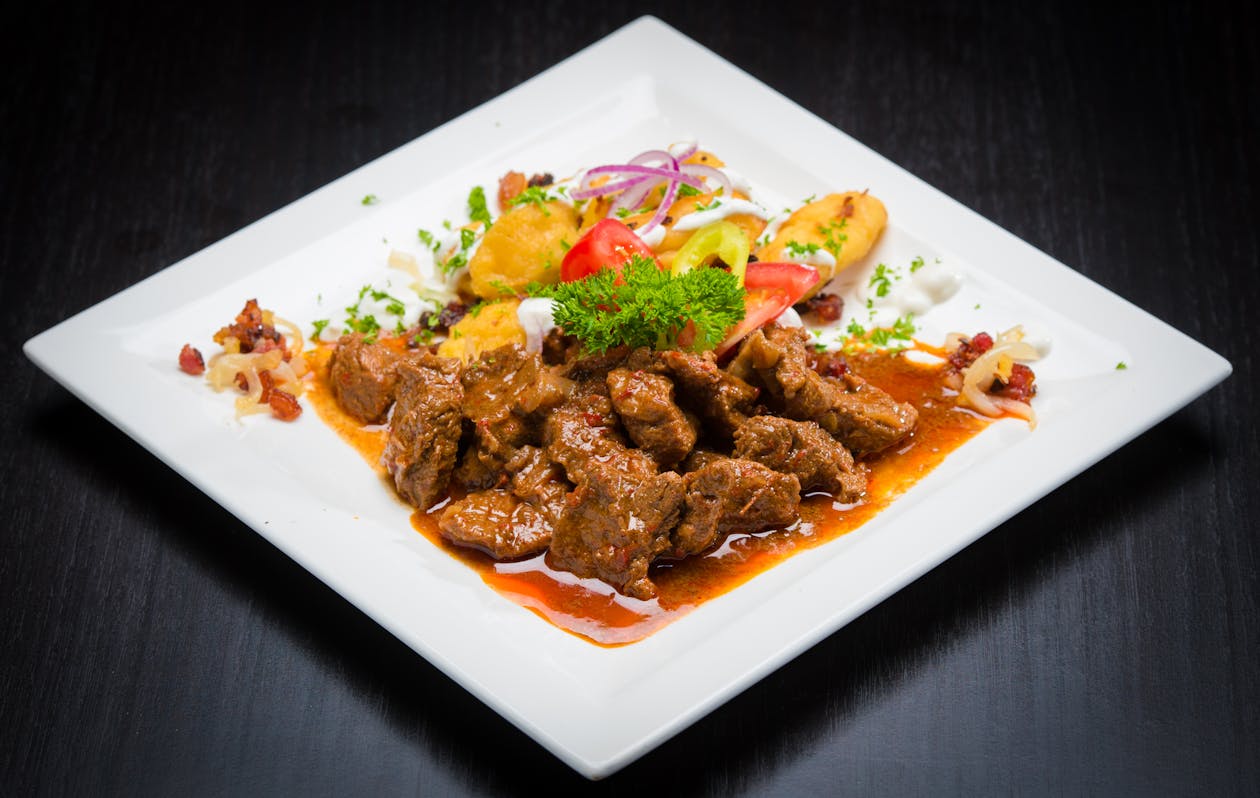
Mention dietary restrictions when booking. Most tours can accommodate vegetarians, gluten-free, and other dietary needs, but they need advance notice. Hungarian cuisine is very meat-heavy, so last-minute changes are difficult.
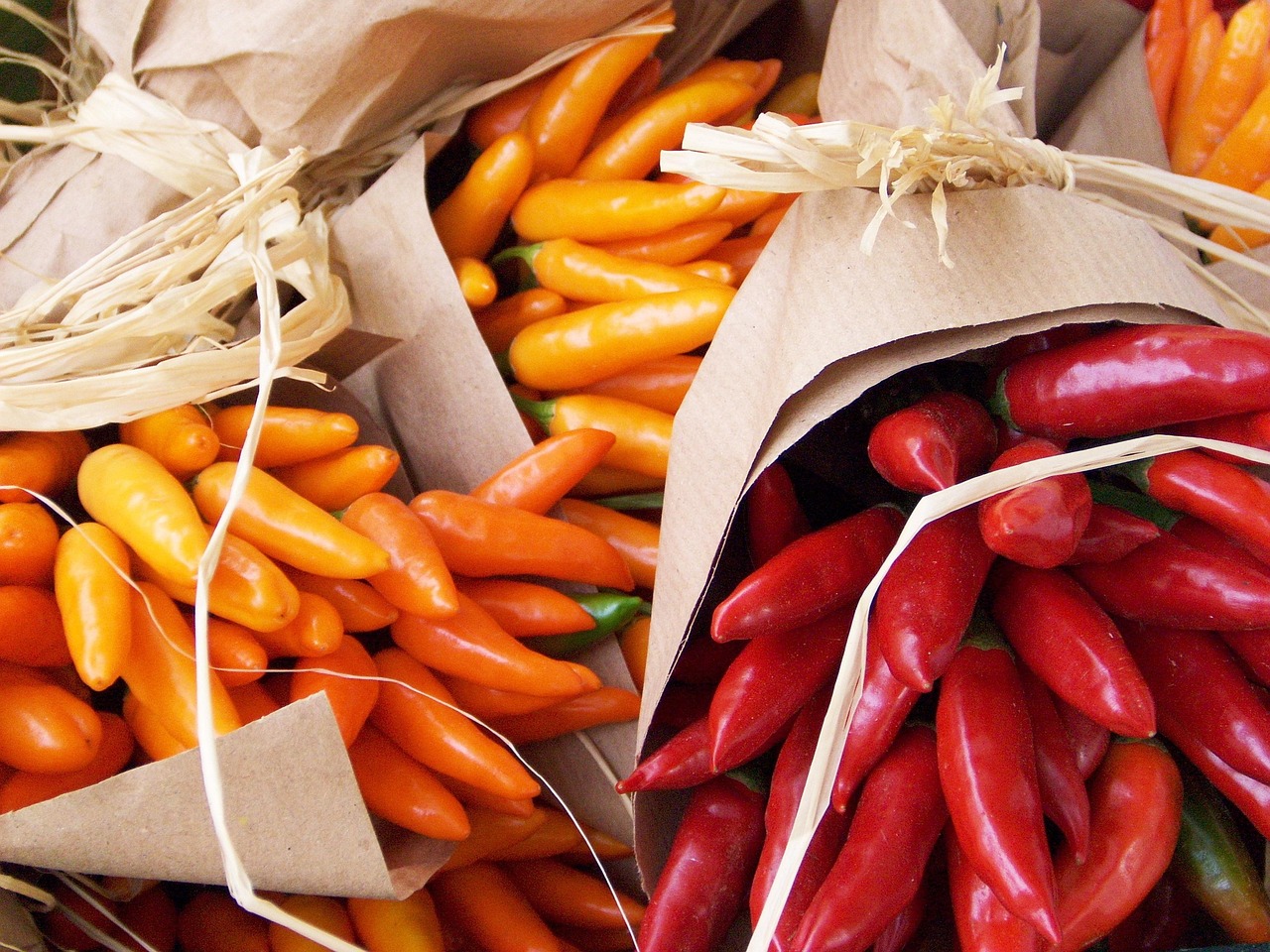
Bring cash for the market. If your tour includes a Central Market Hall visit, you’ll want cash to buy paprika, sausage, or other souvenirs from the vendors. Most stalls accept cards now, but some smaller ones still prefer cash.
Tip your guide. If the tour was good (and based on the ratings, it probably will be), a tip of 10-15% is appreciated. Tipping is not obligatory in Hungary but it is customary for good service.
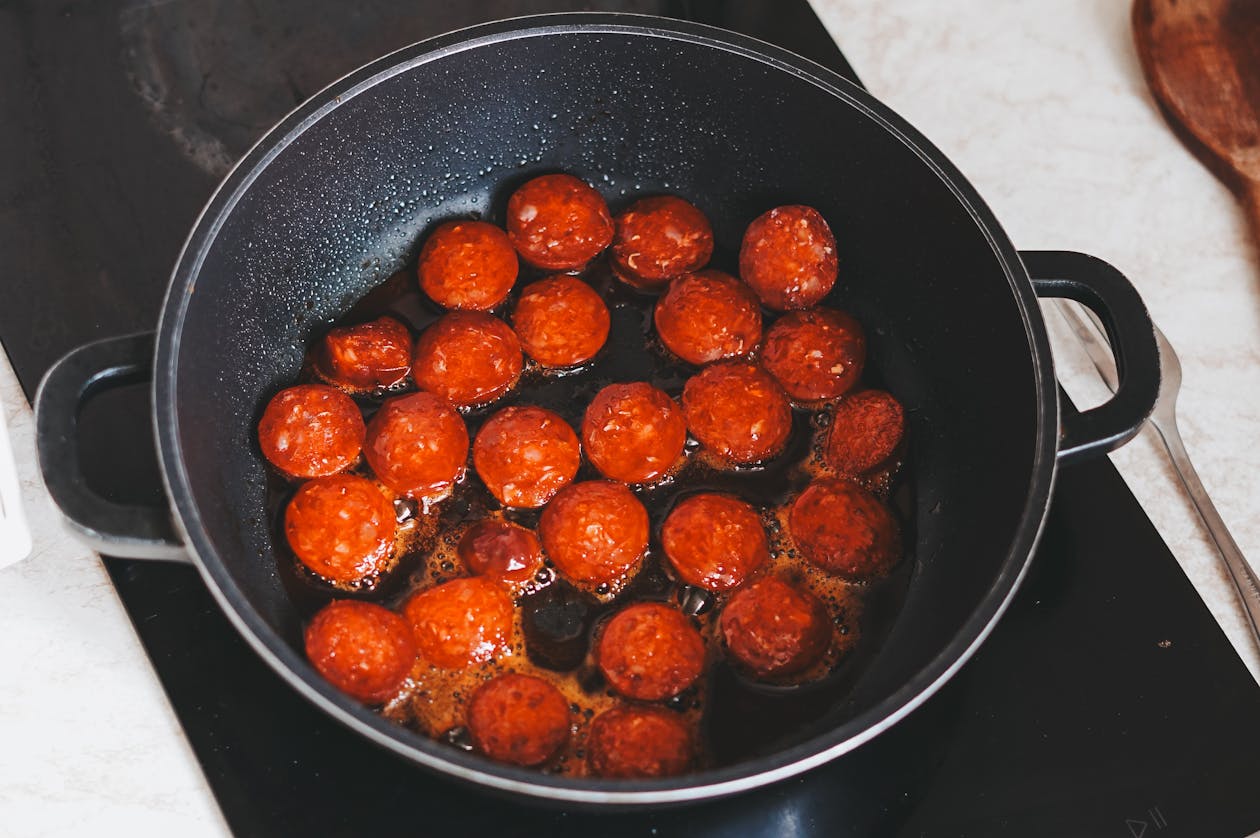
For cooking classes: take notes or photos of the recipes. Most classes provide recipe cards, but the instructors often share extra tips and variations verbally that are worth writing down. You will actually want to recreate these dishes at home.
What You’ll Experience on a Budapest Food Tour
A typical food tour starts with your guide meeting the group and spending a few minutes on introductions and context. The best guides weave history into the food — explaining how the Ottoman occupation influenced Hungarian cuisine, why paprika didn’t become the national spice until the 1800s (it was originally considered a peasant ingredient), and how Hungary’s geography created such a distinct culinary identity.
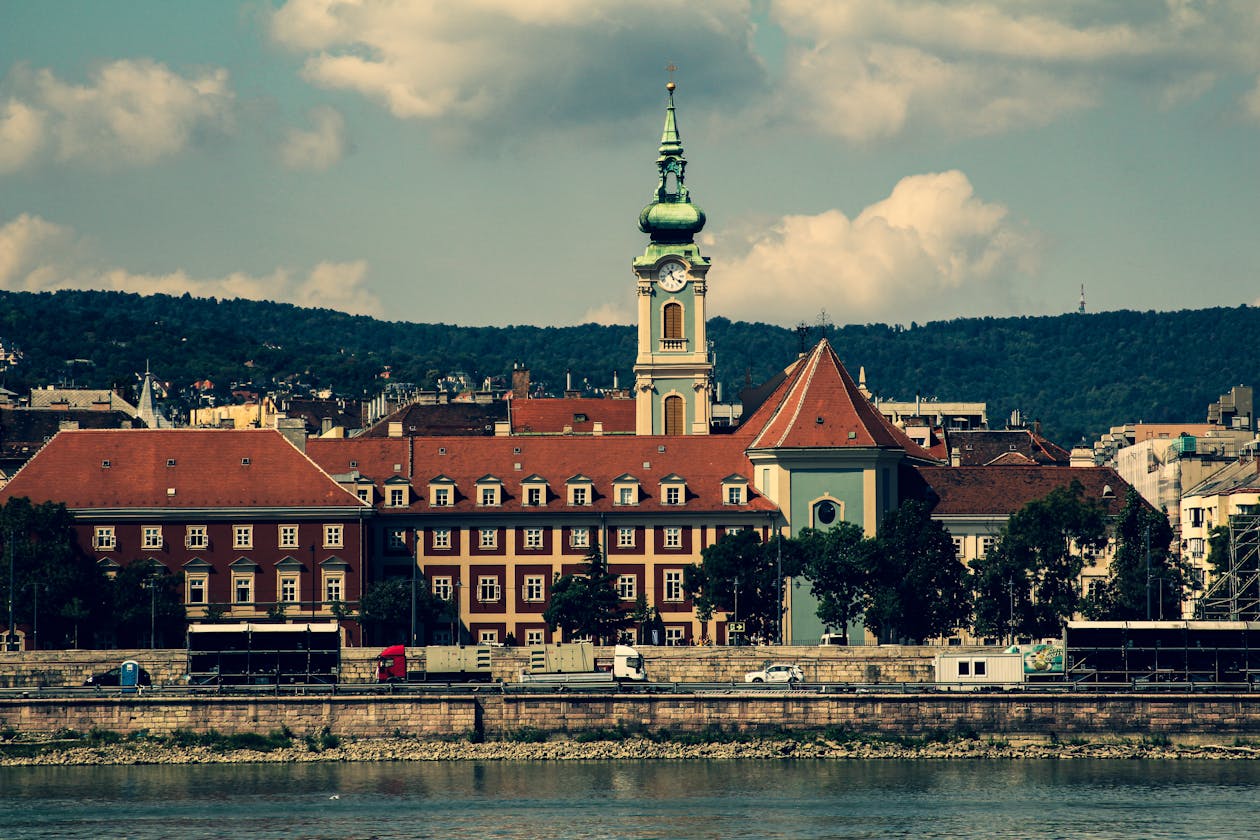
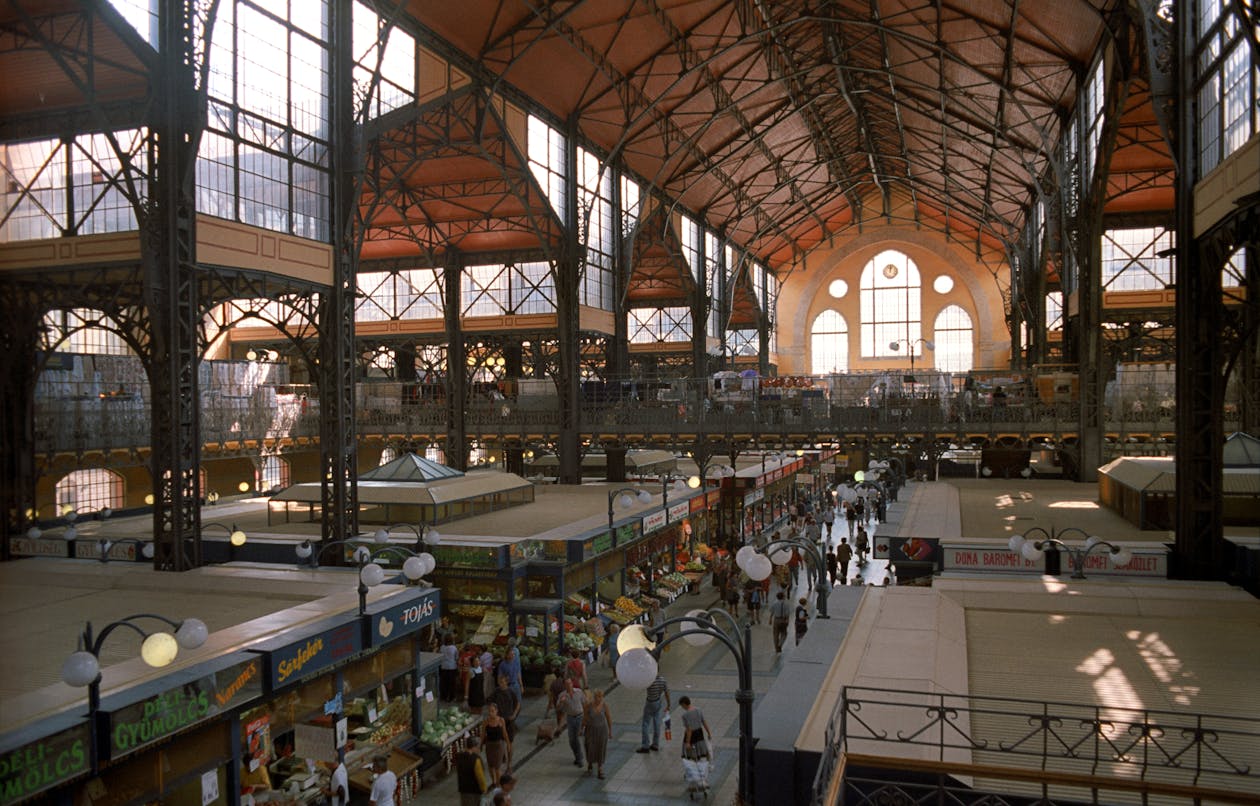
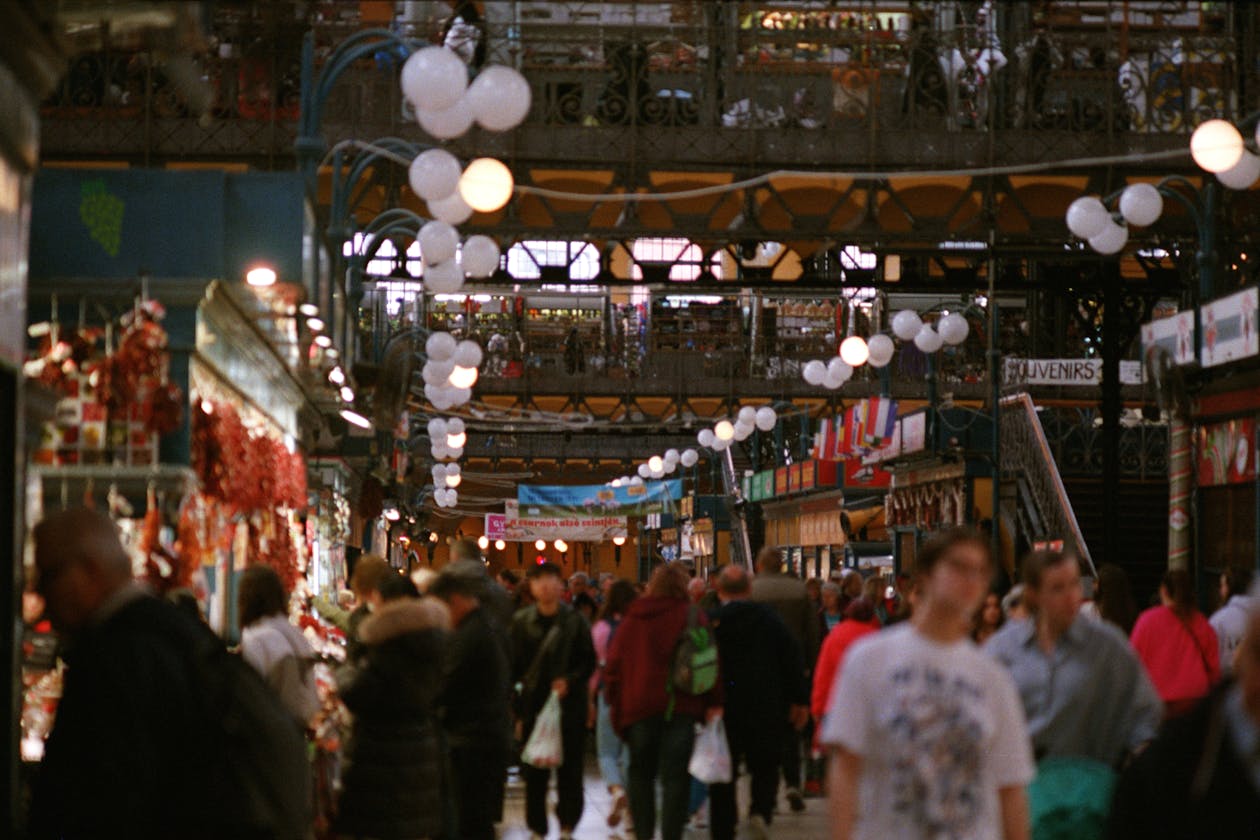
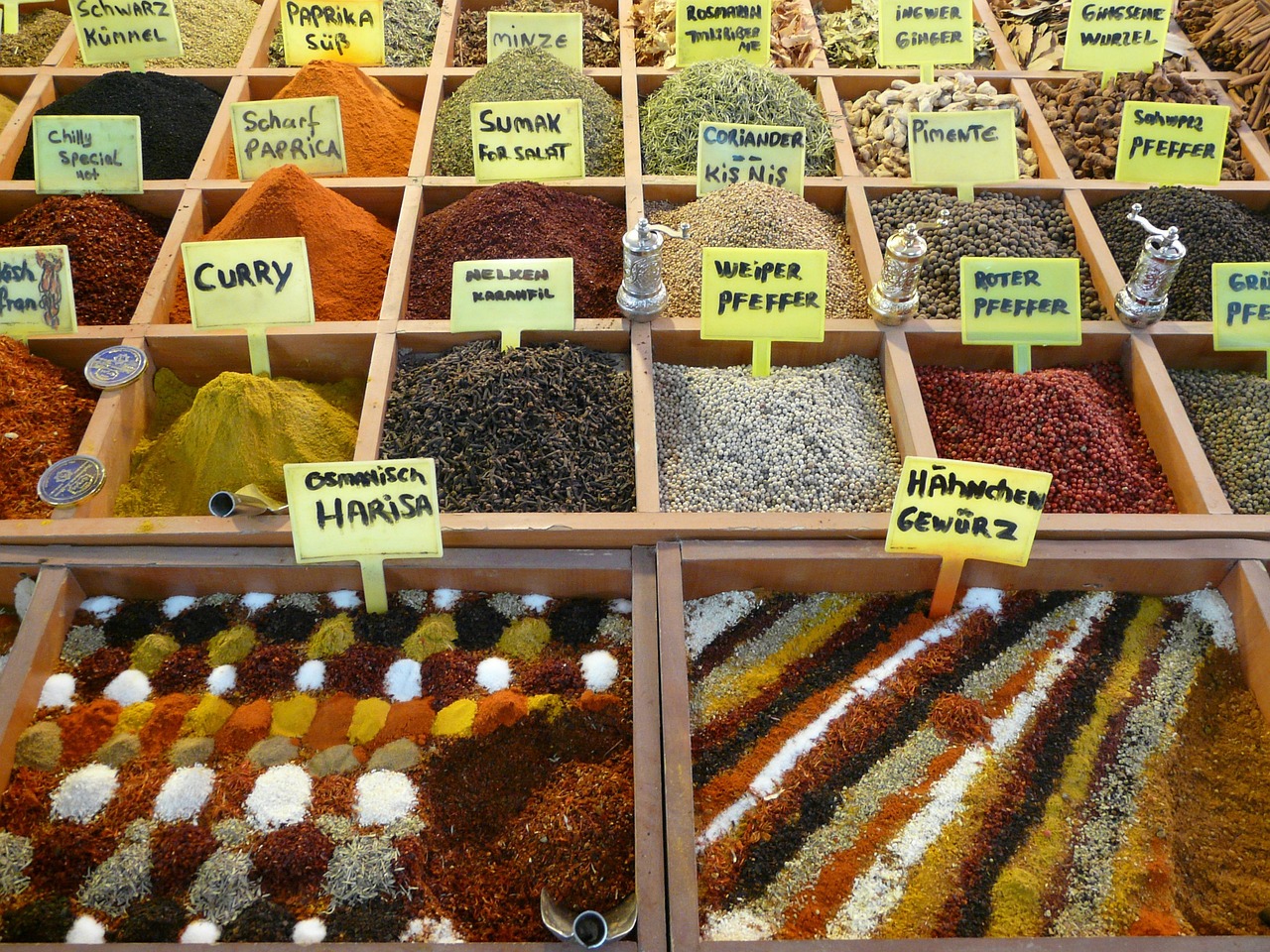
The first stop is usually the Central Market Hall, where you’ll taste paprika (the guide will explain the difference between sweet, hot, and smoked varieties), Hungarian salami, and possibly langos from the upper floor food court. The market itself is worth the tour price — it’s a beautiful 19th-century iron and glass structure with three floors of food, crafts, and local life.
From there, you’ll walk through neighborhoods that most travelers never visit. Small restaurants where the menu is only in Hungarian. Bakeries that have been making the same strudel recipe for three generations. Wine bars where the owner pours you palinka and tells you about his grandmother’s recipe while you try not to cough (palinka is strong).
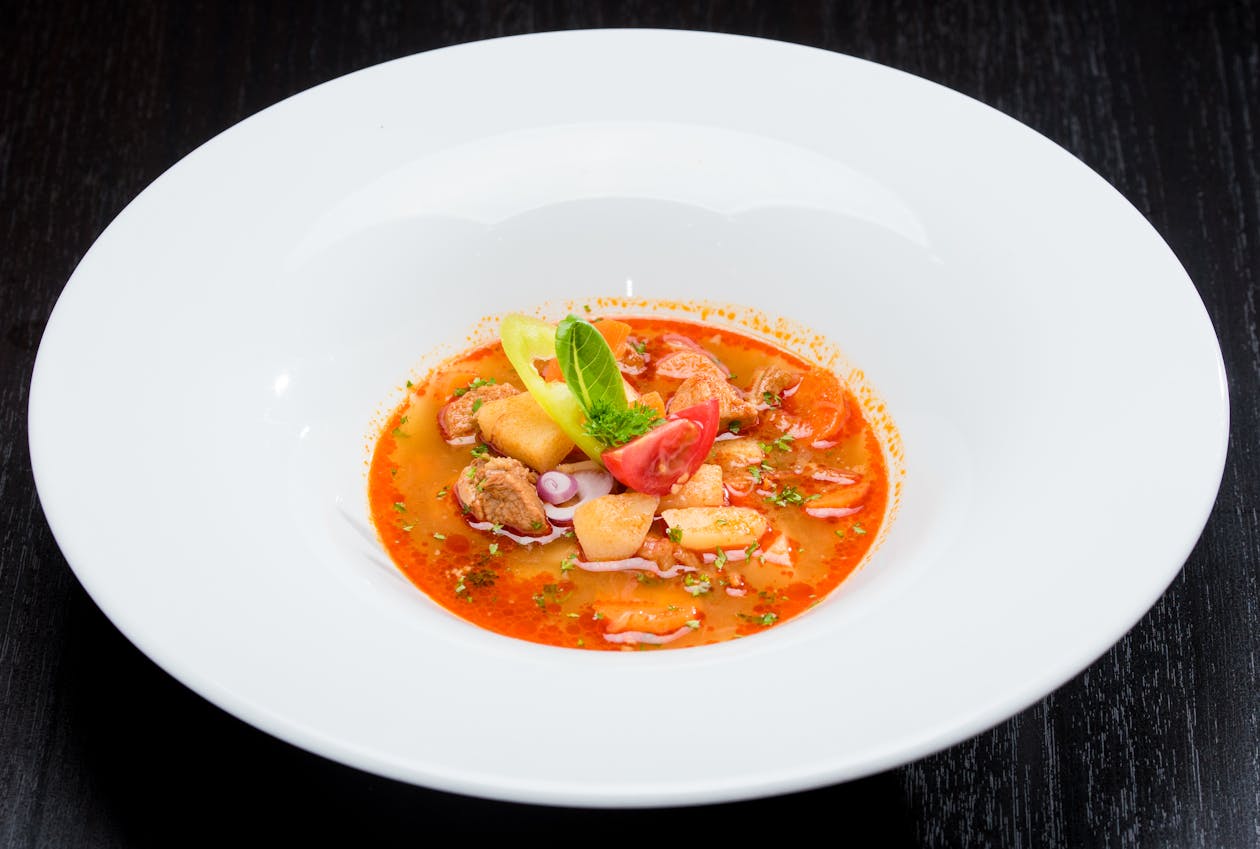
The cooking class experience is more intimate. After shopping at the market, you head to a kitchen where everything is set up for you. The instructor walks you through each dish step by step, and you do everything yourself — chopping, sauteing, rolling, seasoning. There’s usually music playing, wine flowing, and a lot of laughter as people’s dishes turn out surprisingly well (or occasionally, entertainingly wrong).
Both experiences end with food. On food tours, you’ll have eaten the equivalent of two full meals by the end. In cooking classes, you sit down together at a big table and eat everything you made, paired with Hungarian wine. It’s one of those experiences where strangers become friends over a shared meal — which, when you think about it, is what food has always been about.
More Budapest Guides
Food is just one part of the Budapest experience, and the city has plenty more to offer between meals.
If the thermal baths interest you, I’ve put together a detailed guide on how to book Budapest’s thermal baths covering Szechenyi, Gellert, and Rudas — including which tickets to buy and when to visit. After a heavy food tour, a few hours in mineral-rich 38-degree water is exactly what your body needs.
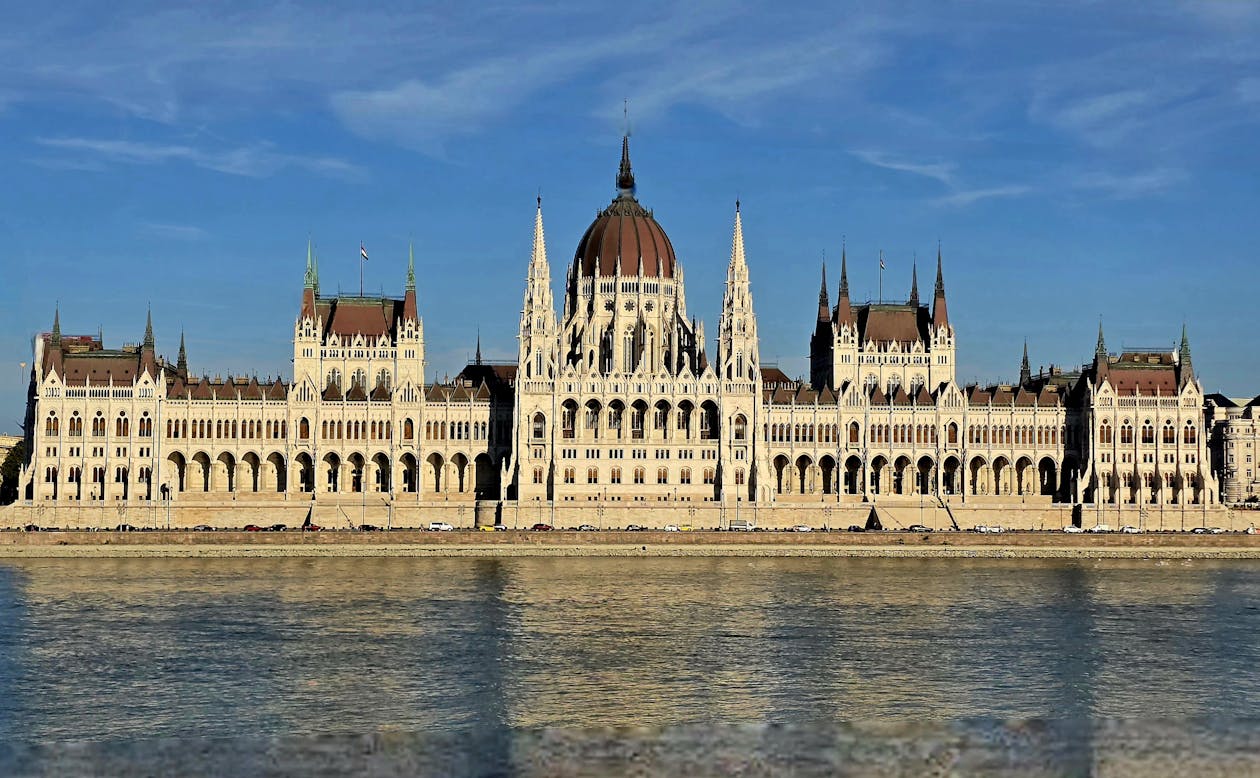
For evening entertainment, the Danube dinner cruises pair nicely with a food-themed trip — you get live music, a buffet dinner, and views of the illuminated Parliament Building from the water. And St Stephen’s Basilica is worth visiting for both its architecture and its dome views over the entire city.
If Hungarian wine interests you (and after a food tour, it probably will), check out the Budapest wine tasting scene. The Etyek wine region is just 30 minutes from the city and produces some excellent whites that pair perfectly with everything you’ll learn to cook.
Disclosure: Some of the links in this article are affiliate links. If you book through these links, I may earn a small commission at no extra cost to you. I only recommend tours and experiences I have personally vetted or that come highly rated by verified travelers. This helps support the site and allows me to keep producing honest, in-depth travel guides.