
The Musée d’Orsay is the museum that the Louvre’s overflow visitors should be going to instead of the Louvre, and the fact that they aren’t is one of the great mysteries of Paris tourism. Orsay holds the largest collection of Impressionist and Post-Impressionist paintings in the world — every Monet you’ve ever seen on a postcard, the Van Goghs that aren’t in Amsterdam, the Renoir, the Degas, the Cézanne, the Seurat. It is, room for room, the best art museum in Paris and arguably in Europe. And on most days you can wander through it with a quarter of the crowds you’d face at the Louvre.
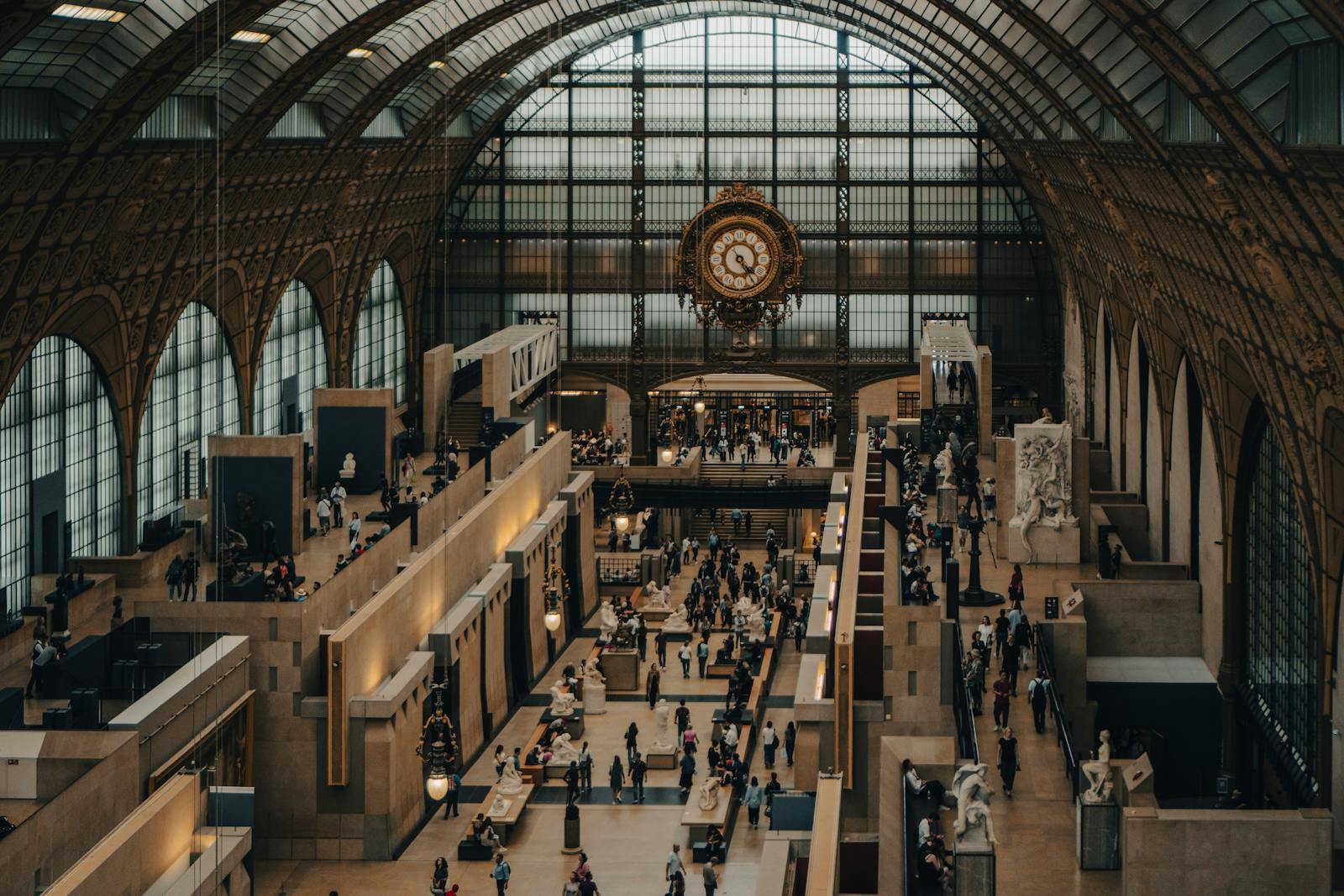
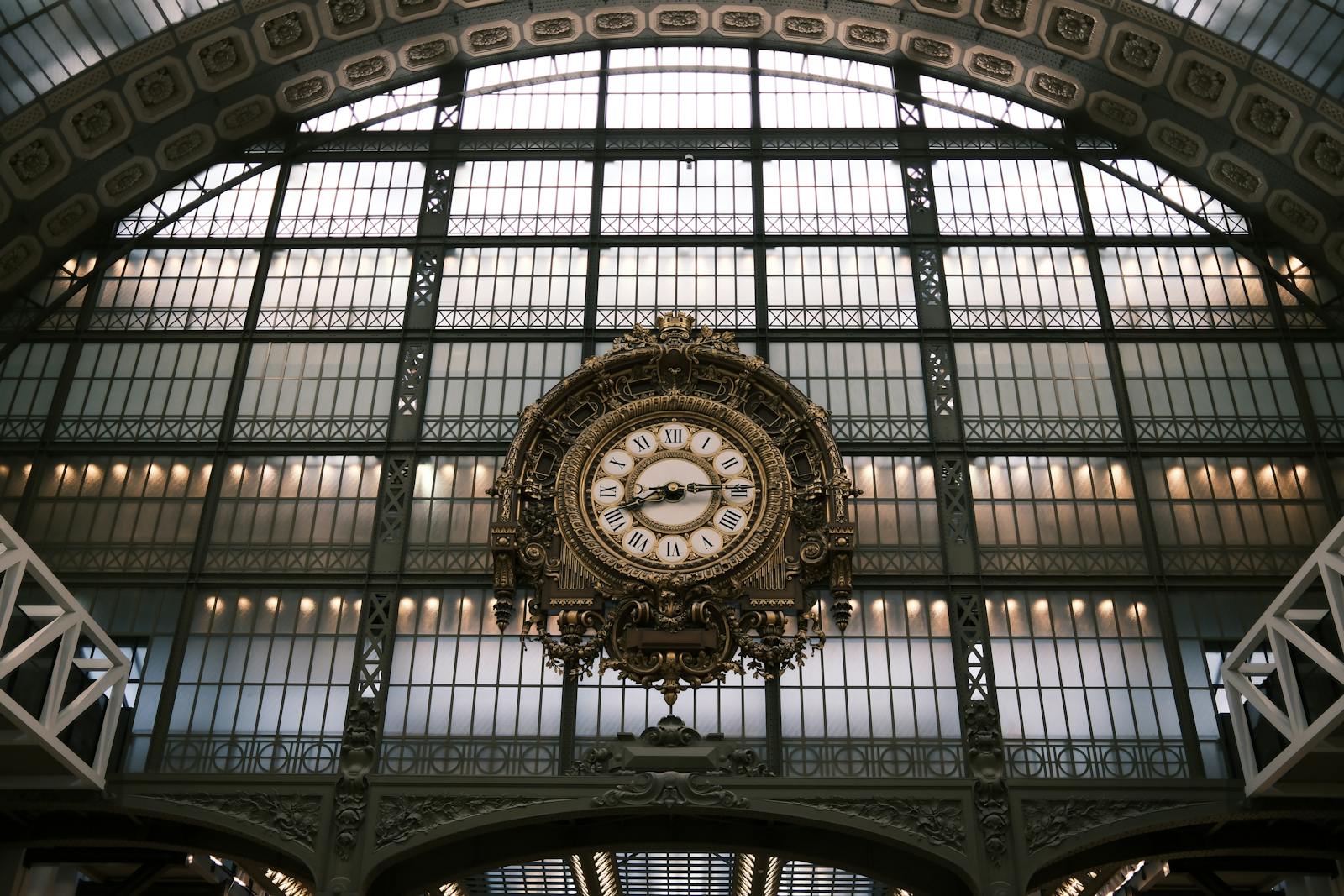
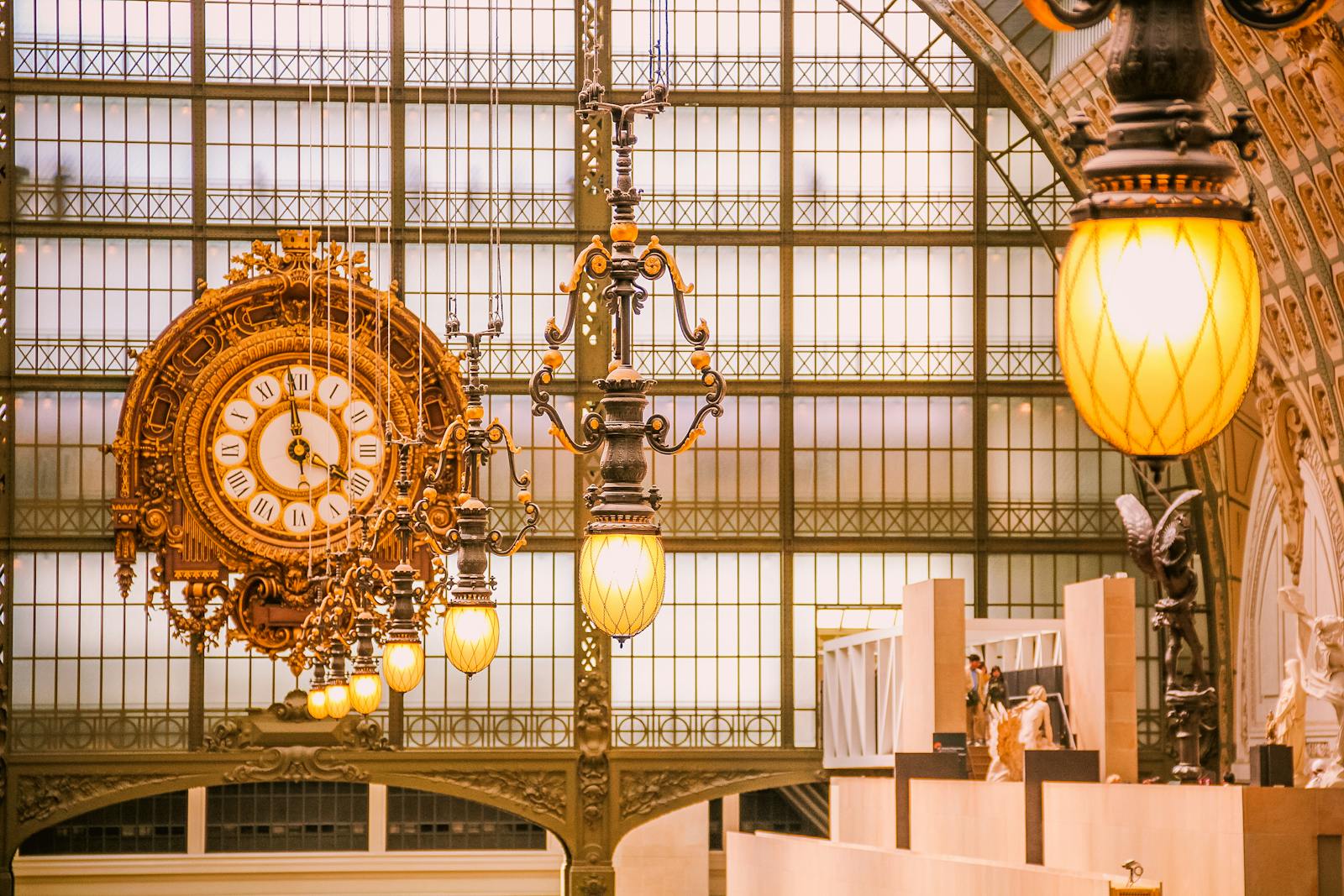
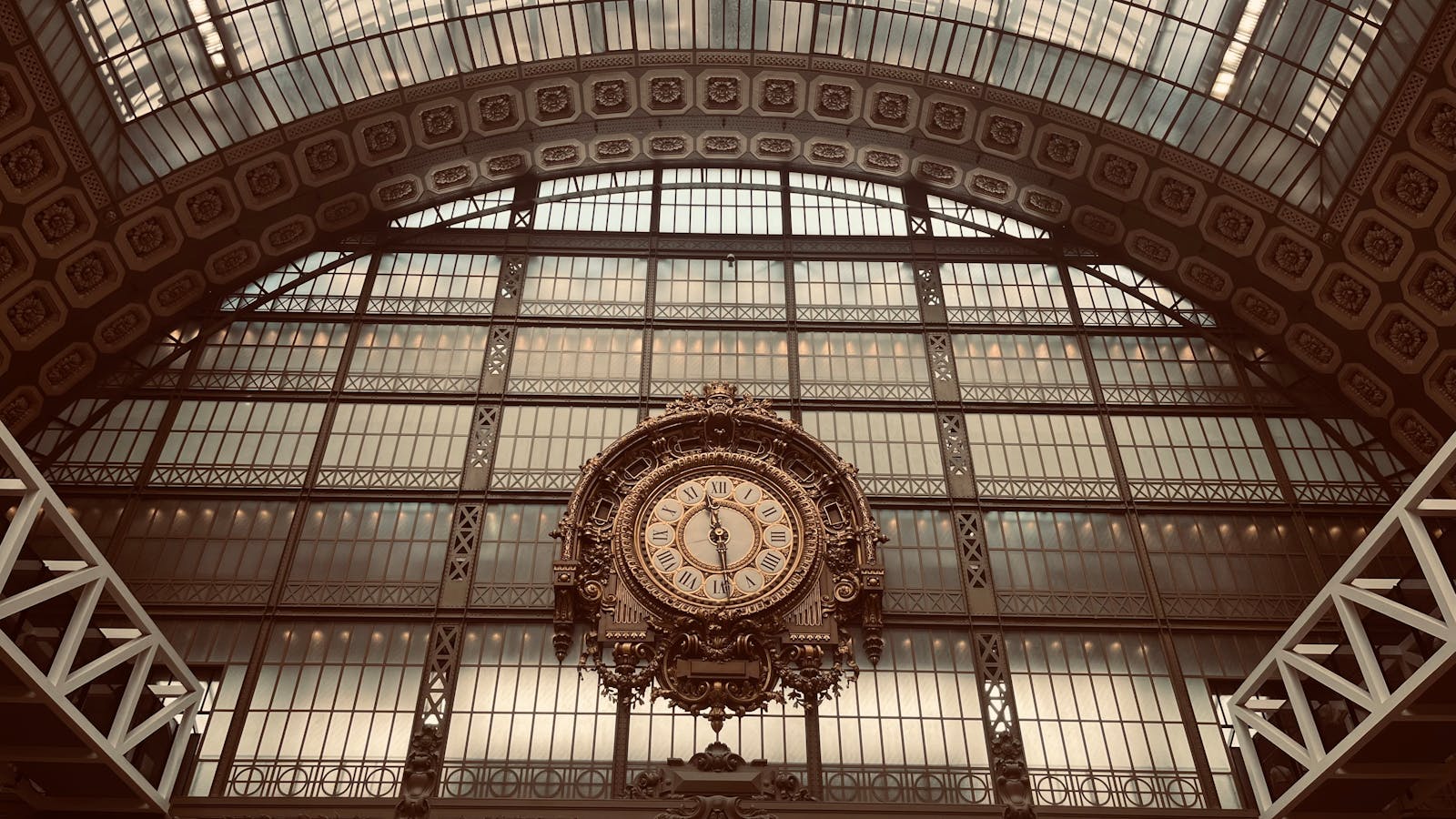
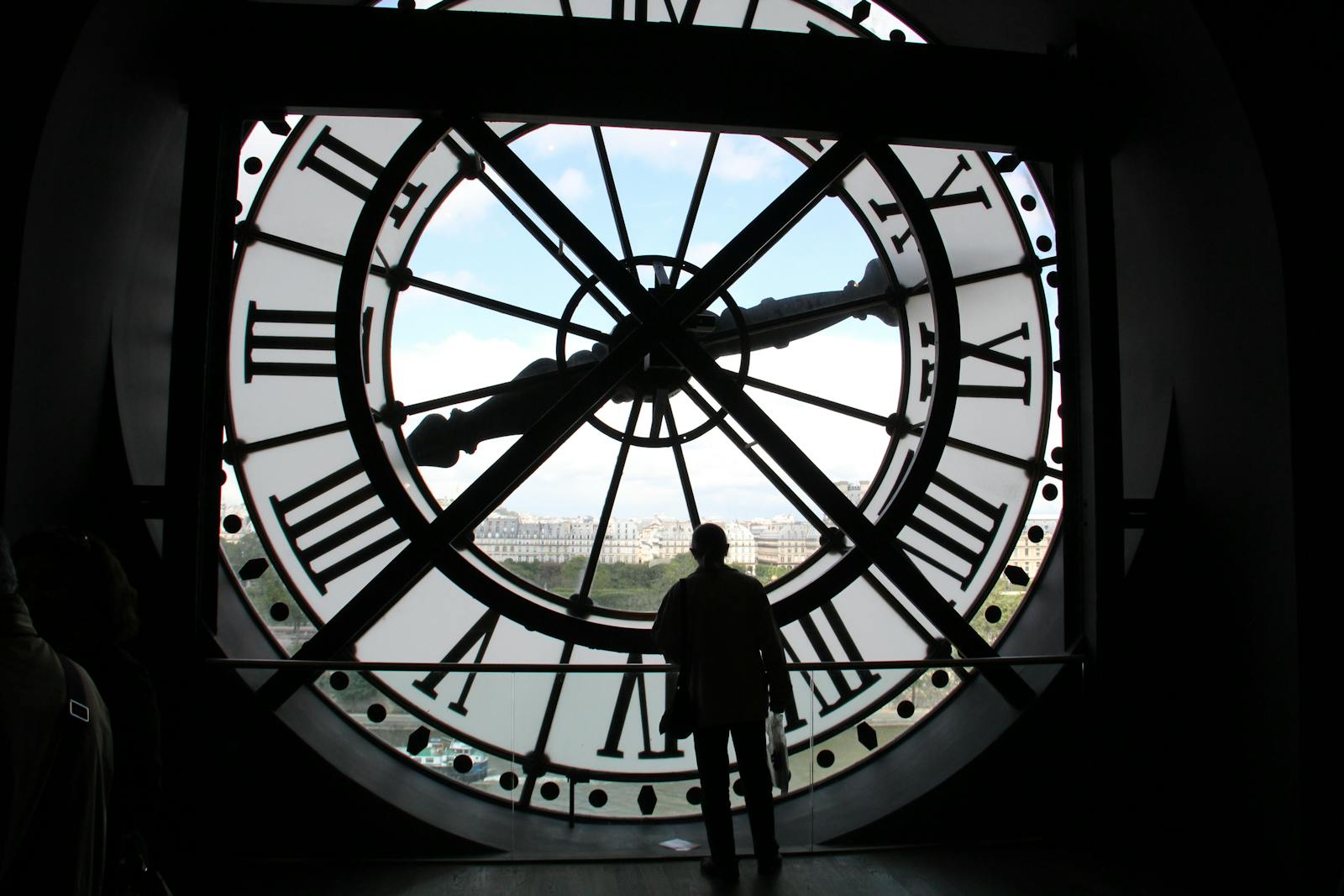
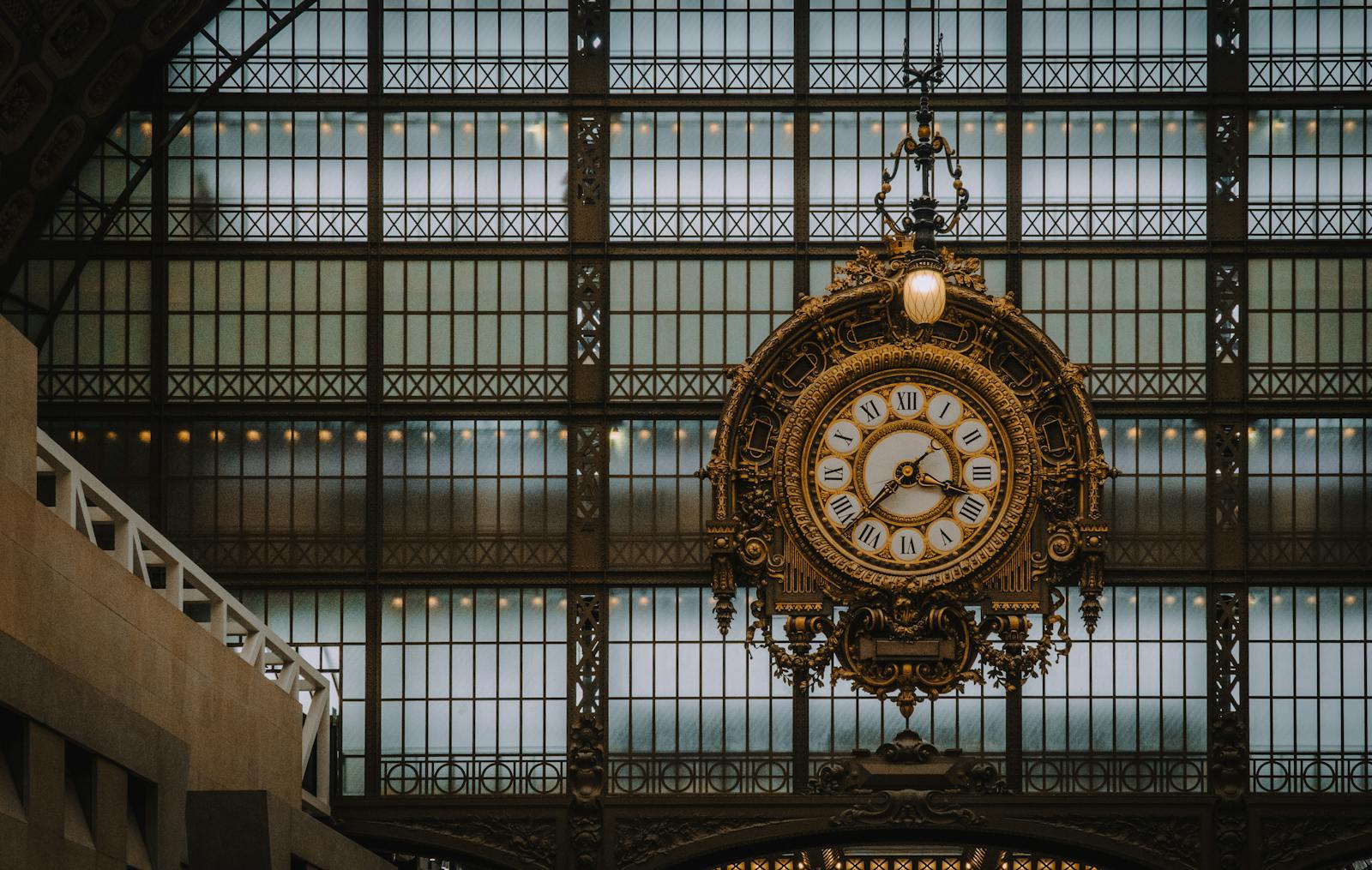
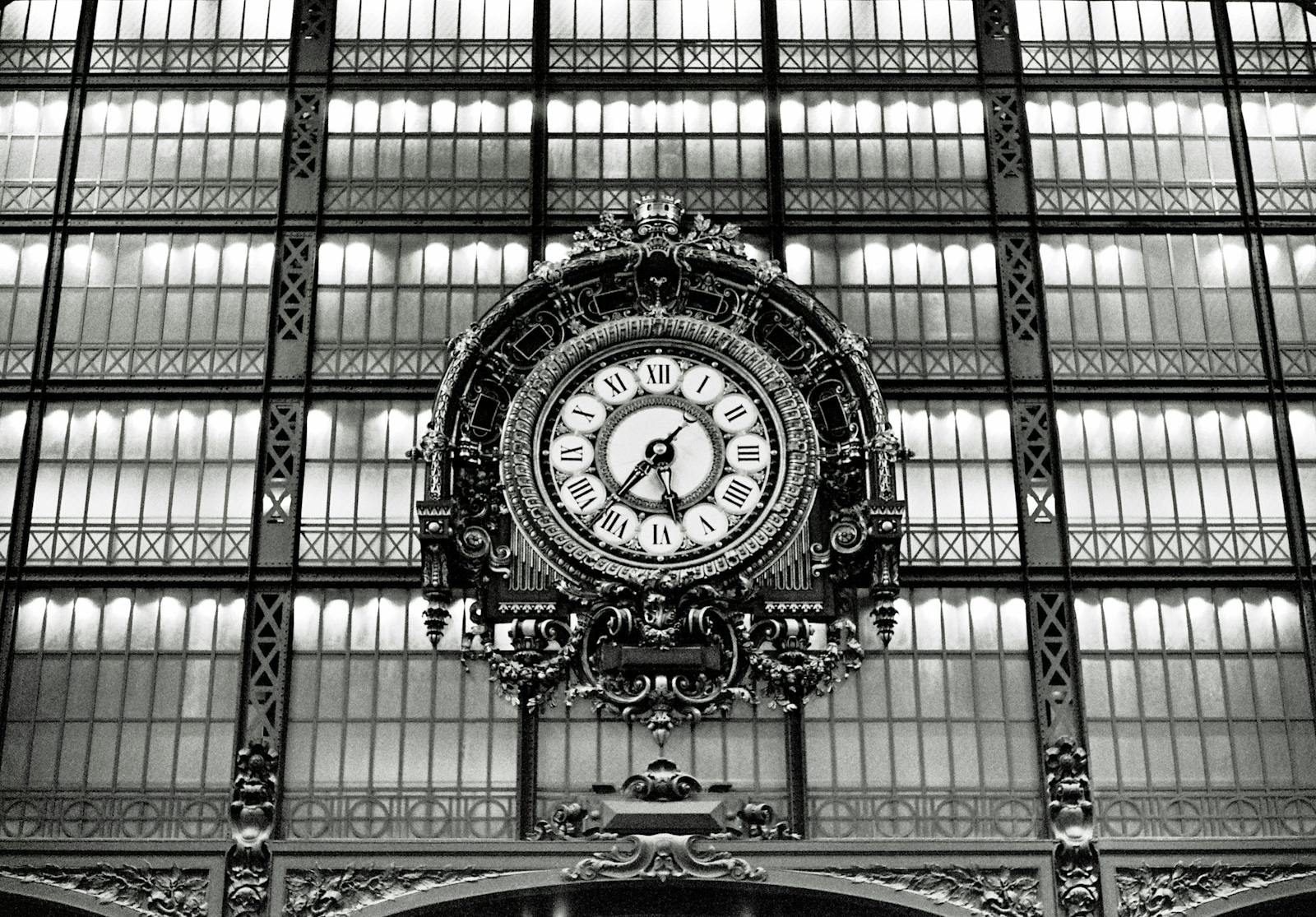
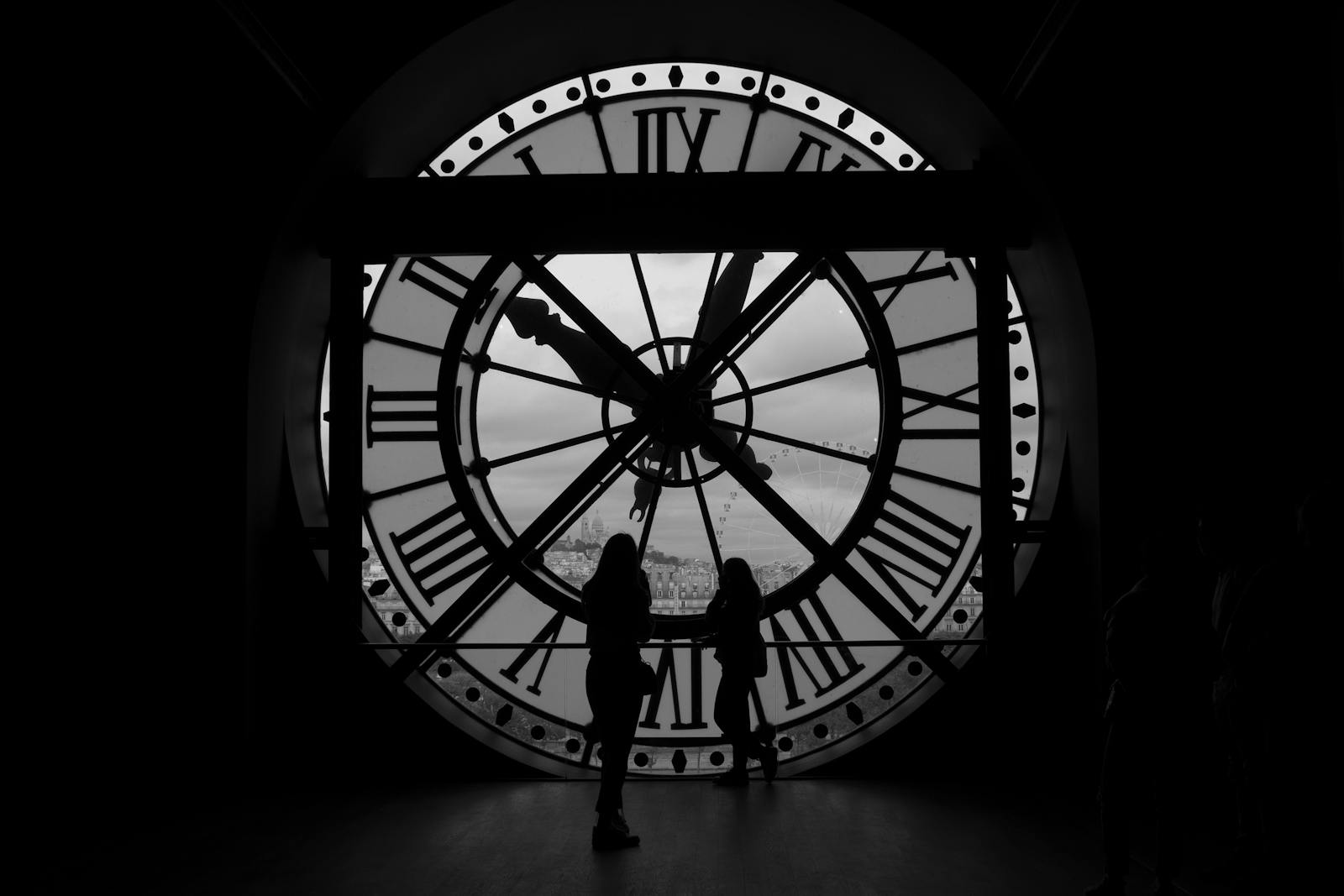
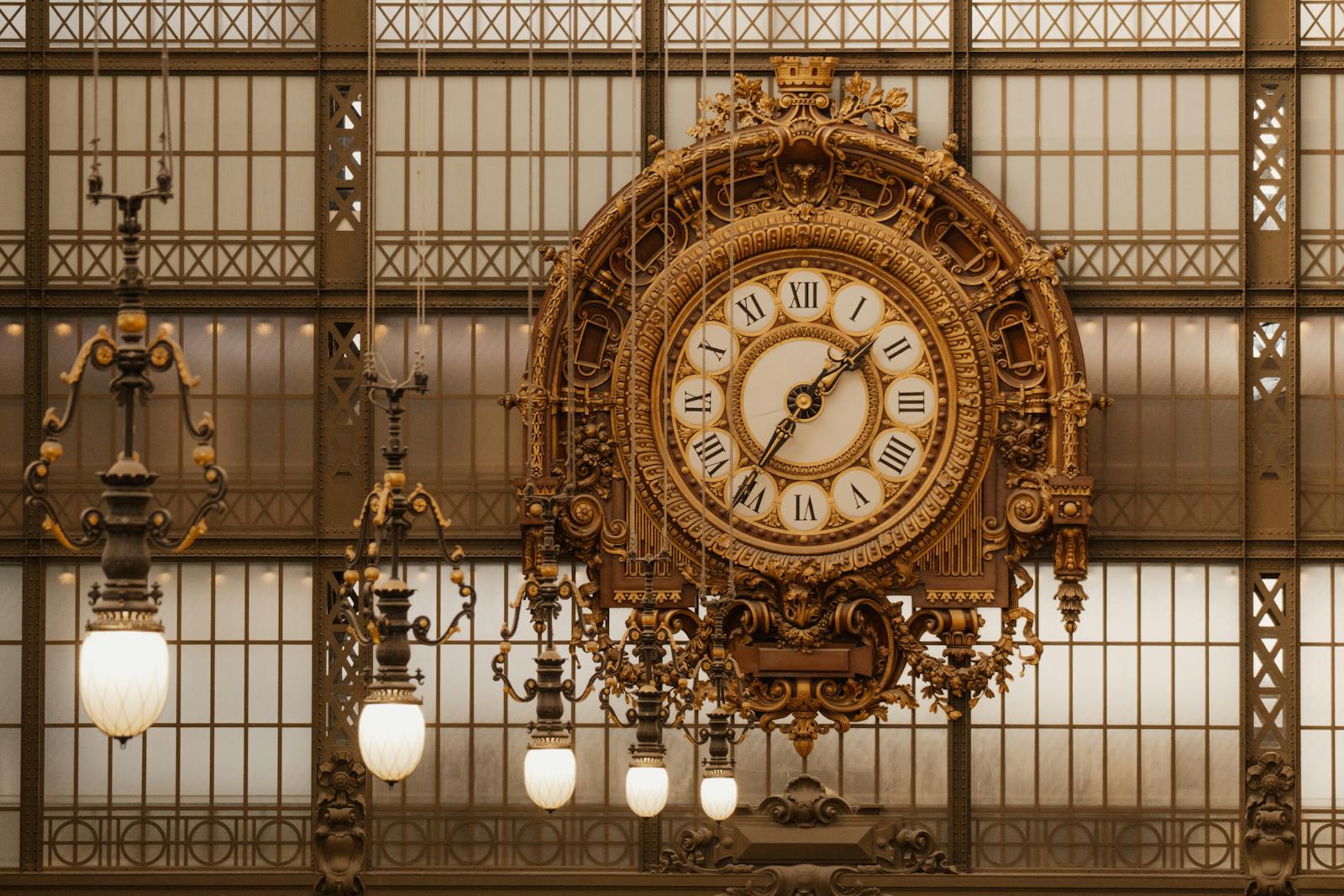
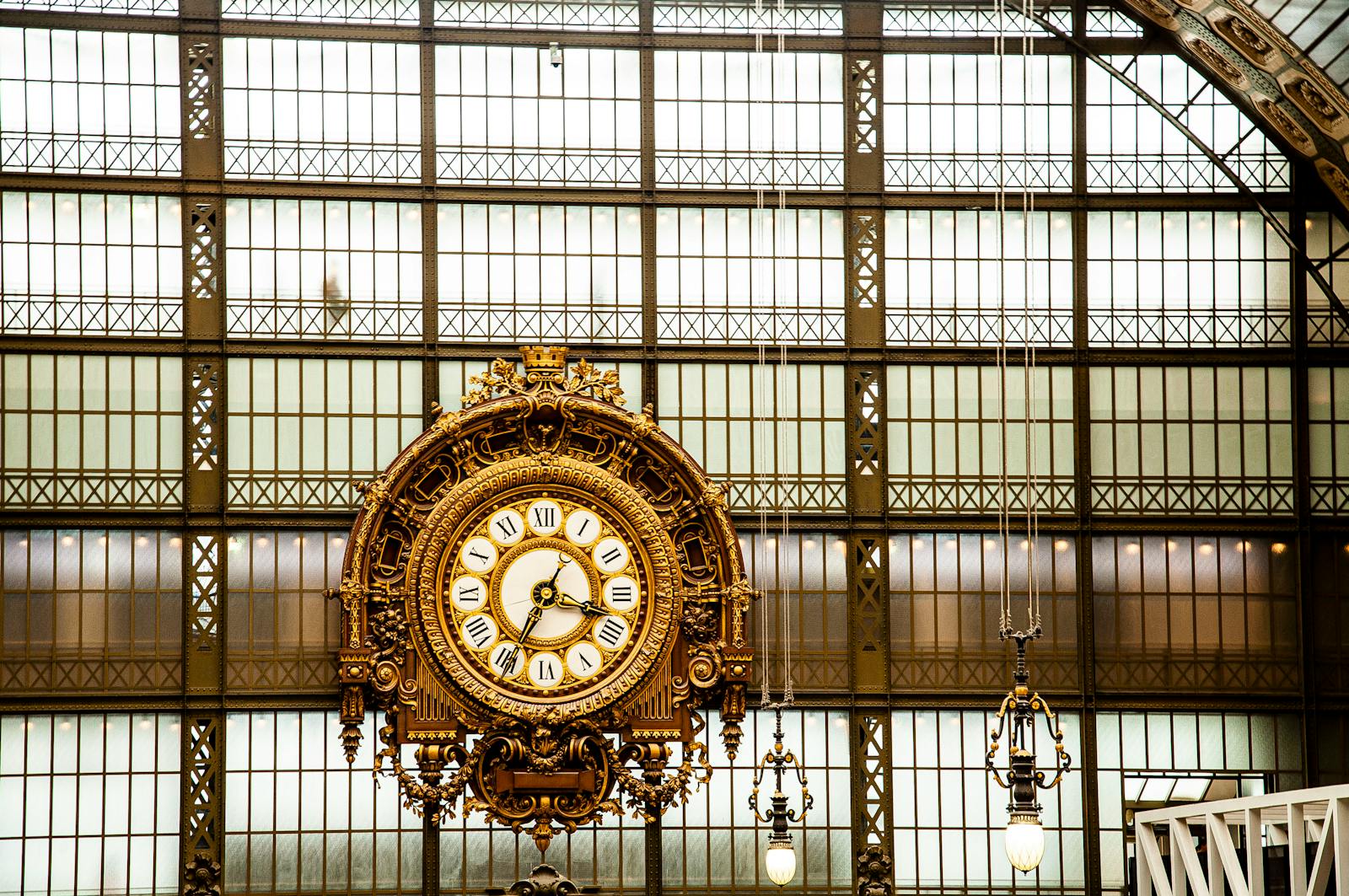
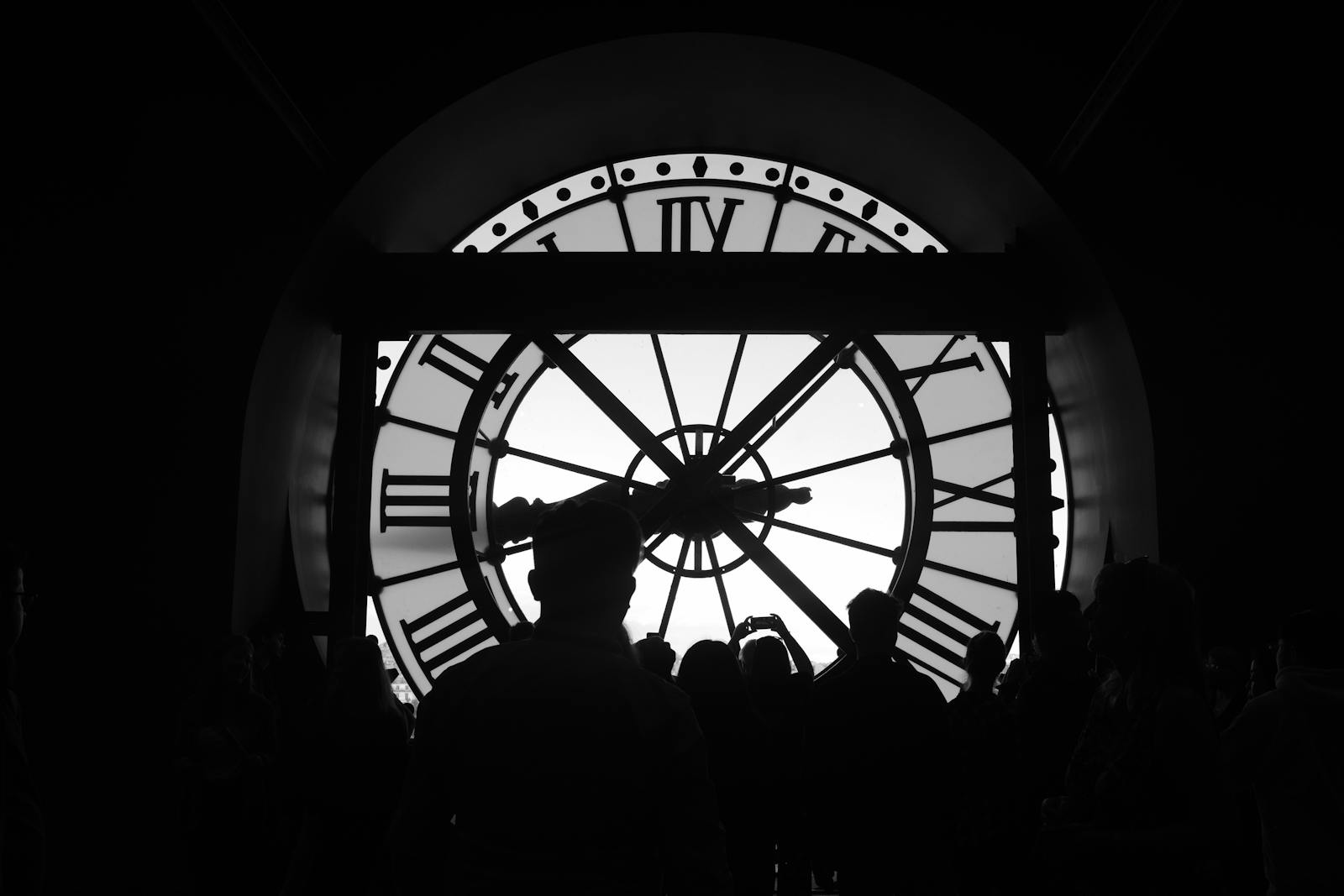
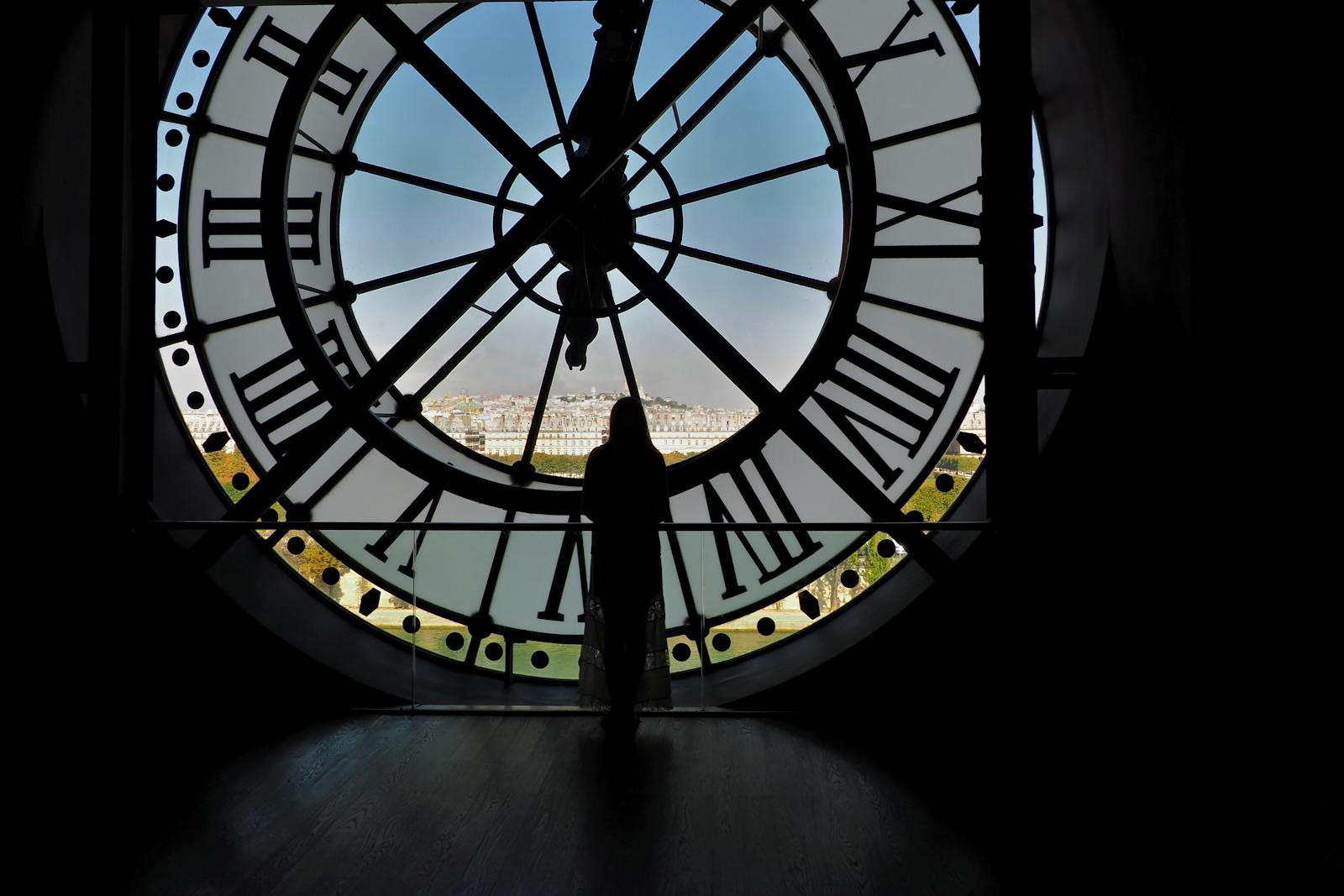
It also has the single most photographable architectural feature of any museum in Europe — the giant glass-and-iron Beaux-Arts clock on the fifth floor, looking out over the Seine and the Paris skyline. Standing inside the clock face and looking out across the city is one of the small, free, easy joys of a Paris trip, and it doesn’t appear in any of the standard “must-see Paris” lists because Orsay is somehow still considered an “alternative” museum despite having a million more reviews than half of the things on those lists.
This guide covers the four most-booked Orsay tickets and tours, with honest notes on which one is right for which kind of visitor. Spoiler: for most people, the answer is the simplest and cheapest option (a $15 entry ticket and a self-guided wander), but there are real reasons to consider the guided tour upgrades, especially if you’re visiting during peak season or if you want a serious art history experience rather than a casual museum walk.
- Quick Picks
- Why Orsay Should Be Your Second Paris Museum
- The Four Best Orsay Ticket Options
- 1. Paris: Orsay Museum Entry Ticket
- 2. Orsay Museum Semi-Private 6 People Max Tour
- 3. Orsay Museum Skip-the-Line Impressionists Guided Tour
- 4. Paris: Orsay Museum Entry Ticket and Digital Audio Guide App
- What the Visit Actually Looks Like
- A Quick Historical Frame
- When to Go
- Practical Tips Nobody Tells You
- More Paris Guides
Quick Picks
Best for art enthusiasts: Orsay Museum Semi-Private Tour (6 people max) — $144, capped at 6 people, 5.0 rating, the most intensive guided experience available. Worth it if you genuinely want to understand what you’re looking at.
Best mid-range option: Orsay Museum Skip-the-Line Impressionists Guided Tour — $68, a 1 hour 45 minute focused tour through the Impressionist galleries, the right call if you want guided context for the most important rooms without committing to a half day.
Why Orsay Should Be Your Second Paris Museum
Let me make a slightly heretical claim: if you only have time for one museum in Paris, you should probably go to Orsay rather than the Louvre. I’m not actually going to tell you to do that — the Louvre is the Louvre, and skipping it on your first trip feels wrong — but the case for Orsay is genuinely strong, and most first-time visitors don’t understand why.
Orsay is the right size. The Louvre has 35,000 objects on display across 72,000 square meters and trying to “see the Louvre” in a day is a physical and mental impossibility. Orsay has roughly 4,000 works in a building you can walk end-to-end in 20 minutes. You can actually see Orsay in two to three hours and come away feeling like you’ve experienced the entire museum, not just a hallway of it. That difference matters more than people realize. The Louvre leaves first-time visitors exhausted and confused. Orsay leaves them feeling like they’ve actually been to a museum.
Orsay is the right period. Most travelers come to Paris partly because of how Paris looks in art — and the art that defined that visual identity (the Impressionist scenes of cafes and gardens and dancers and rainy boulevards) is at Orsay, not at the Louvre. The Louvre’s collection ends around 1850. Orsay’s begins in 1848 and runs to 1914, which means it covers the exact period when modern Paris was being built and modern art was being invented. If you want to walk through the Tuileries and then see paintings of the Tuileries from 1875, you go to Orsay. If you want to look at a Monet water lily and then visit Giverny where he painted it, you go to Orsay.
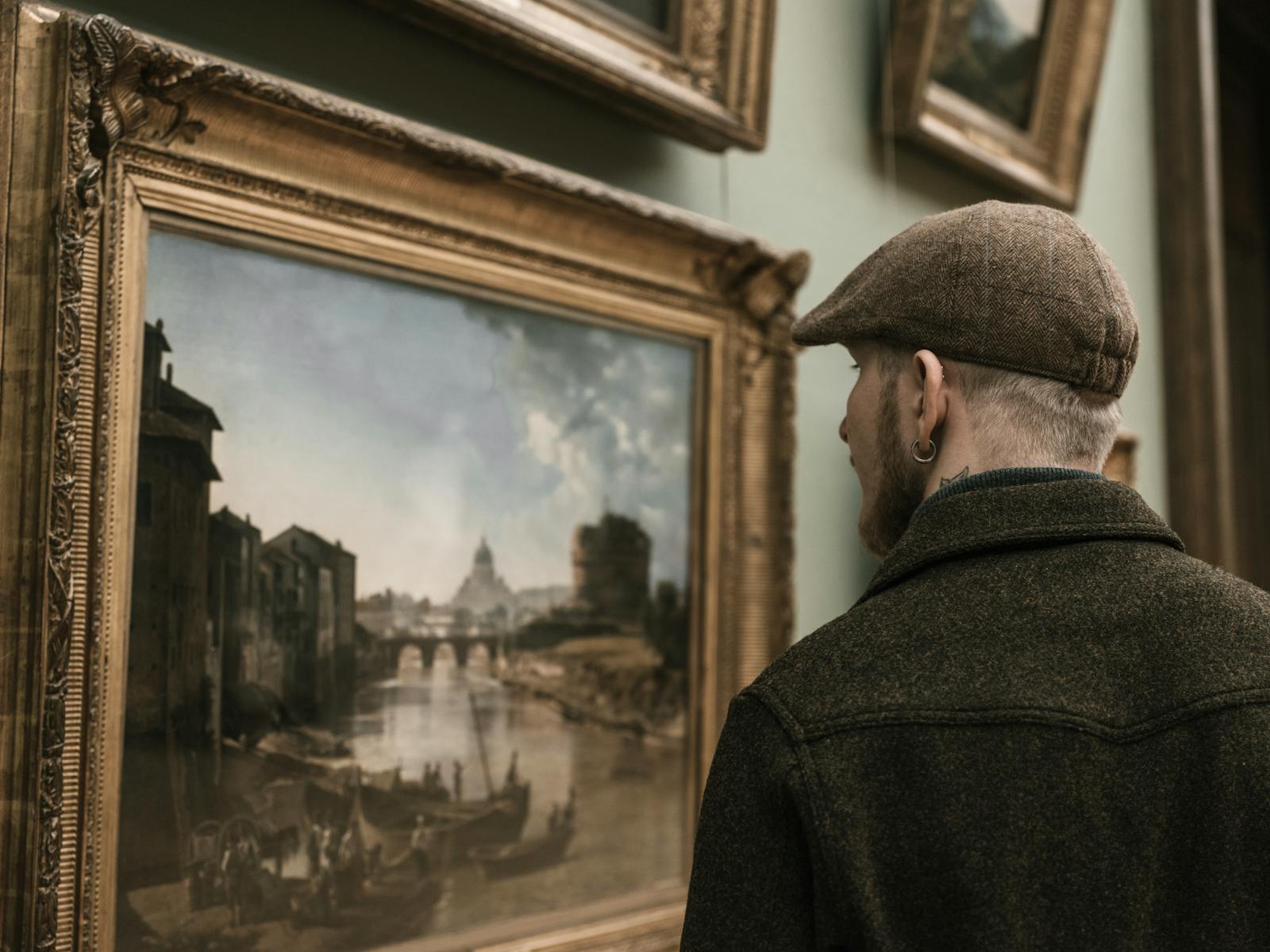
Orsay has the famous paintings everyone actually wants to see. The Mona Lisa is famous, and if you’ve never seen it I won’t talk you out of going. But for many travelers, the actual emotional payoff of looking at art comes from paintings they have a personal relationship with — and the paintings most people have a personal relationship with from posters, postcards, and high school textbooks are almost all in Orsay. Van Gogh’s “Starry Night Over the Rhône.” Monet’s “Poppy Field.” Renoir’s “Bal du Moulin de la Galette.” Manet’s “Olympia.” Degas’s bronze “Little Dancer.” Seurat’s “The Circus.” Cézanne’s “Card Players.” These are the paintings that show up in your dreams. They’re all here.
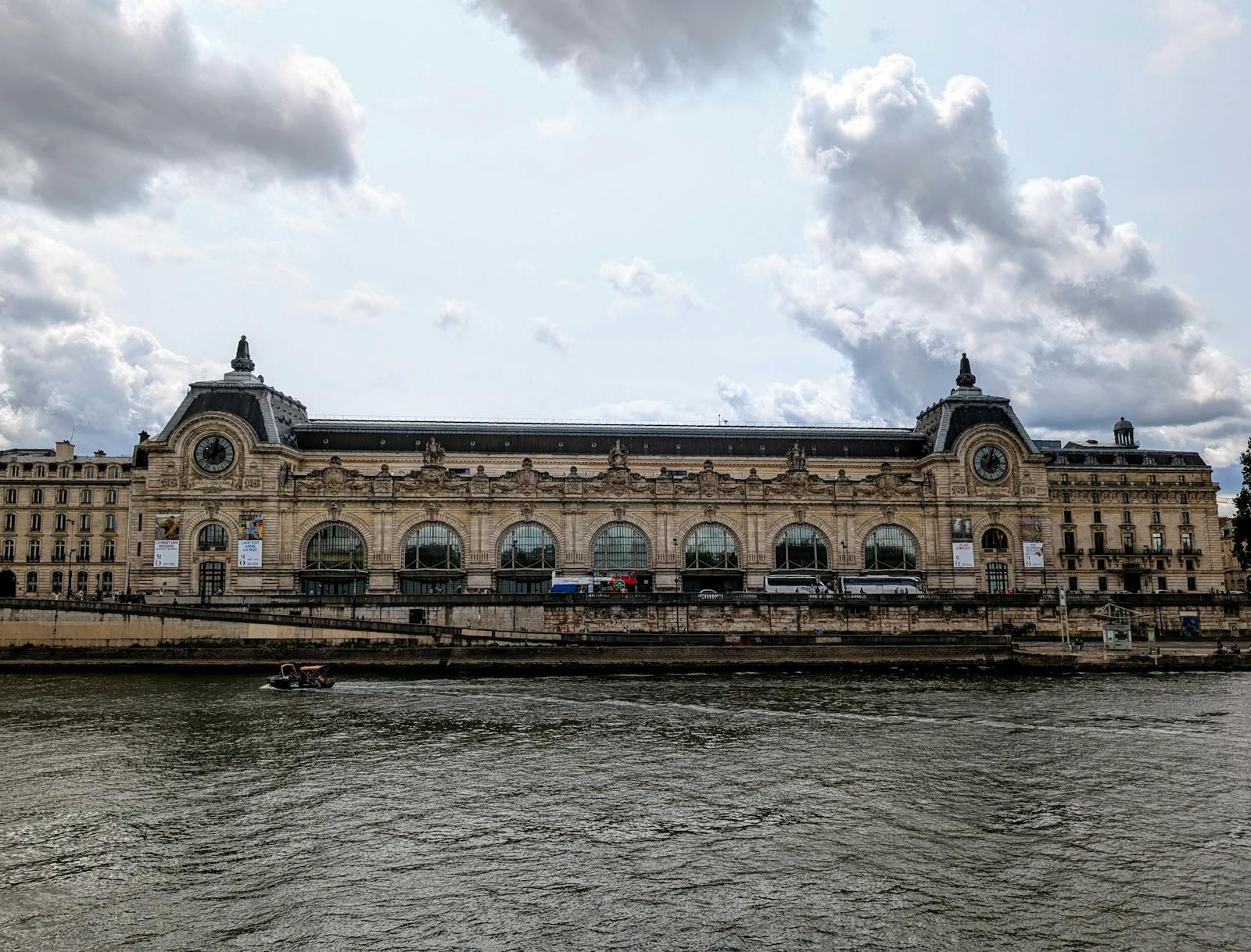
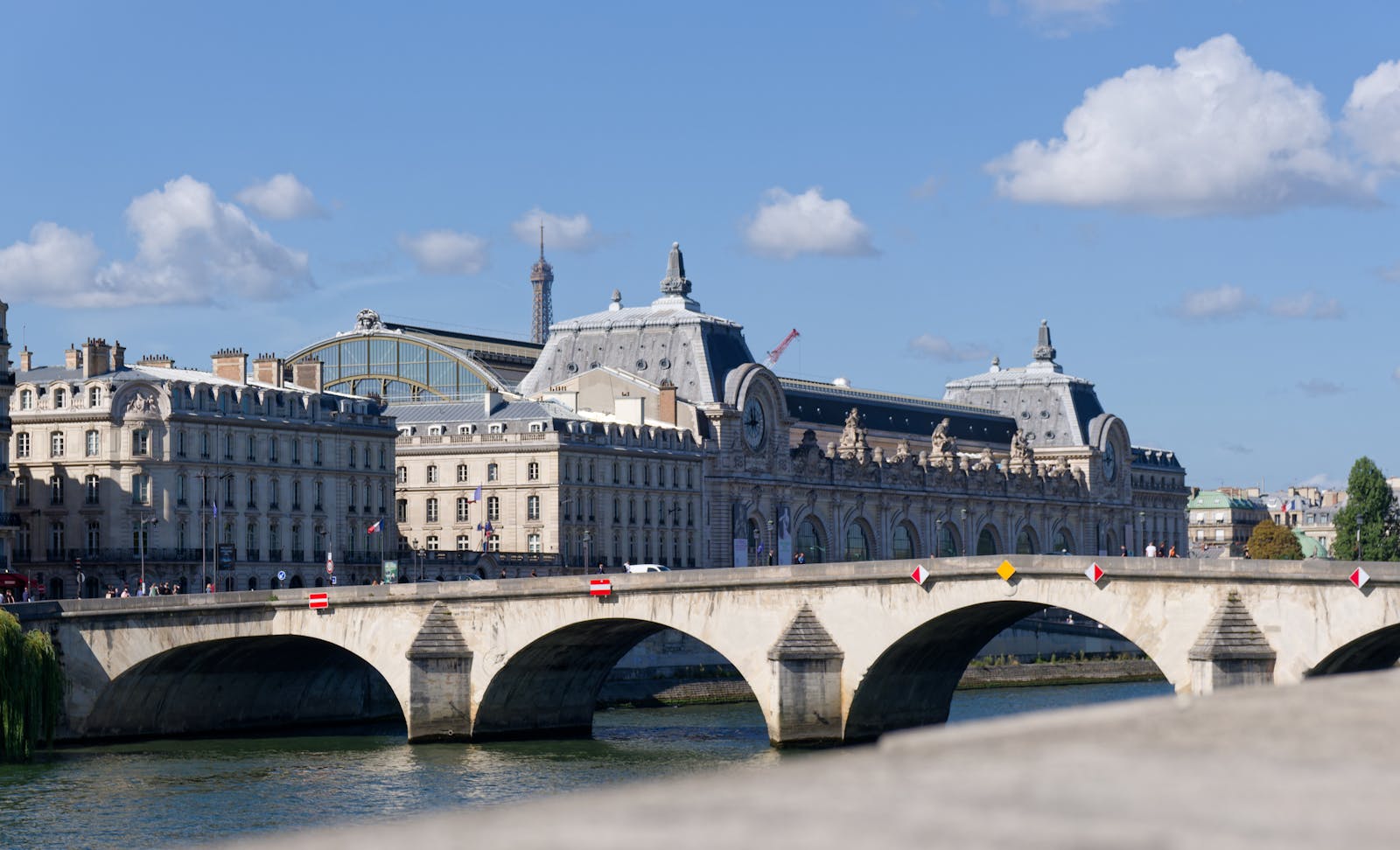
Orsay has the building. The museum is housed in the former Gare d’Orsay, a 1900 Beaux-Arts train station designed by Victor Laloux for the Universal Exposition. The building itself is one of the most beautiful interior spaces in Paris — a soaring iron-and-glass nave, original train station architecture preserved in the conversion, the famous fifth-floor clock that you can stand inside. Even if you didn’t care about the art (you should care about the art), the building alone is worth the $15 ticket.
Orsay is less crowded than the Louvre. This is the practical argument that should be enough on its own. Even on a busy summer day, Orsay has a fraction of the foot traffic of the Louvre. The galleries are narrow and intimate rather than vast and overwhelming, and you can stand in front of major Impressionist works without fighting through ten layers of travelers with selfie sticks. The Mona Lisa room at the Louvre has 500 people in it. The room with Van Gogh’s self-portrait at Orsay has 25 people in it. The difference is enormous.
The Four Best Orsay Ticket Options
Here are the four picks in order of overall review volume and quality, with honest notes on who each one is right for and where the trade-offs are.
1. Paris: Orsay Museum Entry Ticket
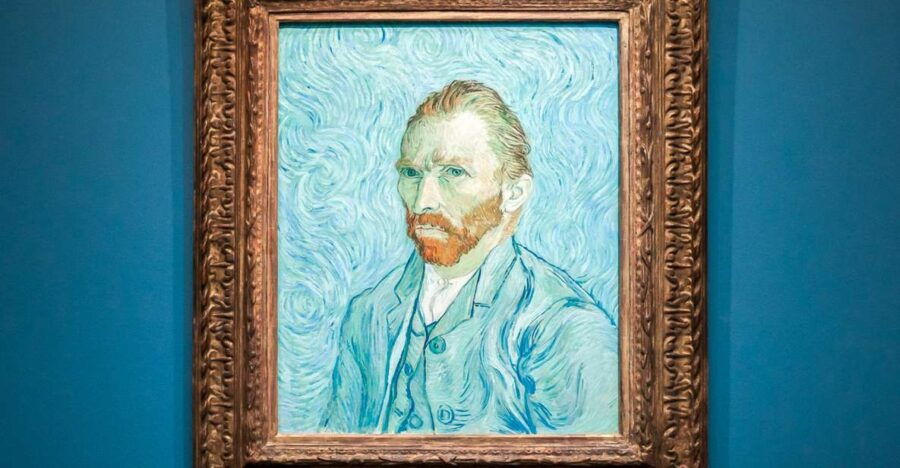
Price: From $15 per person • Duration: Valid all day • Rating: 4.7/5 (25,647+ reviews)
This is the default pick and it is correct for the overwhelming majority of Orsay visitors. 25,000+ reviews on a single product is genuinely staggering — for context, that’s more reviews than most major paid attractions in Europe — and the 4.7 rating is the highest of any major Paris museum ticket. The reviews praise three specific things repeatedly: the speed of entry, the quality of the museum itself, and the sheer value of $15 for what is arguably the best art collection in Europe.
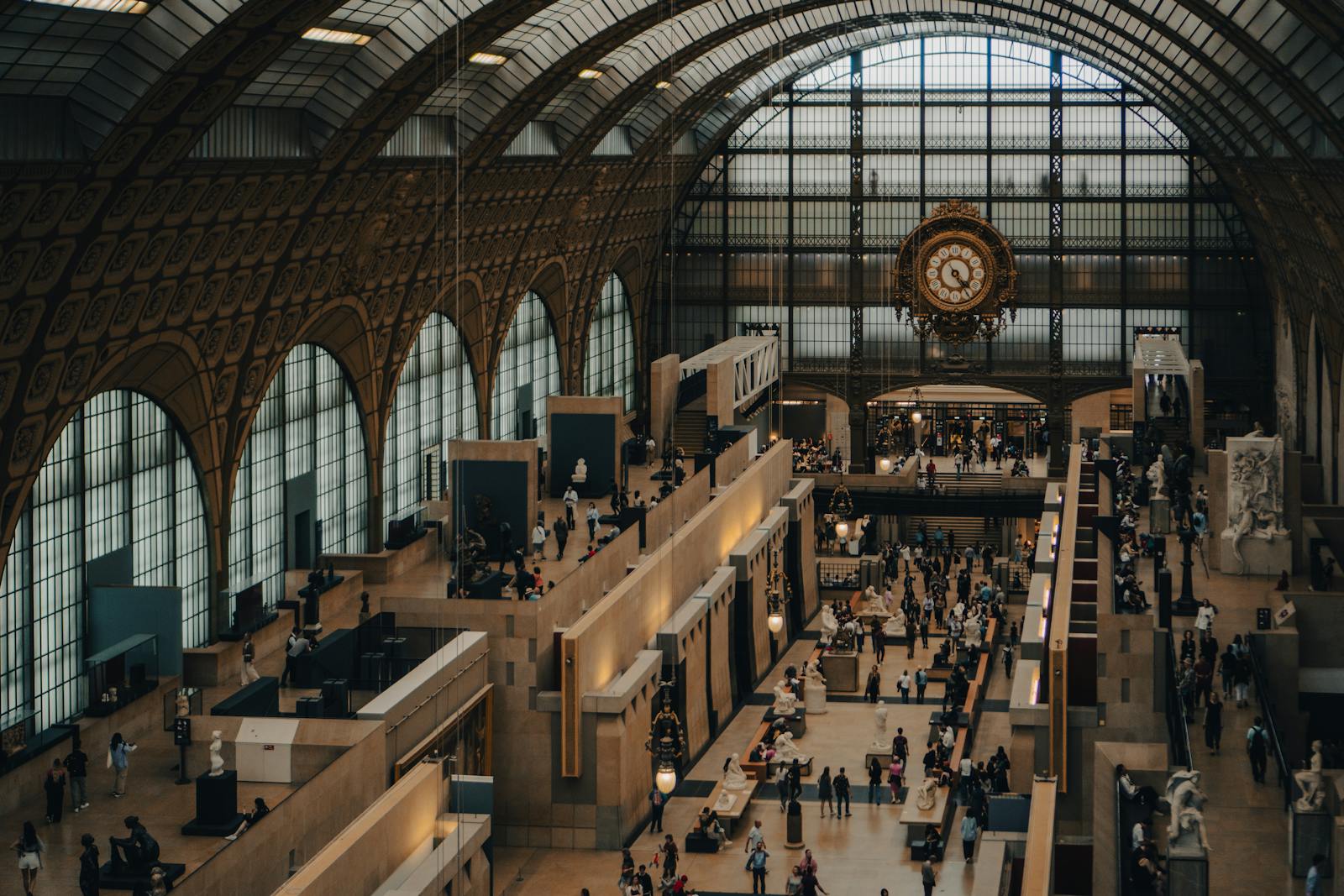
The ticket is timed-entry — you pick a 30-minute slot when you book — but the reviews note that the museum lets you in flexibly within a window of about an hour after your slot. Once inside, the ticket is valid for the entire day, so you can leave and come back if you want a coffee break across the street. The skip-the-line aspect is real and meaningful: the general admission line at Orsay can run 60-90 minutes in summer, while ticket holders walk straight in through a separate entrance.
What you don’t get with this ticket is any kind of guided context. You’re on your own with the audio guide (€6 extra at the entrance, or you can use the free official app on your phone) or just exploring. For most travelers, this is exactly right — the museum is small enough to navigate, the Impressionist galleries on the fifth floor are well-signposted, and the joy of Orsay is partly about being able to stop in front of a painting that catches your eye and stay there as long as you want without a guide moving the group along.
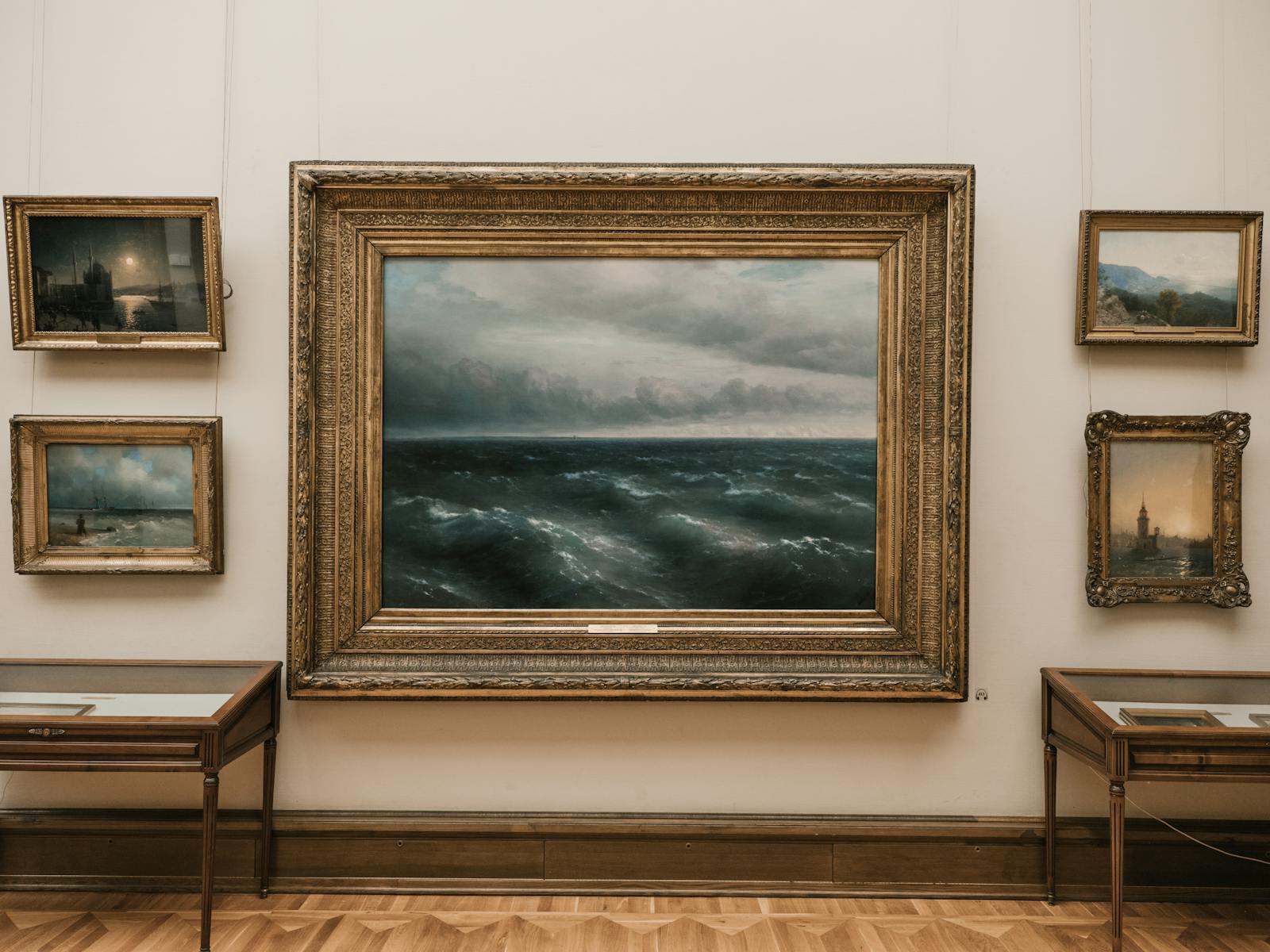
My honest advice: book this ticket, book the earliest morning time slot you can find (9:30am opening, most days), and head straight to the fifth-floor Impressionist galleries before the crowds arrive. That gallery is the absolute centerpiece of the museum and it benefits enormously from being seen with fewer people in it. After 90 minutes upstairs, work your way back down through the post-Impressionist section, then the sculpture gallery on the ground floor, and finish with the clock viewing on level five before you leave.
2. Orsay Museum Semi-Private 6 People Max Tour

Price: From $144.21 per person • Duration: 2 to 2.5 hours • Rating: 5.0/5 (904+ reviews)
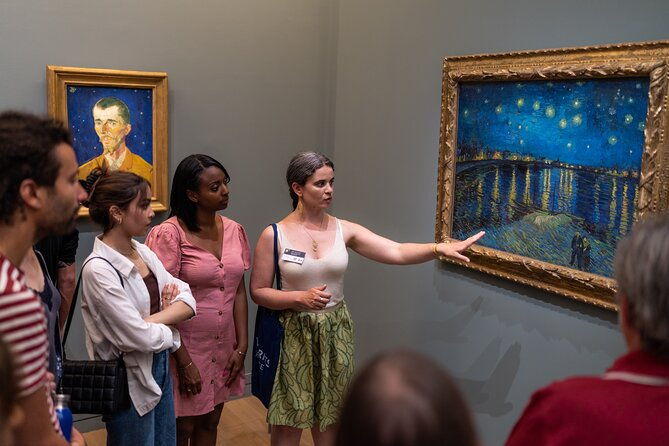
This is the premium option and the one I recommend to travelers who want a serious art history experience rather than a casual museum walk. The 6-person maximum group size is the key feature — most museum tours run 15 to 25 people, which makes the experience feel more like crowd control than education. With 6 people, the tour functions more like a private seminar where the guide can actually tailor the content to the group’s questions and interests.
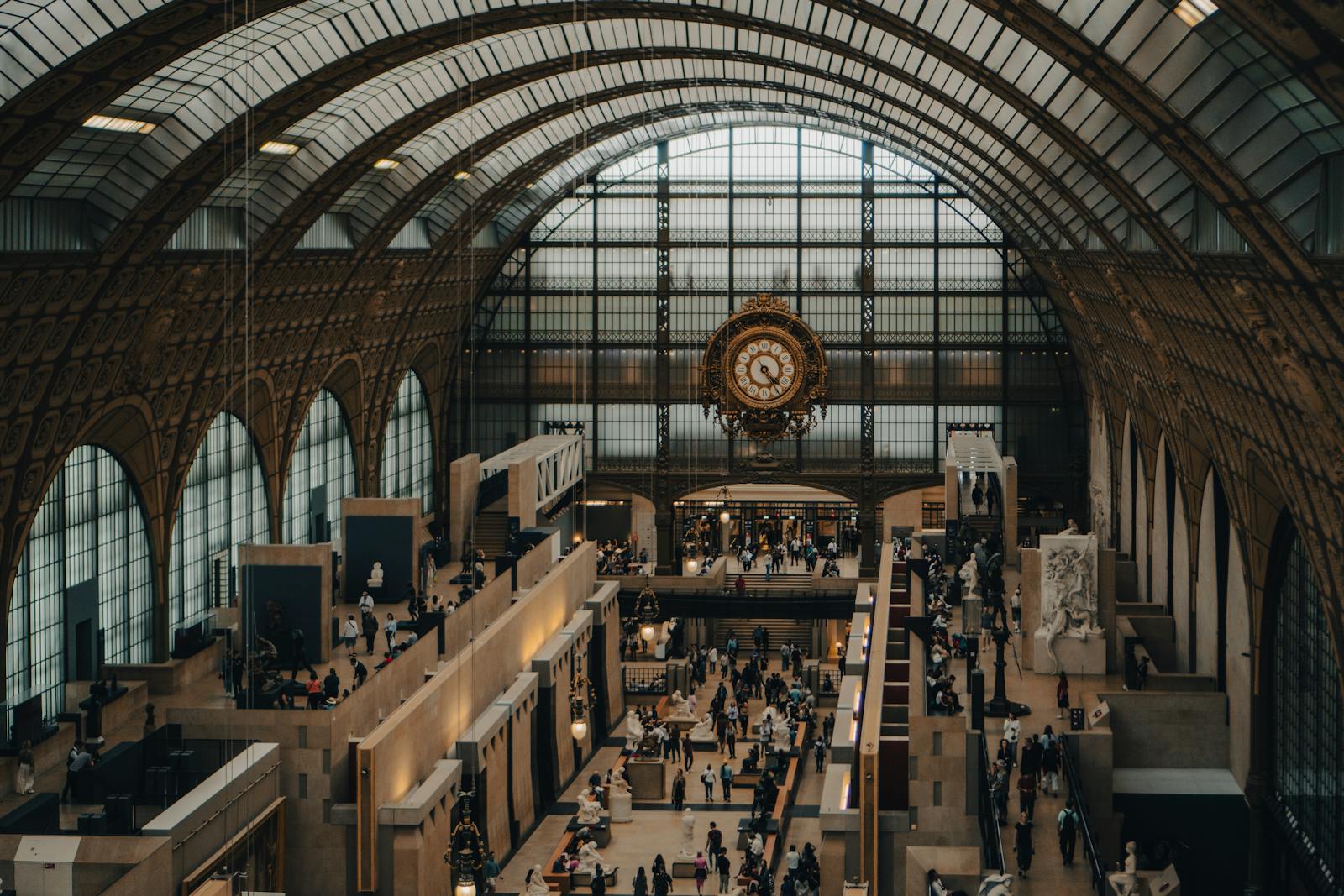
The 5.0-star rating across 900+ reviews is genuinely rare. The reviews specifically call out individual guides by name (Eduardo, Lily) and describe the tour as “informative and fun,” “small group of just 5 people,” and “the information gained is totally worth it.” That language matches my experience on premium small-group museum tours generally — you’re paying for someone who treats art history as a profession, not as a service-industry job, and the difference is obvious within the first 15 minutes.
The 2 to 2.5-hour duration is the right length for Orsay. Long enough to cover the Impressionist galleries properly, the post-Impressionist section, the major sculptures, and the building’s architecture. Short enough that you don’t burn out. The premium tour also includes reserved entry, which means you skip the security line and the timed-entry queue completely — your group walks in through a dedicated entrance and you’re at the first painting within five minutes of meeting your guide.
Who should book this: travelers with a genuine interest in Impressionism and 19th-century art, anyone who has been to Orsay before on a self-guided visit and wants to understand it more deeply, art history students, couples on special trips, and families with older teens who want substantive context rather than crowd-pleaser facts. Who should skip it: budget travelers, families with young kids (the pace will lose them), and anyone who just wants to see the famous paintings and leave (Tour #1 does that for $129 less).
3. Orsay Museum Skip-the-Line Impressionists Guided Tour
Price: From $67.60 per person • Duration: 1 hour 45 minutes • Rating: 4.5/5 (1,145+ reviews)
This is the mid-range pick and the right call for travelers who want guided context for the most important rooms but don’t need a full premium experience. At $68 it’s roughly $50 above the basic ticket and $76 below the premium tour, which is a logical step-up for anyone who wants the Impressionist galleries explained but isn’t ready to commit to a half-day art history seminar.
The tour focuses specifically on the fifth-floor Impressionist galleries, which is the right call for time efficiency. You spend the entire 1 hour 45 minutes on the museum’s most important section rather than trying to cover the whole collection in a rushed walkthrough. The guide takes you through the major works — Monet’s series paintings, Van Gogh’s self-portraits and “Starry Night Over the Rhône,” Renoir’s “Bal du Moulin de la Galette,” Degas’s dancers — with focused commentary on each artist and the broader Impressionist movement. After the guided portion ends, your ticket remains valid all day so you can explore the rest of the museum at your own pace.
The reviews specifically praise the guide quality and the “right balance of hitting the highlights for the time spent.” This is meaningful — the failure mode for guided museum tours is rushing the group through too many works without time to actually look at them, and this tour appears to have calibrated the pace correctly. Group sizes are typically 15 to 20 people with audio earpiece systems, which is fine for hearing the guide but less personal than the 6-person semi-private option.
Book this tour if: you want guided context for the Impressionist masters without committing more than two hours, you’re traveling on a budget that can stretch to $68 but not $144, or you’ve been to Orsay before and want a focused refresher on the headline section. Skip it if: you want depth and small group quality (Tour #2 wins) or you want maximum freedom to explore at your own pace (Tour #1 wins).
4. Paris: Orsay Museum Entry Ticket and Digital Audio Guide App
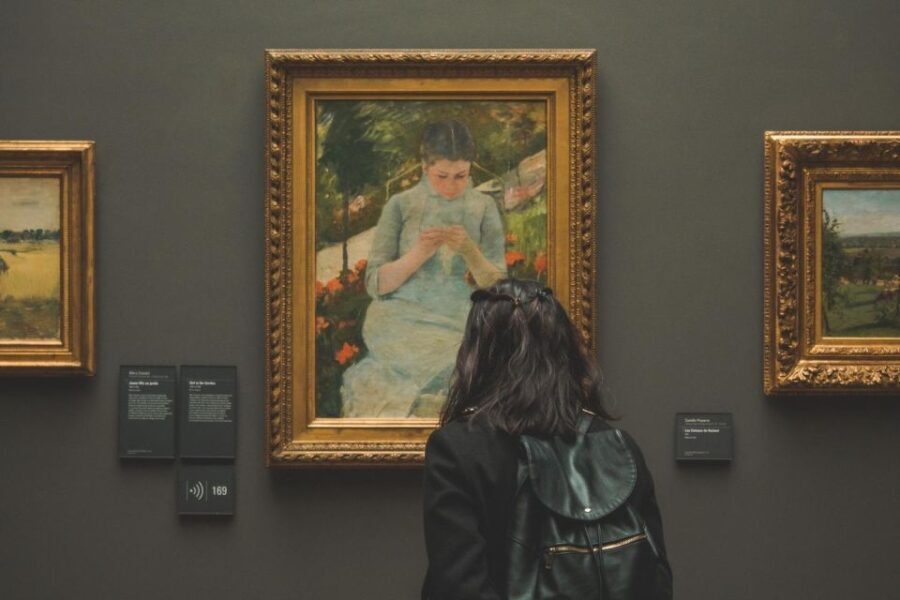
Price: From $31 per person • Duration: Valid all day • Rating: 4.4/5 (3,170+ reviews)
This is the entry ticket from option #1 bundled with a digital audio guide app you download to your phone. At $31 it’s twice the price of the basic ticket, and the question is whether the audio guide is worth the upgrade. The honest answer is: probably not, for most travelers, but there are specific cases where it makes sense.
The reviews highlight a real issue: “Many of the famous paintings on the second floor were not in the digital guide.” This is a recurring complaint and matches the limitation of pre-recorded audio guides generally — they cover a fixed set of works and skip a lot of what visitors actually want to know about. The Orsay museum’s free official app (downloadable from the official musee-orsay.fr website) covers a similar set of works for free, which makes the $16 markup over the basic ticket genuinely hard to justify.
Where this option does make sense: if you’re a first-time visitor to Paris who isn’t comfortable navigating the official app store on a foreign network, who wants the audio guide pre-installed and ready to go, and who doesn’t mind paying a small premium for that convenience. It’s also a reasonable choice for travelers who want some guided context but don’t want to commit to a group tour. For everyone else, buy the basic ticket (option #1) and download the free official app.
Book this if: you want an audio guide and don’t want to fiddle with downloading the free official app, or if you’re traveling without a smartphone and need rented audio equipment (rare but possible). Skip it if: you have a smartphone and basic technical comfort (the free official app is just as good), or if you want a guided experience (Tours #2 and #3 are vastly better).
What the Visit Actually Looks Like
Whichever ticket you book, here’s the realistic arc of an Orsay visit, which is usefully different from a Louvre visit because the museum is smaller and easier to navigate.
Entry and orientation. The main entrance is on the Rue de la Légion d’Honneur, on the river side of the building. There are two entry doors — one for ticket holders (Entrance A) and one for general admission (Entrance C). With a pre-booked ticket you go to Entrance A, where the line is rarely more than 5 minutes even in peak season. Inside, you’ll go through security (bag check, no full airport-style scanning) and then enter the main hall.
The main hall is the orientation moment. When you walk into the main hall for the first time, stop and look up. The vaulted iron-and-glass ceiling, the natural light flooding the space, the rows of 19th-century sculpture along the central aisle — this is the “wow” moment that most visitors don’t expect. Take a minute to absorb it. Most first-timers don’t realize that the building itself is half the experience until they’re standing in this space.
Head straight to the fifth floor. The single best move in Orsay is to take the elevator or escalator straight up to the fifth floor as soon as you enter. The fifth floor holds the Impressionist galleries — the absolute heart of the museum and the rooms with the most famous paintings — and they get progressively more crowded throughout the day. The rooms are smaller and more intimate than you’d expect, and being there with 30 other people instead of 200 is the difference between a peaceful viewing and a frustrated shuffle.
The Impressionist galleries. The fifth floor is laid out chronologically and by artist, with rooms dedicated to Monet, Renoir, Manet, Degas, Cézanne, Pissarro, Sisley, and Berthe Morisot. The Monet room is usually the most crowded because of the famous water lily paintings and the haystacks series. Spend at least 10 minutes in front of “Bal du Moulin de la Galette” by Renoir — it’s smaller than you expect, and the way Renoir handled the dappled sunlight is one of those things that has to be seen in person to actually work. Plan for 60 to 90 minutes on the fifth floor alone.
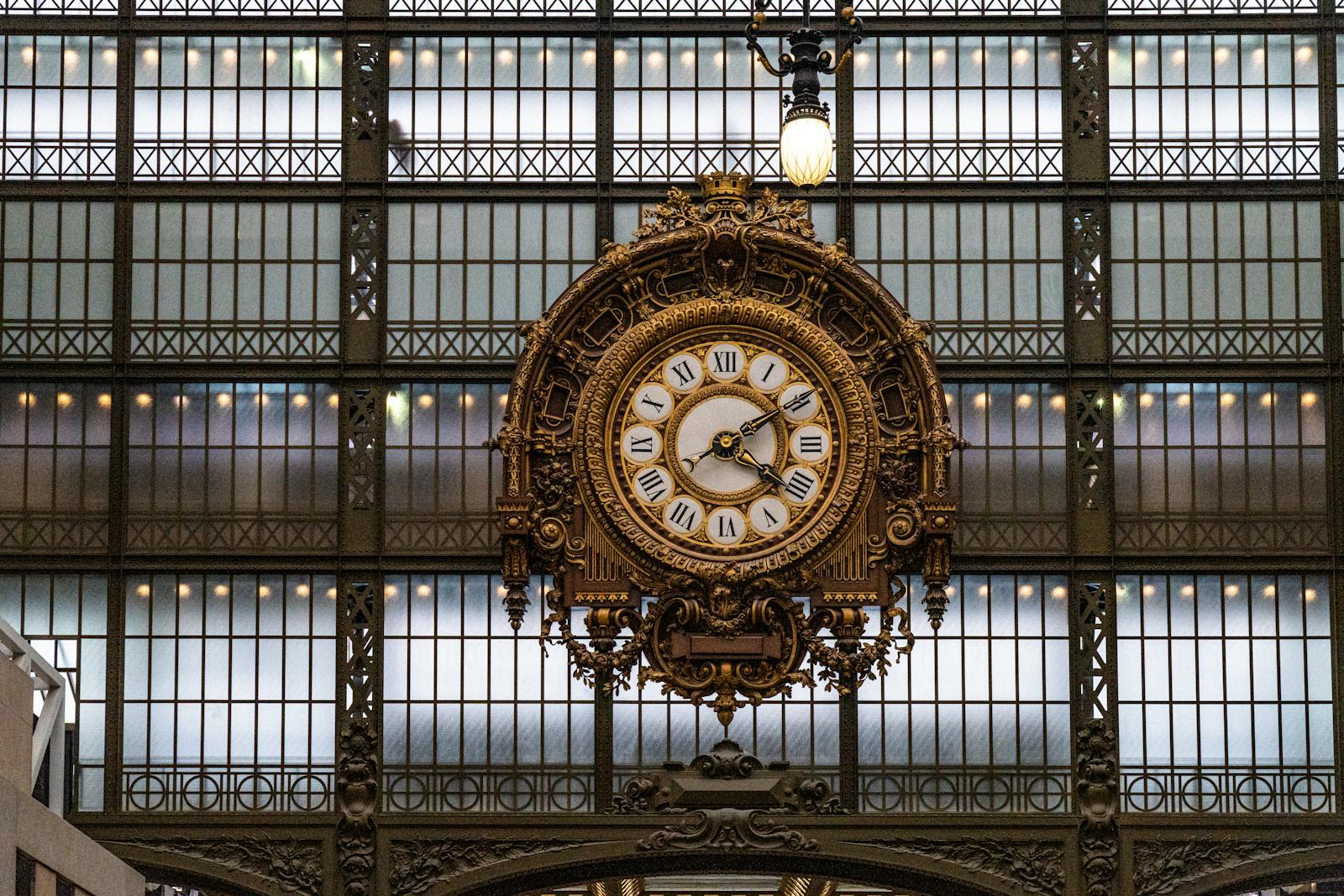
The clock viewing. Before you leave the fifth floor, walk to the small balcony area near the cafe (Café Campana) and find the giant glass clock face. You can stand inside the clock and look out across the Seine and the Right Bank — the Tuileries directly across the river, the Louvre to the east, the Sacré-Cœur on the hill in the distance. There’s a small bench area that’s perfect for the silhouette photo (just stand in front of the clock and have a friend take the photo from inside the gallery looking back at you). This view is one of the small unexpected joys of Paris and it’s genuinely free.
Working back down. After the fifth floor, work your way back down through the museum. The fourth floor has more 19th-century painting and the post-Impressionist section (Van Gogh, Gauguin, Toulouse-Lautrec). The mezzanine levels have decorative arts and Art Nouveau furniture from the 1890s. The ground floor has the major 19th-century sculpture collection and the academic painting galleries that everyone tends to skip but that are genuinely worth 30 minutes if you have the energy.
Exit and timing. A typical Orsay visit takes 2 to 3 hours for someone moving at a comfortable pace. If you want to see everything seriously, plan for 4 hours. If you only have an hour, focus exclusively on the fifth-floor Impressionist galleries and the clock view — you can do those two things and feel like you’ve been to Orsay even on a tight schedule.
A Quick Historical Frame
The Musée d’Orsay has one of the most interesting building stories of any museum in the world. It started as a train station — the Gare d’Orsay — built for the 1900 Paris Universal Exposition and designed by architect Victor Laloux in the Beaux-Arts style. The building was deliberately ornate to fit in with the surrounding upscale neighborhood, including the Louvre directly across the river, and the iron-and-glass interior was a deliberate showcase of late-19th-century French engineering capability.
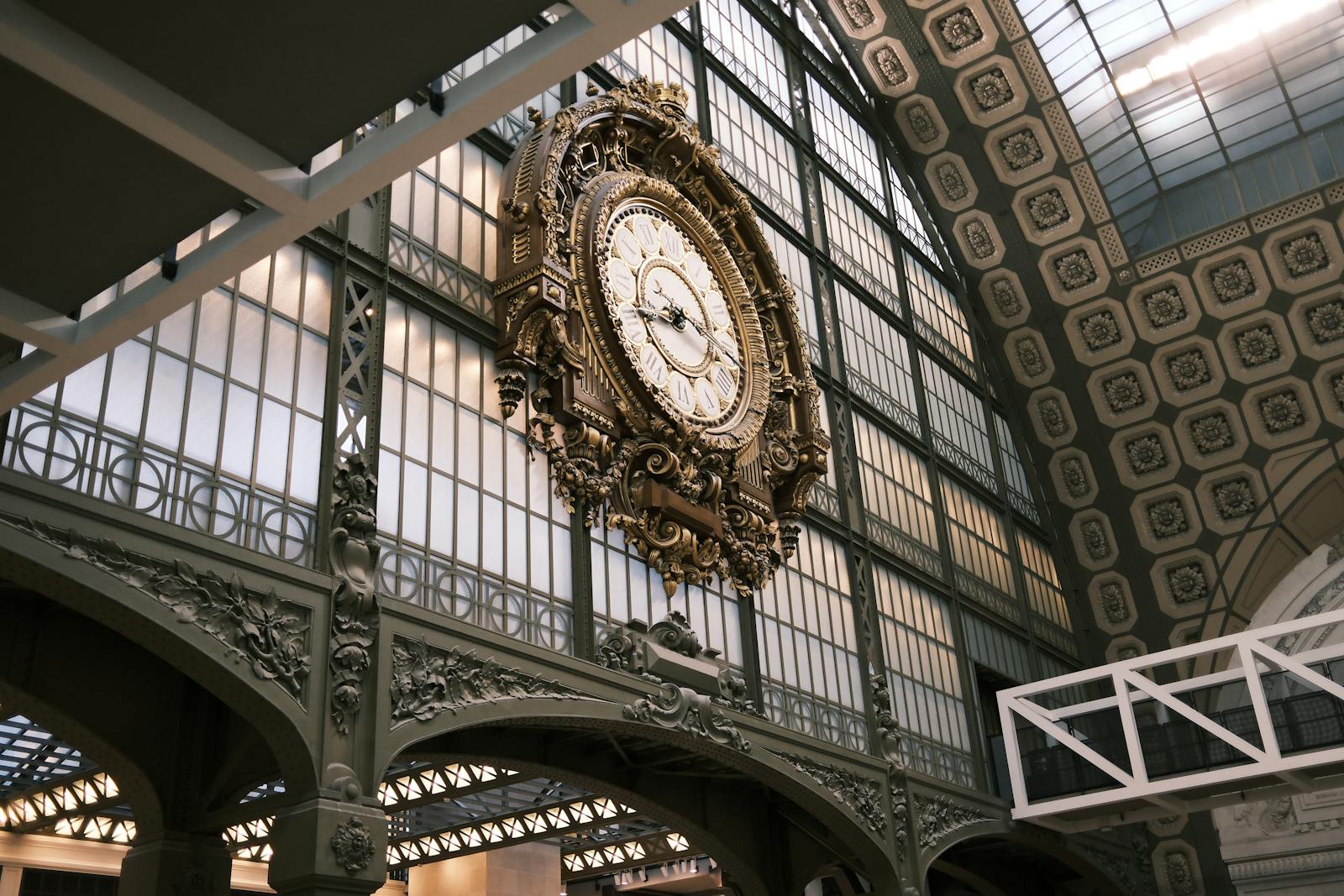
It functioned as a train station from 1900 to 1939, but its useful life as a station was brief. The platforms were too short for the longer trains that came into use in the 1930s, and after World War II the station was used for various purposes (mail processing, a film set, a temporary auction house) before being threatened with demolition in the 1970s. The campaign to save the building was led by French intellectuals and architectural historians who saw it as one of the great surviving examples of 19th-century iron architecture, and the decision to convert it into a museum was made by President Valéry Giscard d’Estaing in 1977.
The conversion took nine years and was overseen by the Italian architect Gae Aulenti, whose design preserved the original station hall and clock features while inserting modern museum infrastructure (climate control, security, gallery walls) underneath. The museum opened in December 1986 with the brief of housing French art from 1848 to 1914 — the “missing period” between the Louvre’s collection (which ended around 1850) and the Centre Pompidou’s collection (which began around 1914). The chronological boundary was deliberately drawn to give Orsay the entire Impressionist and Post-Impressionist period as its core identity.
The Impressionist collection at the heart of Orsay was actually built up over a much longer period than the museum itself. Most of it came from the Jeu de Paume museum in the Tuileries, which had been showing Impressionist works since 1947 but was too small to display the full collection. When Orsay opened in 1986, the entire Jeu de Paume Impressionist collection moved across the river, and Orsay instantly became the world’s most important Impressionist museum. The collection has grown since then through acquisitions and donations, but the core works are the ones the French state has been collecting since the late 19th century, when most other countries weren’t taking Impressionism seriously yet.
When to Go
The Orsay calendar is significantly more forgiving than the Louvre calendar but still has clear sweet spots and danger zones.
Day of week. The museum is closed on Mondays. That makes Tuesday mornings the worst day because the Monday-closed crowd doubles up. Wednesday, Thursday, and Friday mornings are the best windows. Saturdays and Sundays are crowded but more manageable than the Louvre on the same days because Orsay’s overall foot traffic is lower.
Time of day. The first 90 minutes after the 9:30am opening are noticeably quieter than the rest of the day. By 11am the fifth floor is busy. By 1pm the entire museum is at peak capacity. The other strong window is Thursday evenings — Orsay stays open until 9:45pm on Thursdays, and the 6pm to 9pm slot is genuinely peaceful because most travelers have left for dinner. The Impressionist galleries at 7pm on a Thursday are one of the underrated experiences in Paris.
Season. September through May is the sweet spot — manageable crowds, comfortable temperatures, and the museum’s full schedule of temporary exhibitions usually lines up with these months. June through August is peak season, with crowds that are uncomfortable in the smaller fifth-floor galleries. November through February is the quietest time, with the trade-off being grey weather outside and shorter days for combining the museum with other Paris activities.
Special events. Orsay regularly hosts major temporary exhibitions on specific Impressionist or Post-Impressionist artists — past shows have included blockbuster Van Gogh, Cézanne, and Manet retrospectives. These exhibitions add €5 to €10 to the ticket price and dramatically increase visitor numbers. Check the official musee-orsay.fr website to see what’s running during your dates — if a major exhibition is on, book the earliest morning time slot and head straight to the exhibition before doing anything else.
Avoid: Mondays (closed), Tuesday mornings in summer (Monday overflow + tour buses), free entry days (first Sunday of each month, October through March, draws huge local crowds), and the day after any major French public holiday.
Practical Tips Nobody Tells You
The clock is on level 5, near Café Campana. First-time visitors routinely miss the famous clock because they don’t know where it is. From the fifth-floor Impressionist galleries, walk toward the cafe at the end of the hall — the giant clock face is in a small alcove just to the left. There’s actually a second clock on the same level, slightly smaller, on the opposite side of the building. Both are worth a visit.
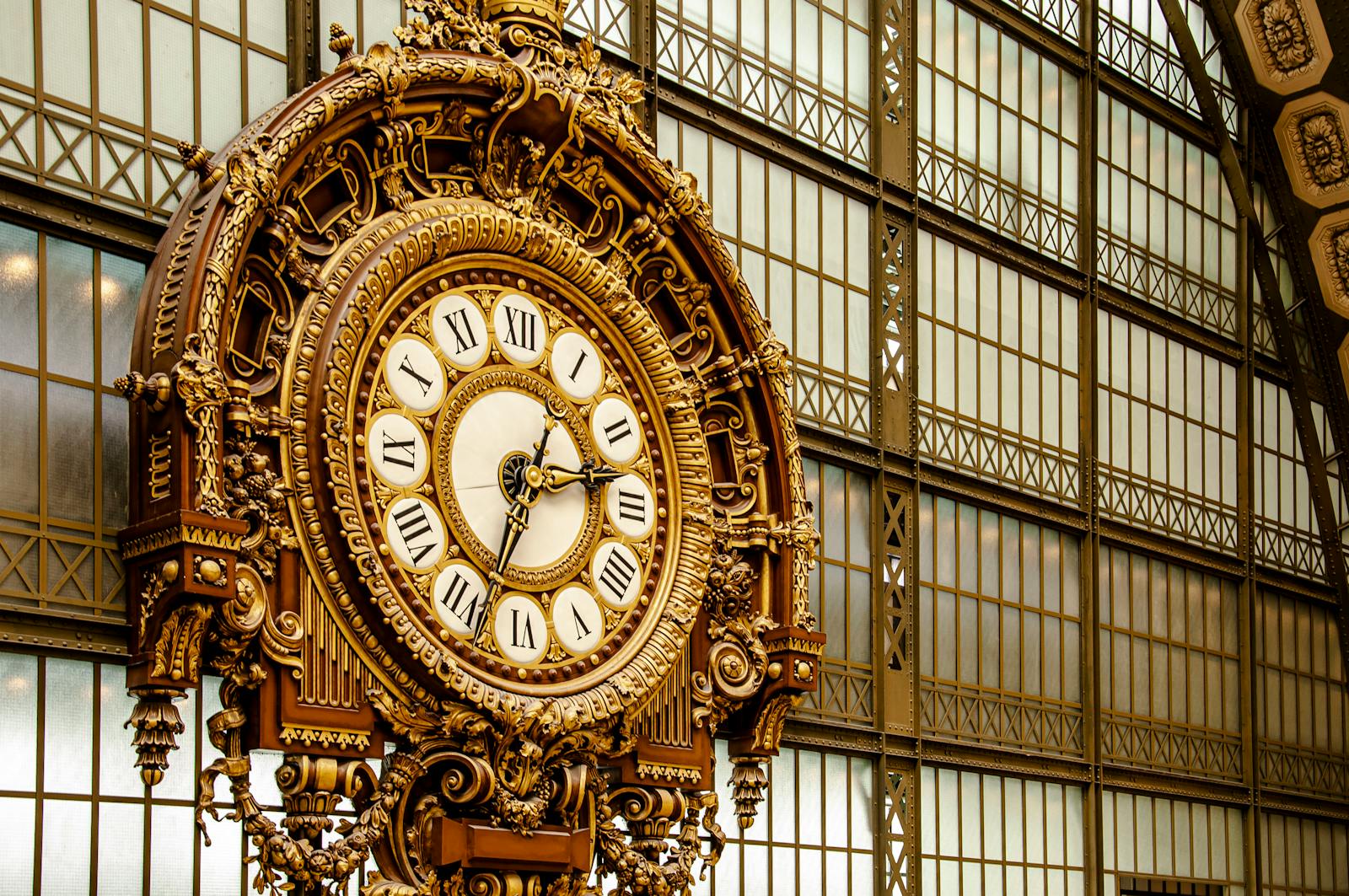
The fifth-floor Café Campana is genuinely good. Most museum cafes are bad. Café Campana is a notable exception — designed by the Brazilian Campana brothers in a sci-fi Art Nouveau style, with a real menu of French dishes at reasonable (for Paris) prices, and a view through the large glass clock window. It’s a legitimate lunch destination, not just a tourist trap. Book a table in advance for weekends.
Photography is allowed without flash. You can photograph almost everything in the museum’s permanent collection. Flash is banned to protect the paintings (some Impressionist works are sensitive to light). Most phone cameras handle the gallery lighting fine. Tripods are not allowed but selfie sticks are tolerated.
The museum’s official app is free and good. Download the official Musée d’Orsay app from the App Store or Google Play before your visit. It includes a free audio guide with commentary on the major works, a navigation map of the museum, and a “highlights” tour that walks you through the 30 most important pieces in roughly 90 minutes. Skip the paid audio guide app — the official one is better and free.
The locker system is free. Cloakrooms on the ground floor are free and accept bags up to about 30 cm in any dimension. If you’re traveling with a daypack or a coat in winter, drop them off before you start your visit — the lockers are quick and the difference between exploring with luggage and exploring unburdened is substantial.
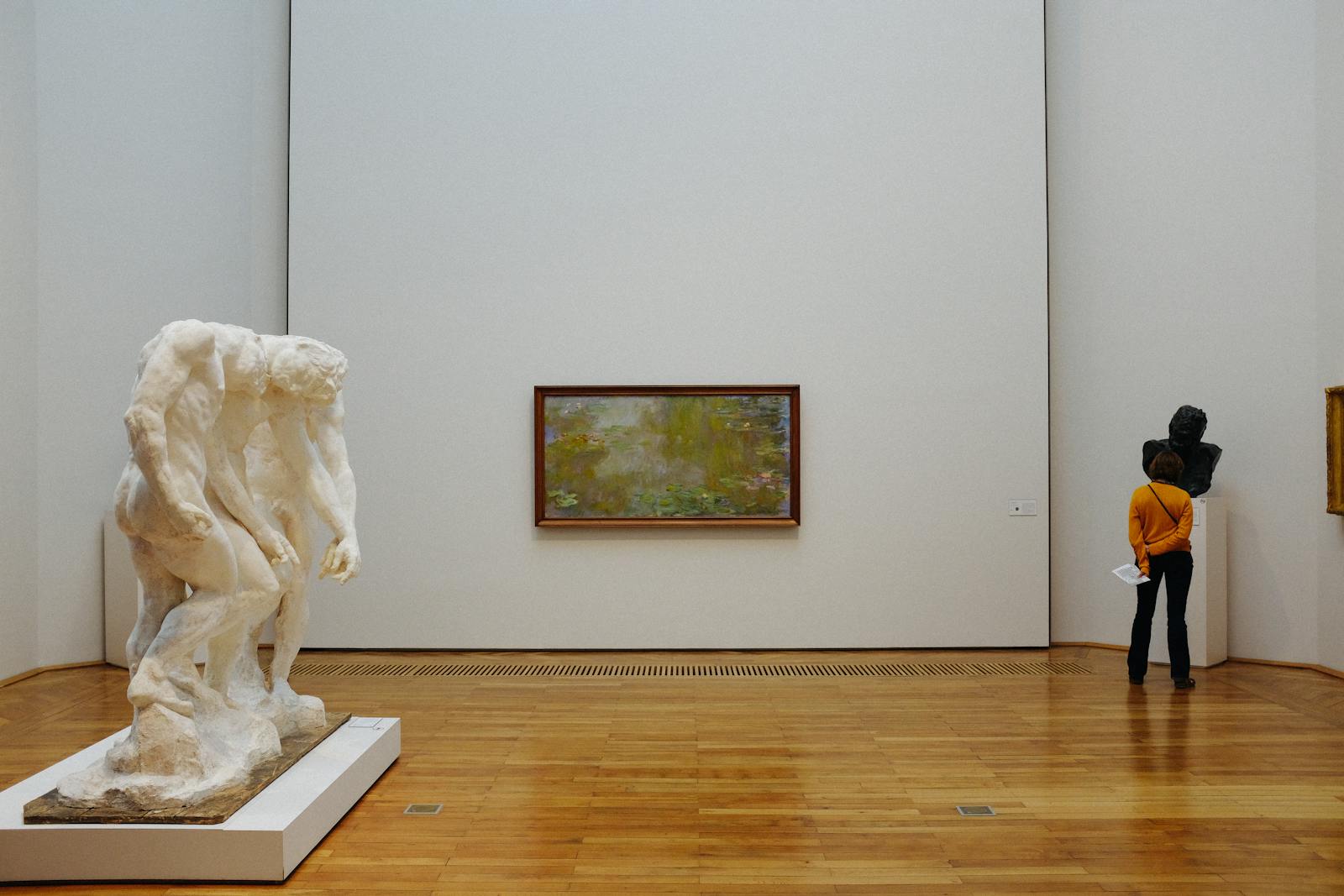
The combo ticket with the Orangerie is worth it. If you have time, the Musée de l’Orangerie (across the river in the Tuileries) houses Monet’s enormous “Water Lilies” panels in two oval rooms designed specifically for them. A combo ticket covers both museums and is significantly cheaper than buying them separately. The Orangerie is small (you can do it in 90 minutes) and the Water Lilies experience is genuinely overwhelming.
Don’t try to see everything in one visit. Orsay has 4,000 works on display. You will not see them all. You will not even see most of them. Focus on the fifth-floor Impressionists, the post-Impressionist section, the major sculptures in the central nave, and the clock view. That’s enough for a great visit. Leave the rest for next time.
More Paris Guides
Orsay pairs naturally with the other essential Paris museums and monuments. If you’re stacking museum visits, the classic combination is a morning at the Louvre followed by an afternoon at Orsay — opposite sides of the Seine, opposite ends of art history (the Louvre runs from antiquity to 1850, Orsay picks up from 1848 to 1914), and the contrast between the two museums teaches you more about the history of European art than either museum alone.
For the other essential Paris monuments, my Arc de Triomphe rooftop ticket guide covers the best rooftop view in the city (and it’s a 25-minute walk from Orsay if you want to combine them in a day), and the Eiffel Tower tickets guide is coming next. If you’re combining museum days with Seine-side activities, my Paris Seine river sightseeing cruise guide walks through the daytime cruise options that let you see the Orsay from the water.
For travelers building a packed Paris itinerary, a great structure is: morning at the Louvre, lunch at a bistro in the Marais, afternoon at Orsay (which is right across the river), and a Seine dinner cruise in the evening. If you want to escape the city entirely after a museum-heavy day, my Versailles day trip guide covers the four best palace day trips. The Giverny Monet house day trip guide is coming next and is the perfect companion to an Orsay visit — see the paintings at Orsay in the morning, visit the gardens where Monet painted them the next day.
See Also — Latest Paris & France Guides: Eiffel Tower tickets guide, Normandy D-Day beaches guide, French Riviera day tours guide, Paris food tours guide, Palais Garnier tickets guide, Mont Saint-Michel day trip guide, Paris Catacombs tickets guide, Sainte-Chapelle tickets guide, Montmartre walking tours guide, Giverny Monet day trip guide, Paris hop-on hop-off bus tours guide, Loire Valley castles day trip guide, Moulin Rouge cabaret shows guide, Saint-Emilion and Bordeaux wine tours guide, Disneyland Paris tickets guide, Paris bike tours guide.