
The Louvre is the world’s most visited museum, which means two things: the art is extraordinary, and the logistics are miserable. On any given summer day, roughly 30,000 people push through the main pyramid entrance, the Mona Lisa room has a line that loops back on itself like a theme park queue, and first-time visitors routinely spend more time waiting in lines than looking at paintings. It doesn’t have to be this way.
The difference between a great Louvre visit and a terrible one is almost entirely about preparation. Your choice between a skip-the-line ticket, a guided tour, a small-group tour, or a private guide depends on who you’re traveling with, how much time you have, and how much you actually want to understand what you’re looking at versus just ticking the Mona Lisa off the list. I’ve done the Louvre four times now — once badly with a walk-up ticket, twice with guided tours, and once with a private guide — and I’m going to walk you through the four best options on the market so you can pick the right one for your trip.
This guide covers the four most-booked Louvre tours with honest notes on who each one is right for, what you get for the price, and the specific trade-offs between going with a group and going it alone. I’ve also included the practical stuff nobody mentions until you’re already inside — which entrance to use, when the Mona Lisa room is survivable, which wings are worth prioritizing, and how to plan a visit that doesn’t end with you wandering lost through Mesopotamian antiquities at 4pm wondering where the exit is.
- Quick Picks
- Why You Almost Certainly Need a Tour
- The Four Best Louvre Tours
- 1. Louvre Museum Masterpieces Guided Tour with Reserved Access
- 2. Louvre Museum Exclusive Guided Tour with Reserved Entry
- 3. Louvre Museum Skip-the-Line Small Group Guided Tour
- 4. Louvre Museum Skip-the-Line Highlights Tour with Mona Lisa
- What the Visit Actually Looks Like
- A Quick Historical Frame
- When to Go
- Practical Tips Nobody Tells You
- More Paris Guides Coming Up
Quick Picks
Best premium experience: Louvre Museum Exclusive Guided Tour with Reserved Entry — a small-group guided tour with a perfect 5.0 rating across 6,000+ reviews. More expensive at $181, but the quality of the guides and the pacing is a different tier from the budget tours.
Best mid-range pick: Louvre Museum Skip-the-Line Small Group Guided Tour — small-group format (capped at 20 people), 4.6 rating from 4,200+ reviews, $129. The sweet spot between the budget and premium options.
Why You Almost Certainly Need a Tour
Let me make the case directly. The Louvre is the only museum in Paris where I will confidently tell a first-time visitor to buy a guided tour rather than a DIY ticket, and there are four specific reasons.
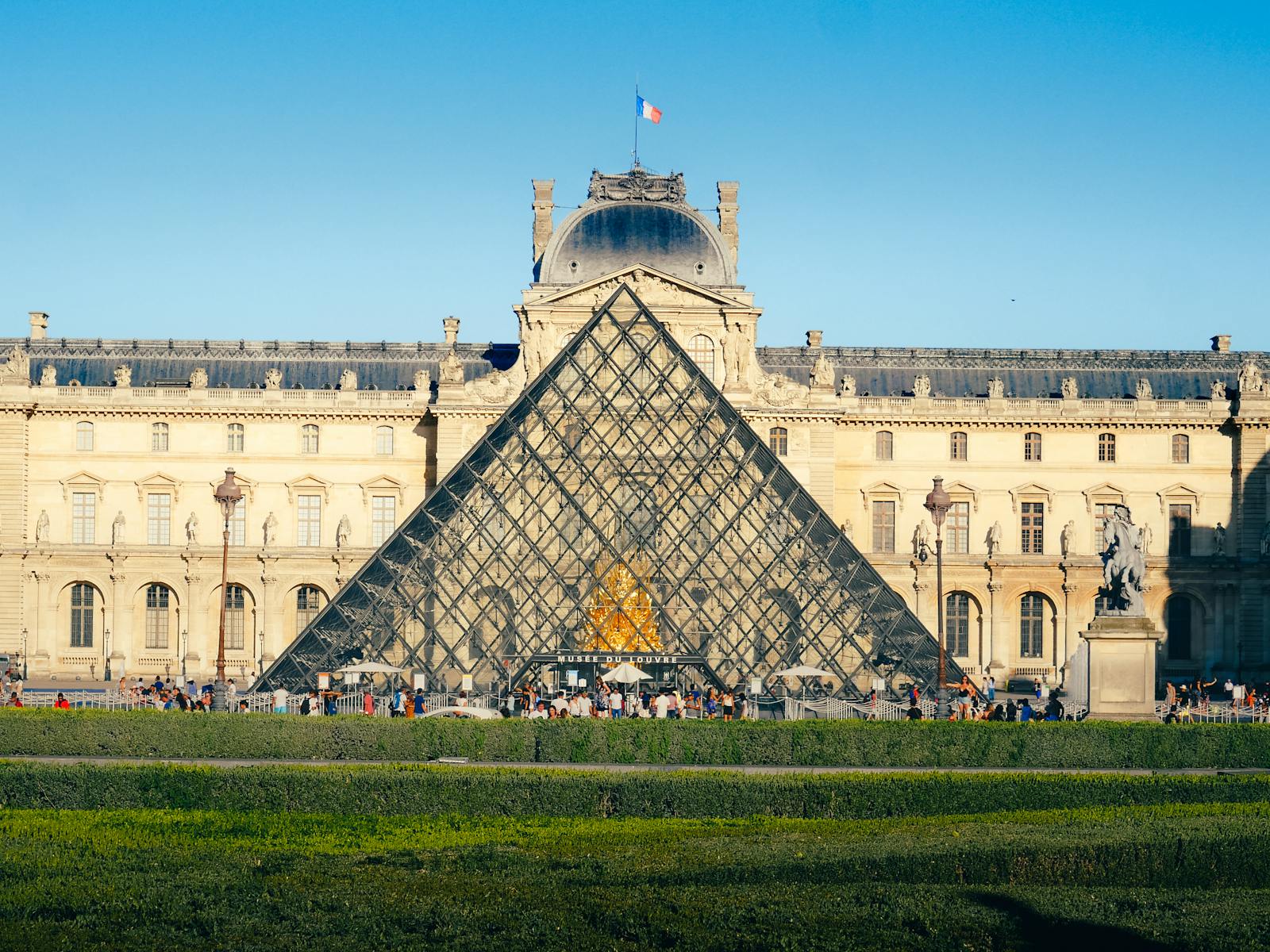
The size problem. The Louvre is enormous. 35,000 objects on display. 72,000 square meters of gallery space. If you walked past every piece of art and spent just 30 seconds looking at each, it would take over 100 hours to see it all. Nobody does that. First-time visitors routinely walk in with no plan, wander for four hours, see maybe 10% of the museum, miss half the pieces they wanted to see, and leave exhausted and confused. A guide cuts straight to the 30 or 40 pieces that actually matter on a first visit and gives you the context to understand why they matter.
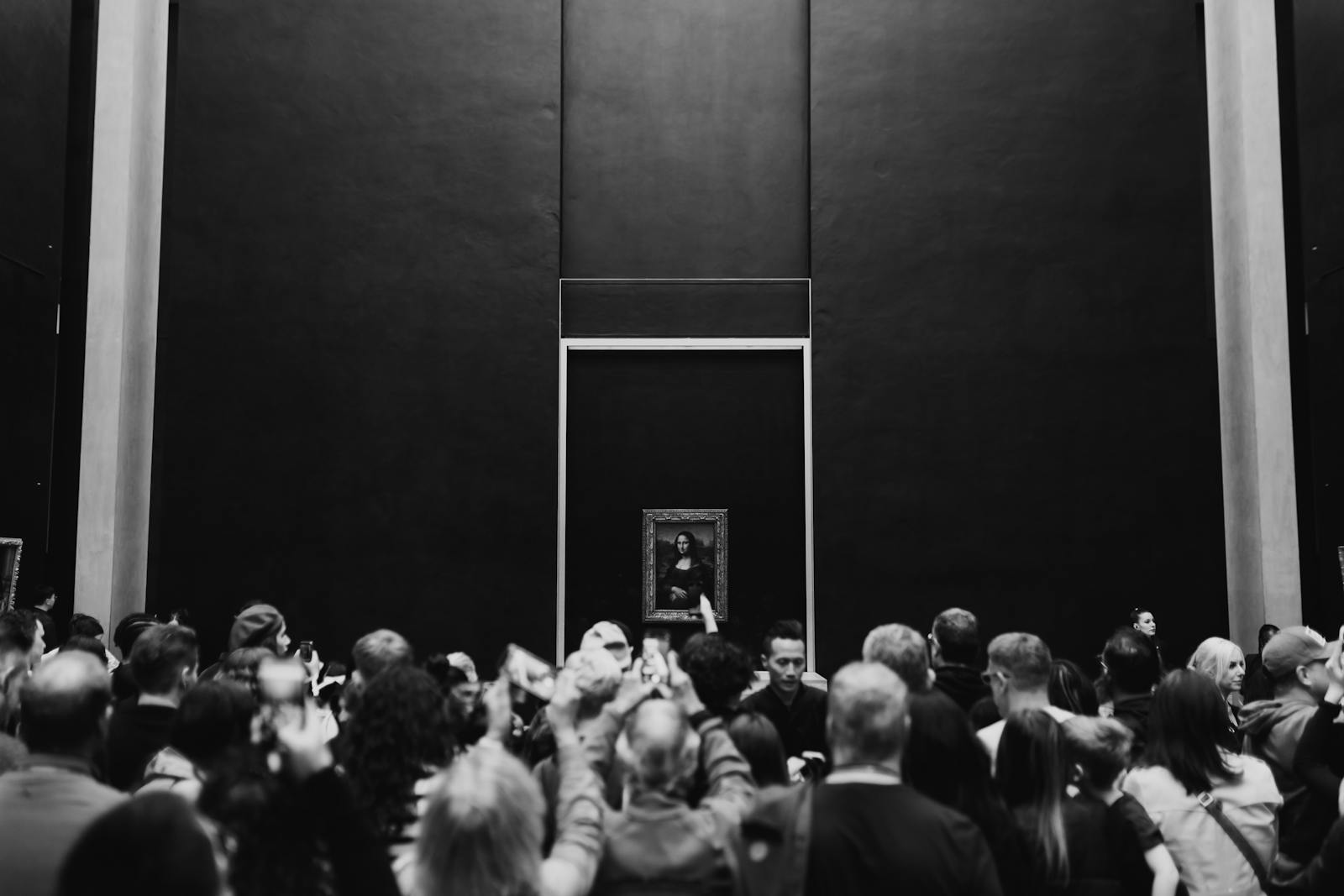
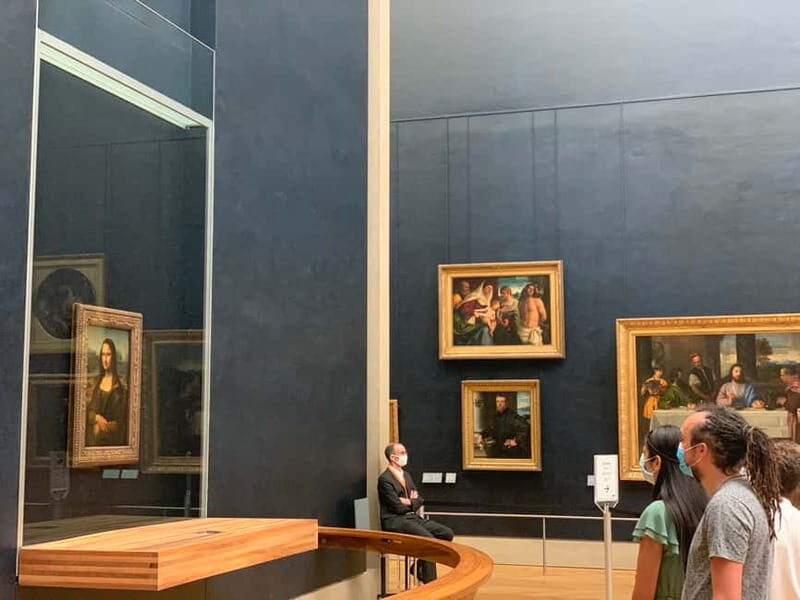
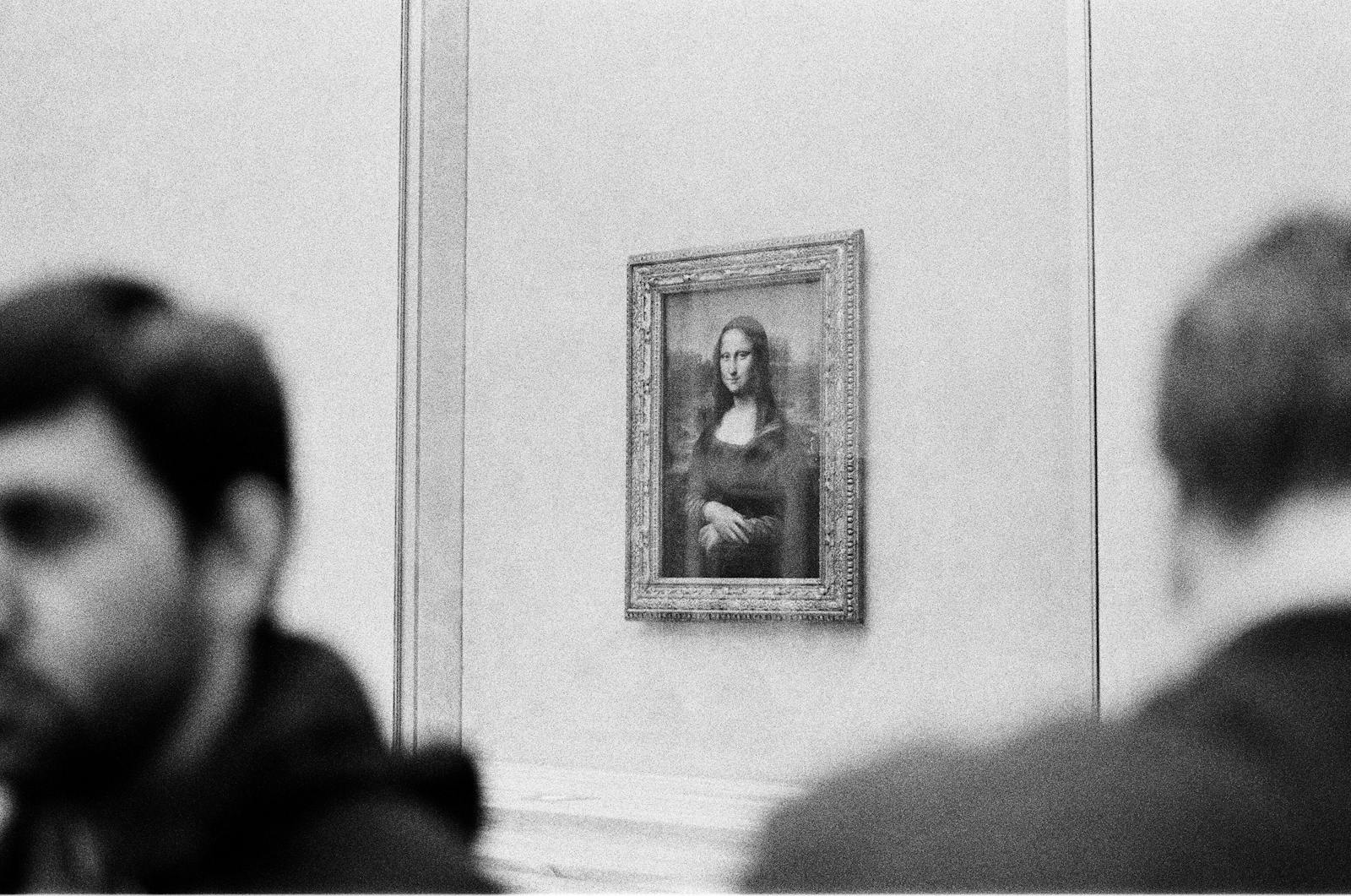
The Mona Lisa problem. Here’s what nobody tells you about the Mona Lisa room: it is always, always crowded. Even at 9:15am on a January Tuesday, there will be 200 people in front of the painting. In summer, the crowd is 500+ and the line to get close to the painting takes 45 minutes. Guided tours either enter through the gallery’s “priority” side entrance (which doesn’t skip the crowd but does skip some of the wait) or they time the visit strategically to hit it during a brief lull. A DIY visitor shows up, joins the back of the line, and spends an hour of their museum visit staring at the back of strangers’ heads.
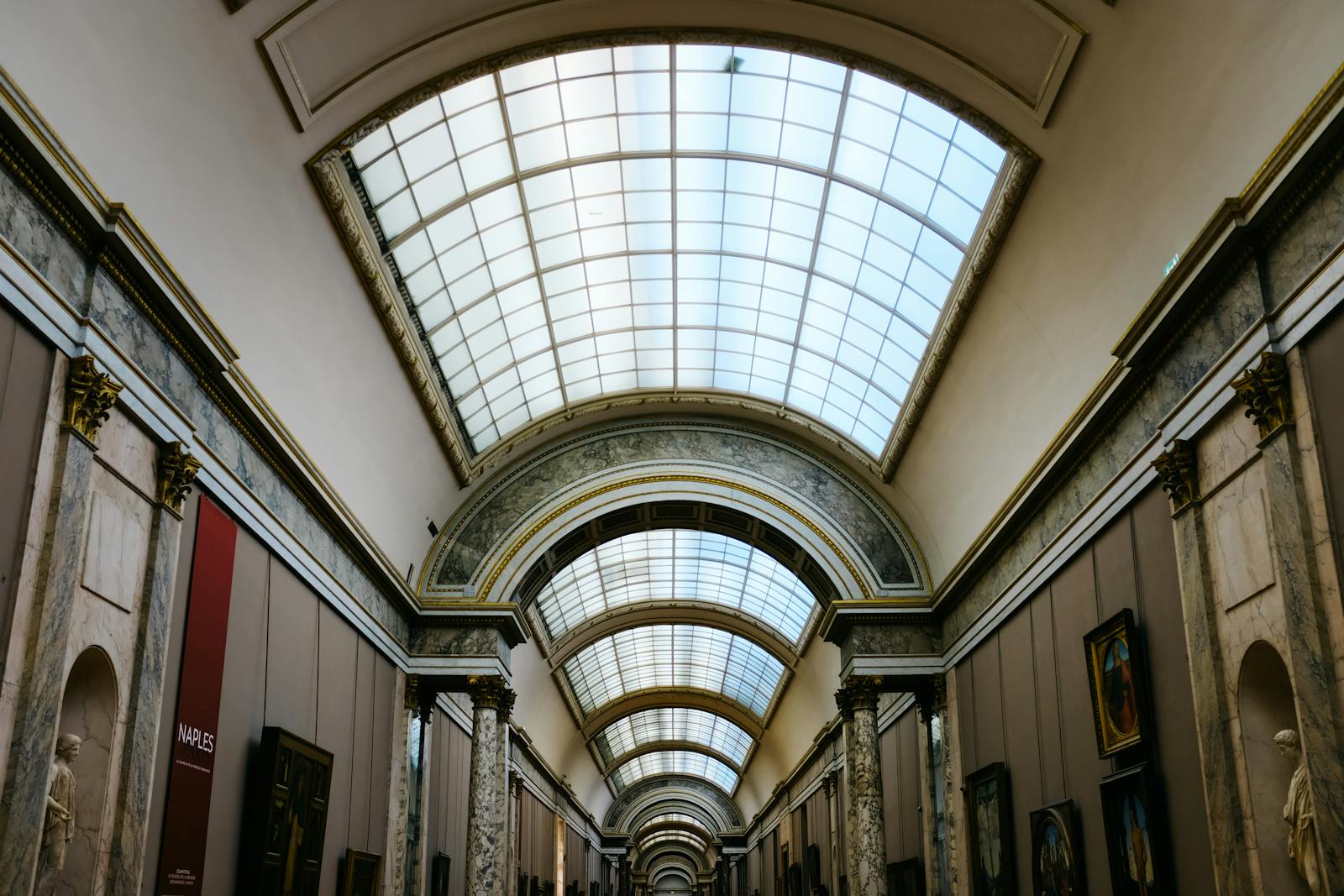
The navigation problem. Louvre signage is notoriously bad. The museum is split into three wings (Denon, Sully, Richelieu) spread across four floors, and the path from, say, the Mona Lisa to Venus de Milo is genuinely confusing even with the map. I have watched travelers cry in the Louvre. It’s usually because they’ve spent 45 minutes trying to find the exit and ended up back at the sphinx they started from. A guide handles all of this.
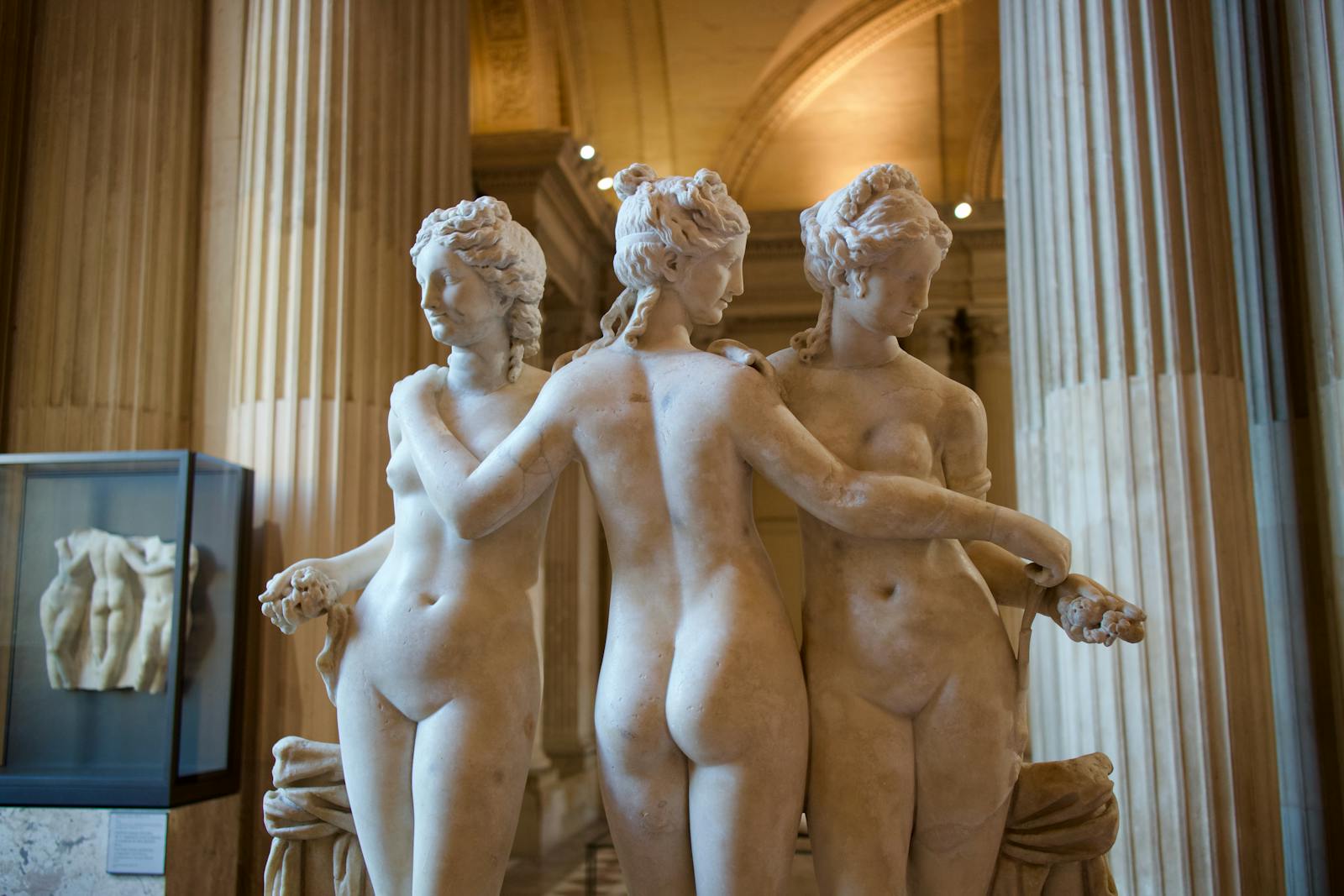
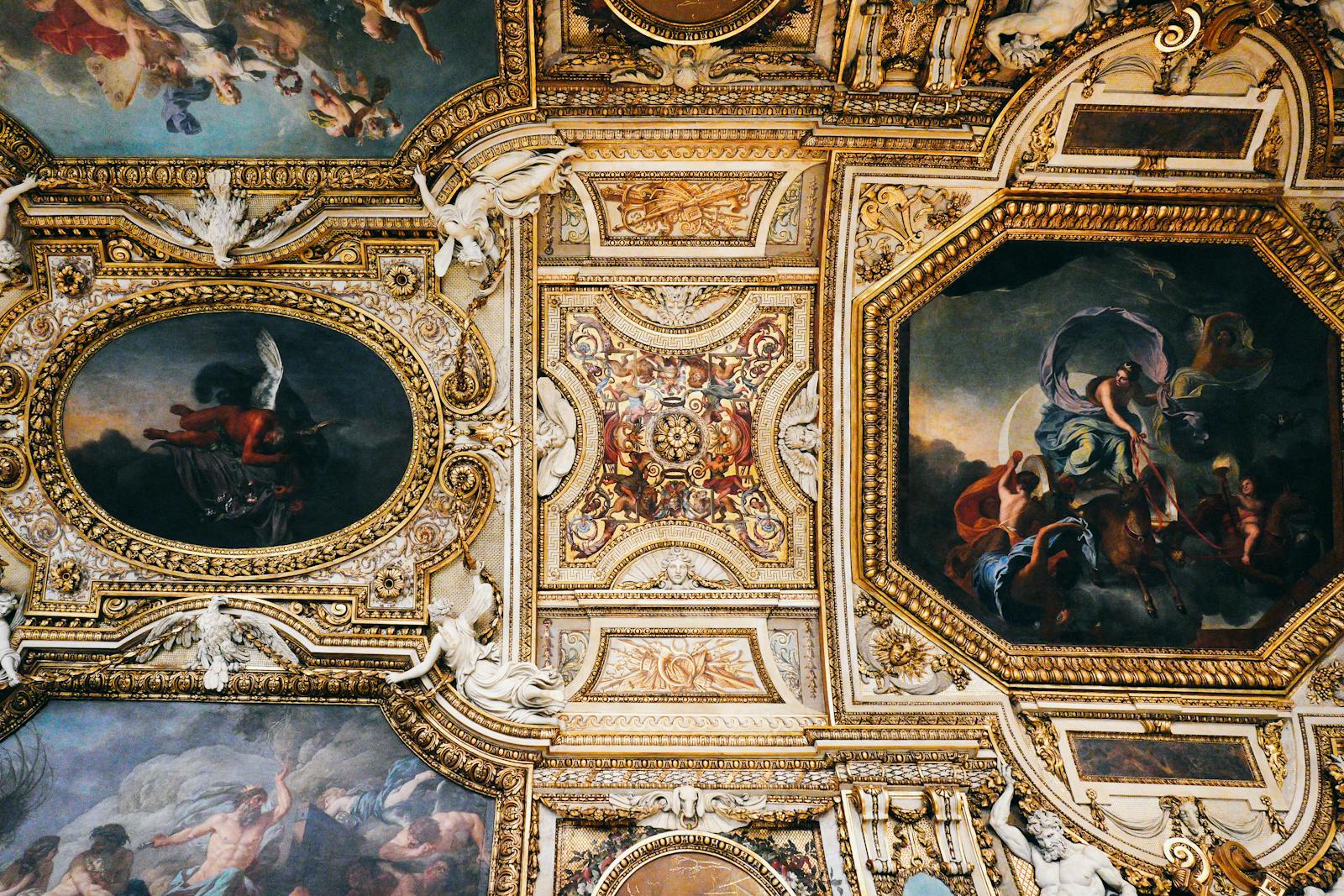
The “why is this important” problem. This is the one that matters most to me. Without context, most of the art in the Louvre is just… old stuff. A good guide transforms a row of classical sculptures into a story about Greek political philosophy, turns a French academic painting into an explanation of the Napoleonic political agenda, and makes you realize that Vermeer’s “Lacemaker” — a tiny painting you would walk straight past — is actually one of the most technically impressive paintings in the museum. The difference between seeing art and understanding it is the difference between a tour and a DIY visit.
The one scenario where a DIY visit works is if you’re an experienced museum-goer, you’ve done prior research, you’re visiting during a slow season (December to February excluding Christmas week), and you have a specific list of pieces you want to see. In that case, buy a timed-entry ticket from the official louvre.fr website and go for it. For literally every other traveler, a guided tour is the right call.
The Four Best Louvre Tours
Here are my picks in order of overall review volume and quality, with honest notes on who each one is right for and where the trade-offs are.
1. Louvre Museum Masterpieces Guided Tour with Reserved Access
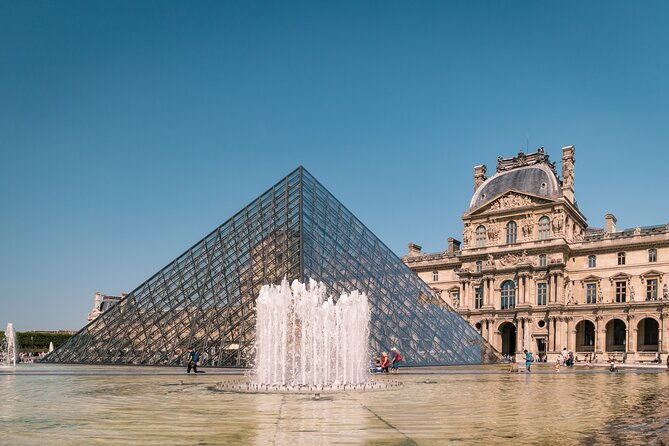
Price: From $86.89 per person • Duration: 3 hours • Rating: 4.5/5 (12,023+ reviews)
This is the most-booked Louvre tour on the market by a very wide margin — 12,000+ reviews is genuinely rare in this category, and it’s the tour I’d send a first-time Louvre visitor to without hesitation. The formula is simple: a guided 3-hour walk through the Louvre’s absolute greatest hits with reserved entry that bypasses the main ticket line, led by a professional art historian who turns each piece into a proper story.
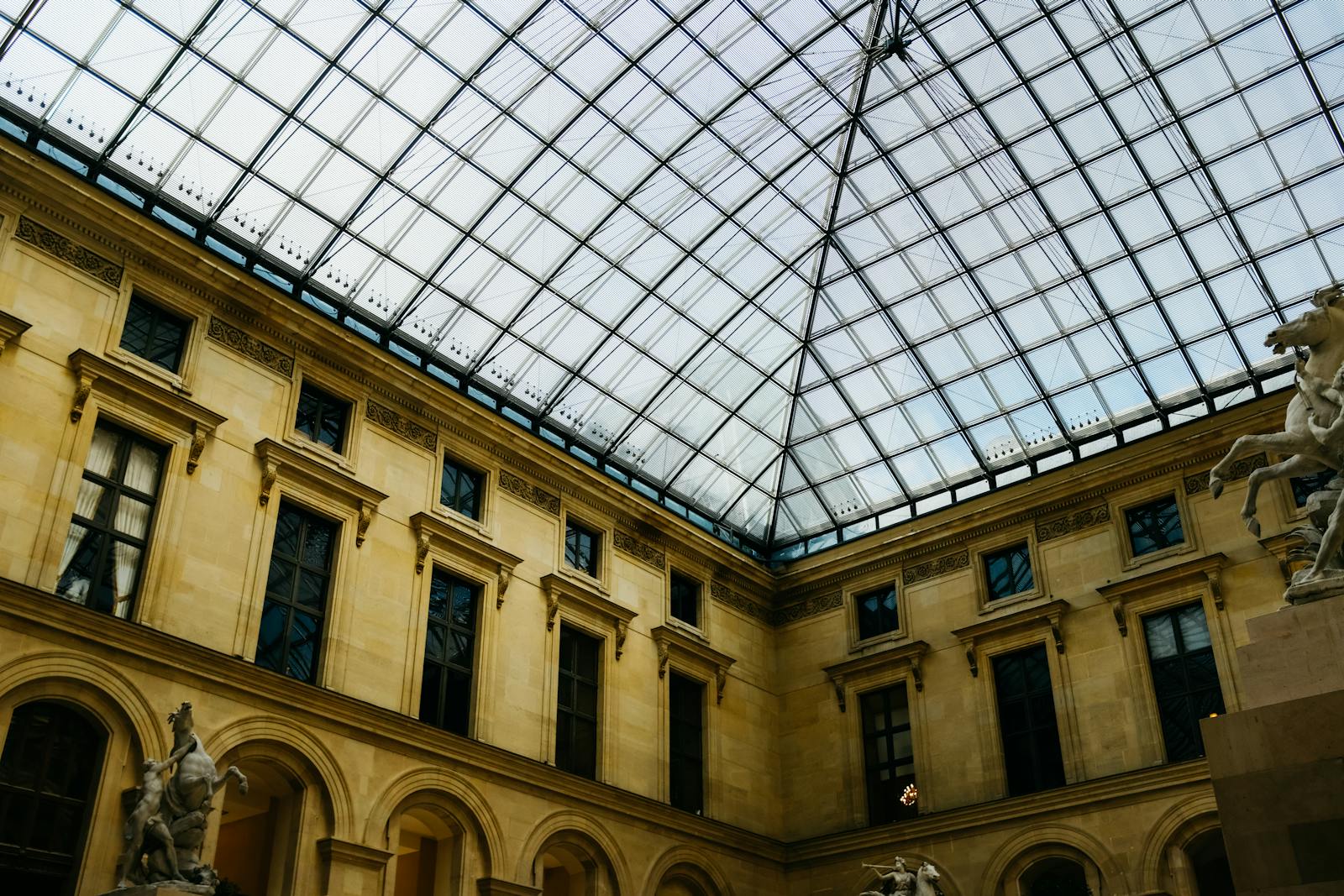
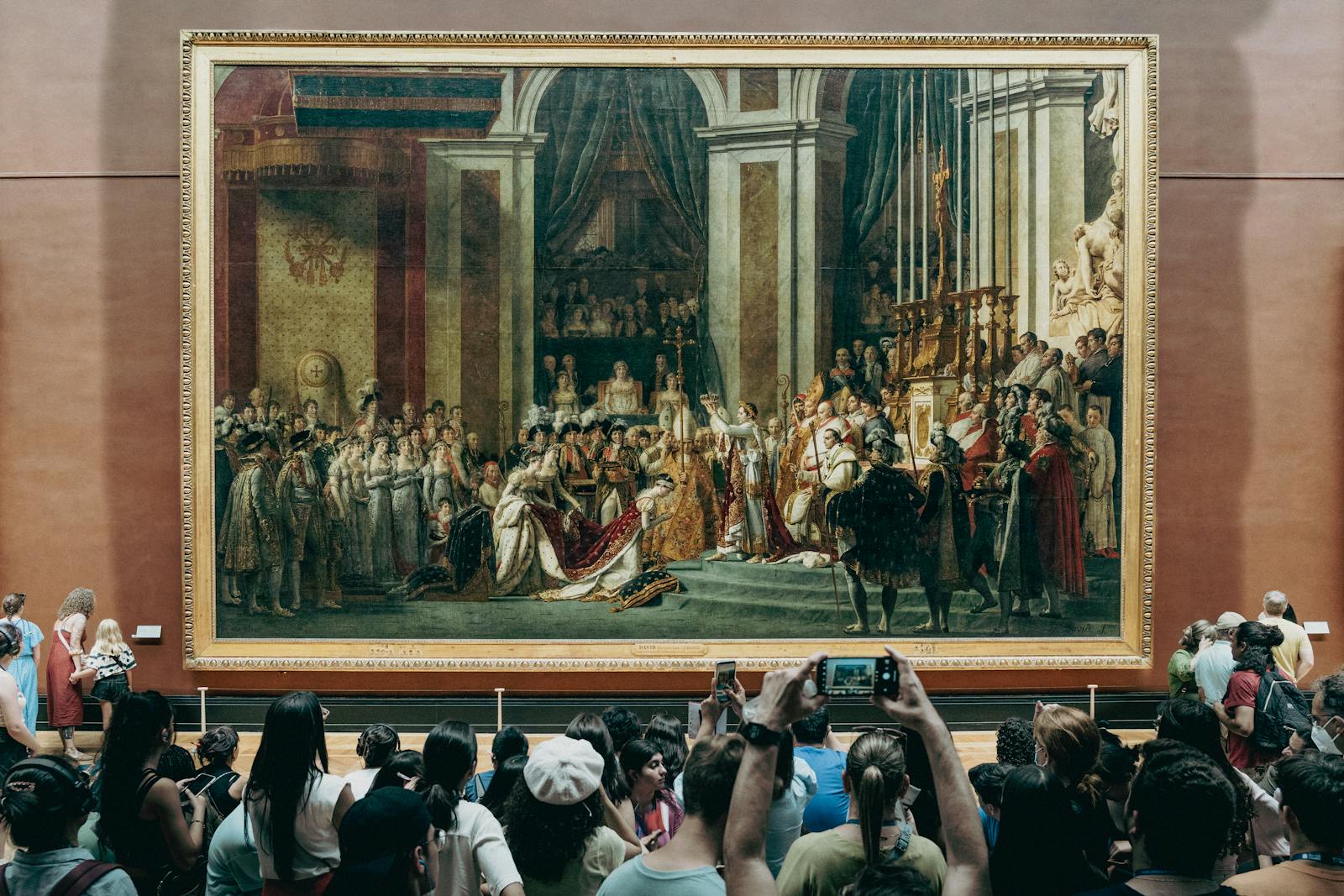
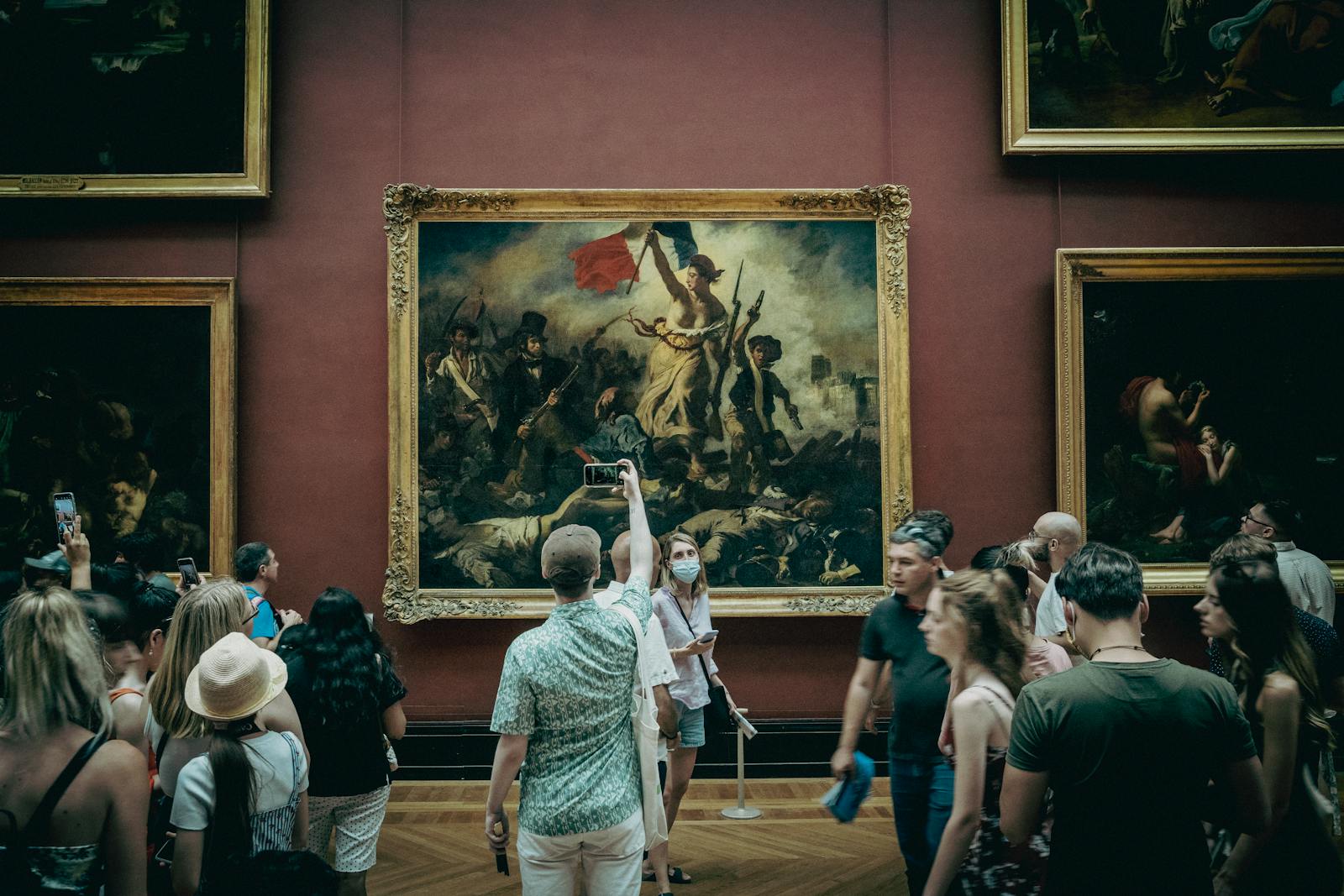
The route covers the pieces everyone wants to see — Mona Lisa, Venus de Milo, Winged Victory of Samothrace, Liberty Leading the People, the Coronation of Napoleon, and a few dozen others chosen by the guide based on the group and the crowd flow that day. The pacing is brisk but manageable: you’re not sprinting, but you’re not lingering either. If you want to spend an hour staring at one painting, this is not the tour for that. If you want to see the major works with expert commentary and still have time to wander on your own afterward, this is exactly right.
The reserved entry matters more than it sounds. You don’t skip the Mona Lisa crowd (nothing does), but you do skip the main pyramid entrance line, which in peak season can add 45 minutes to a DIY visit. You meet your guide near the Carrousel du Louvre entrance (the shopping mall under the pyramid), go through a dedicated group security lane, and you’re inside in under 15 minutes. That alone is worth the price difference over a general admission ticket on a busy day.
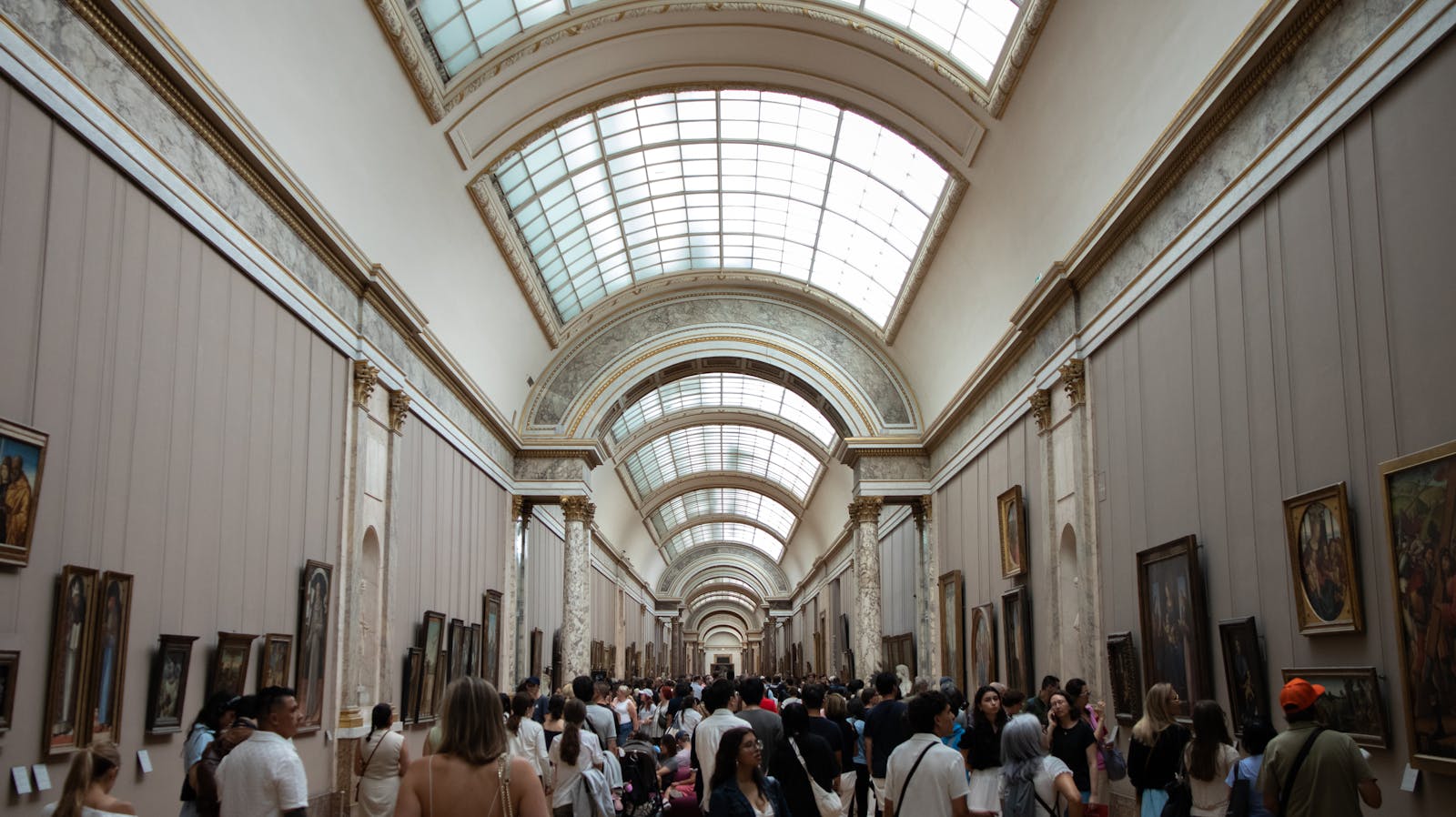
Group sizes are capped at around 25 people and the guides use audio earpiece systems so you can hear the commentary even in the busiest galleries. Reviews consistently mention specific guides by name (Florian, Eric, Claire, Belen), which is a marker of an operator that actually invests in its human talent rather than treating guides as interchangeable. The 4.5-star rating across 12,000+ reviews is about as consistent as you’ll find in the tour market.
My honest advice: book the first available morning slot, which is usually 9am (right when the museum opens). The galleries are substantially emptier for the first 90 minutes of the day than they are after 11am, and you’ll get photographs of the Mona Lisa without 400 other people in the frame. After the tour ends around noon, your ticket remains valid for the rest of the day, so you can grab lunch at the Louvre’s Café Marly (or better, walk 10 minutes to a proper bistro) and then come back to explore any sections that caught your eye.
2. Louvre Museum Exclusive Guided Tour with Reserved Entry

Price: From $181.39 per person • Duration: 2.5 hours • Rating: 5.0/5 (6,296+ reviews)
This is the premium option and the one I recommend to travelers who genuinely want to understand what they’re looking at rather than just see it. A perfect 5.0-star rating across more than 6,000 reviews is vanishingly rare in the tour market, and the reason this one maintains it is that the operator treats every tour like a serious art history lesson rather than a tourism conveyor belt.
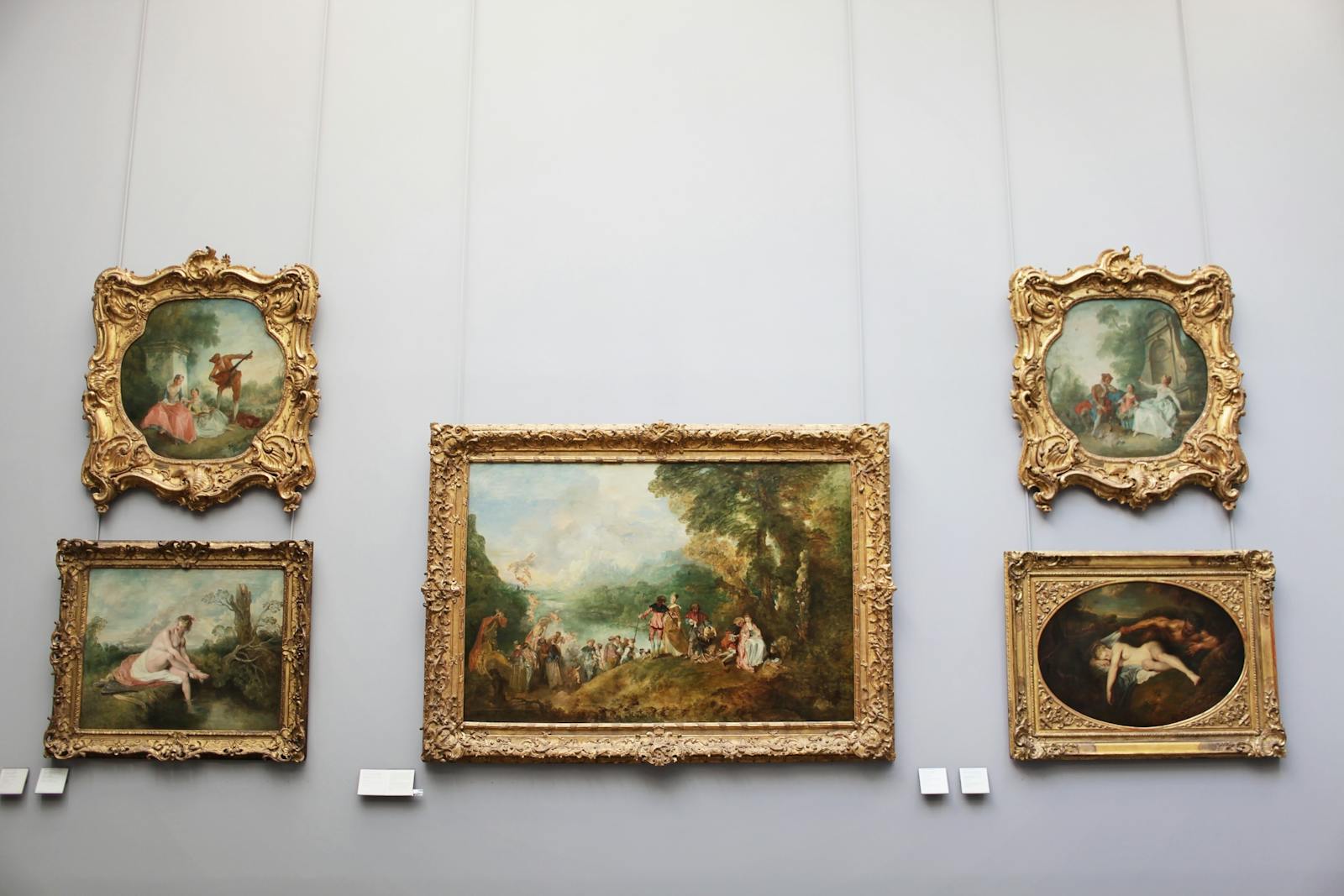
What you get for the premium is twofold. First, the group size is smaller — typically capped at 10 to 12 people instead of 25 — which means the pace is closer to a seminar than a parade. You can actually ask questions. You can actually hear the answers. You can stand in front of a painting for three minutes instead of 30 seconds. Second, the guides are noticeably more experienced. Reviews routinely call out guides by name (Lee, Ivana, Agustina) and describe them as “focused and professional,” “carefully explained the works and their importance,” and “paying close attention to the needs of the group.” That language matches my experience on the similar premium tours I’ve taken at other major museums — you’re paying for art historians who treat this as a profession.
The tour runs 2.5 hours, which is slightly shorter than the budget option, but the density is higher. You’ll cover roughly the same number of major works but spend more time on each one, with more context about the artist, the period, the political situation that produced the piece, and the symbolic details that get missed in a rushed visit. The Mona Lisa section in particular is a different experience — instead of two minutes in the crowd, you’ll get the full 10-minute breakdown of why the painting is technically revolutionary and why the composition has nothing to do with the mysterious smile that the gift shop posters sell.
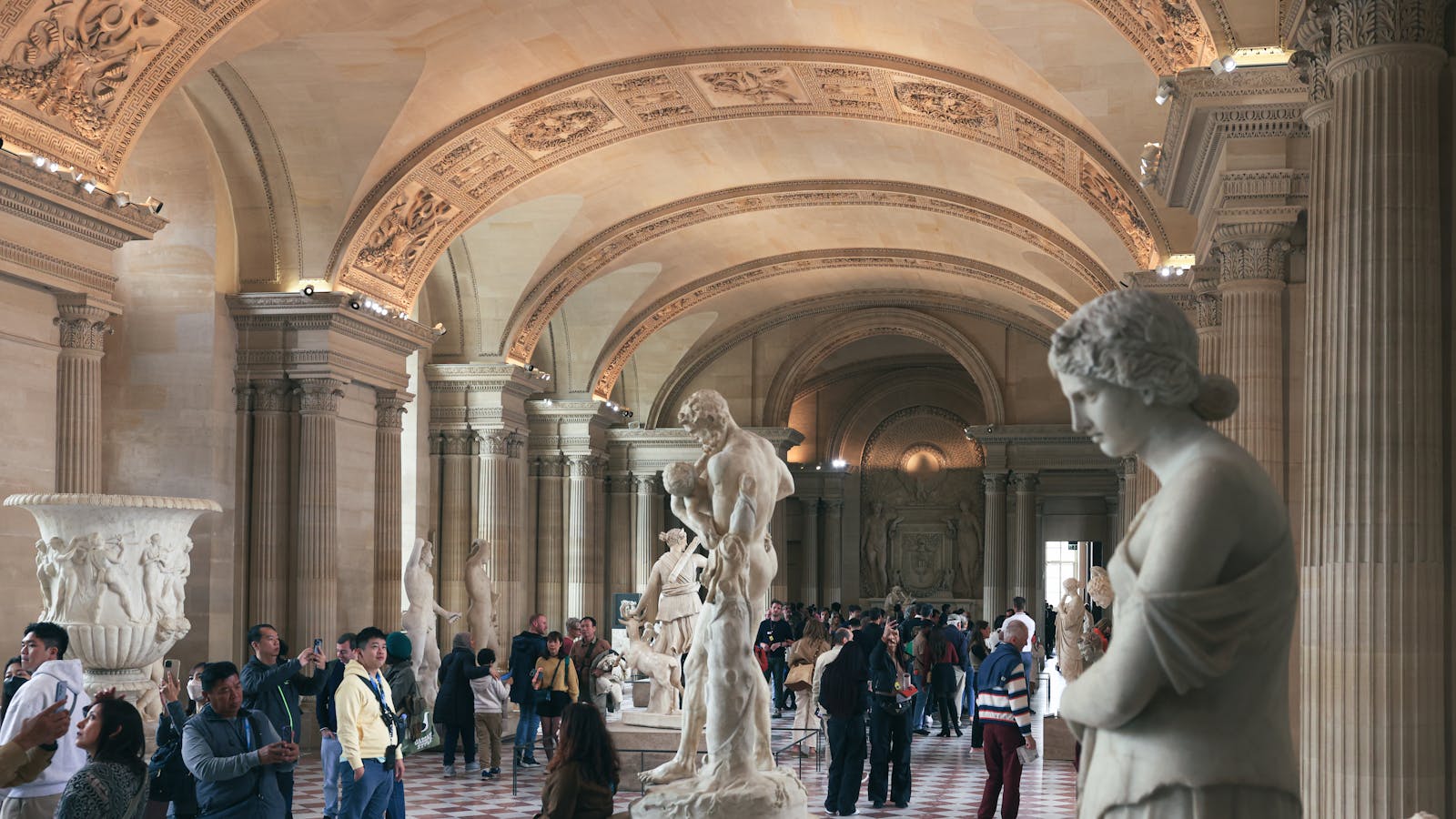
Who should book this: travelers with a genuine interest in art, couples on special occasions, anyone who has been to the Louvre before on a budget tour and wants the deeper version, and families with older teens who want to actually learn something. Who should skip it: families with young kids (the pace will bore them), travelers on a tight budget (the $90 difference from Tour #1 is real), and anyone who just wants to see the Mona Lisa and leave (Tour #1 does that cheaper).
3. Louvre Museum Skip-the-Line Small Group Guided Tour
Price: From $129 per person • Duration: 2 to 3 hours • Rating: 4.6/5 (4,268+ reviews)
This is the mid-range pick and it sits in a genuine sweet spot between the budget and premium options. You get the small-group format (usually 15 to 20 people instead of 25), a skip-the-line entry, a 2-to-3-hour guided walk through the major works, and consistently strong reviews that specifically praise the guide quality and the ability to include everyone in the group dynamic.
The price point ($129) is roughly $40 above the budget tour and $50 below the premium, which makes it a logical step-up for travelers who want better pacing than the big group tours but aren’t ready to pay for the full premium experience. The reviews consistently highlight guides who go 30 minutes over the stated duration to answer questions or show additional works — a sign of guides who take pride in the experience rather than rushing to the next tour slot.
The tour is offered in multiple languages with language-specific departure times, which is a genuine advantage if you’re not a confident English speaker. German, French, Italian, and Spanish tours run on most days during high season. The operator (Get Your Guide’s in-house tour product) also handles the booking and customer service directly, which means cancellations and modifications are straightforward compared to tours sold through multiple aggregators.
Book this tour if: you want better pacing than the budget tour but don’t need the full premium treatment, you’re visiting in peak season and the smaller group size matters for comfort, or you prefer a non-English-language tour and want confidence in the operator. Skip it if: you want the lowest price (Tour #1 wins) or the absolute best guide quality (Tour #2 wins). For a lot of travelers, this middle option is genuinely the right call.
4. Louvre Museum Skip-the-Line Highlights Tour with Mona Lisa
Price: From $95.53 per person • Duration: 2 to 3 hours • Rating: 4.5/5 (1,249+ reviews)
This is the honest “second budget option” — similar format to Tour #1, similar price point, but from a different operator with fewer reviews to its name. The quality is comparable when you get a good guide (the tour is rated 4.5 stars across 1,200+ reviews, which is a solid track record), but the consistency is slightly less reliable than the top pick because the operator uses a larger pool of freelance guides and the individual experience varies more tour to tour.
The itinerary is essentially the same as Tour #1: skip-the-line entry, 2 to 3 hours with a guide, coverage of the Mona Lisa, Venus de Milo, Winged Victory, and a selection of Italian Renaissance paintings and French academic works. The group size is comparable (around 25 people maximum) and the audio earpiece system is included. On a good day, the experience is indistinguishable from the top pick.
Why would you book this instead of Tour #1? Honestly — because of availability. In peak season (June through August) Tour #1 sells out for the morning time slots weeks in advance, and this is the reliable backup that books the same route at a similar price. It’s also sometimes offered at different time slots (including some afternoon options), which helps if you’re trying to fit the Louvre into a busy itinerary.
Book this if Tour #1 is sold out for your dates or if you specifically need an afternoon time slot. Otherwise, Tour #1 is the default choice for essentially the same money.
What the Visit Actually Looks Like
Whichever tour you book, here’s the realistic arc of a Louvre visit. Knowing what to expect in advance helps you avoid the classic mistakes.
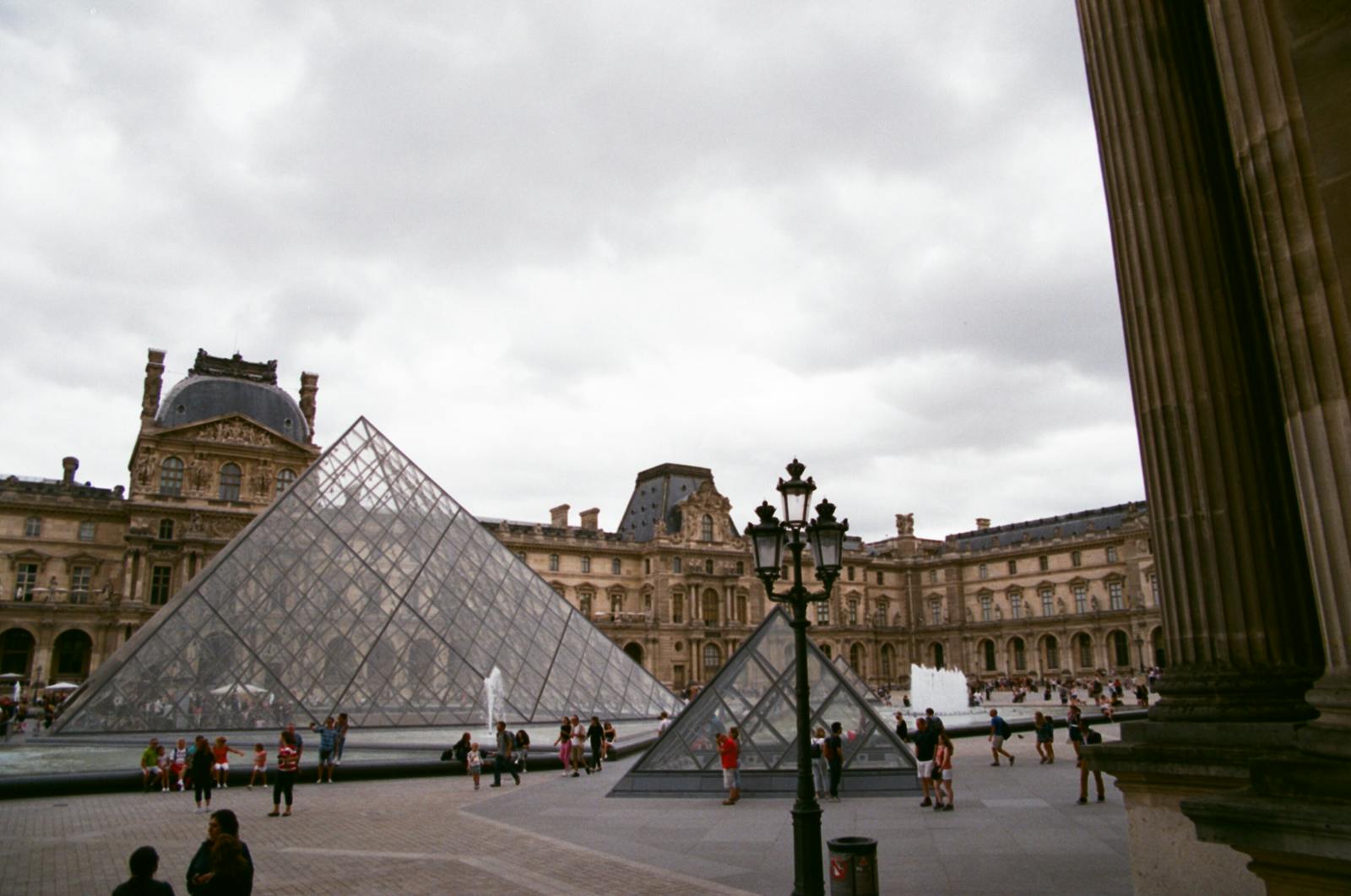
Meeting point and entrance. Most tours meet near the Louvre but specifically NOT at the main pyramid entrance, because that’s where the hour-long general admission line forms. The smart meeting points are either the Carrousel du Louvre (the shopping mall entrance under the pyramid, accessed from Rue de Rivoli) or the Porte des Lions entrance on the Seine side. Your booking confirmation will specify exactly where to meet. Arrive 15 minutes early — your guide will not wait for you, and missing the start means missing the tour entirely in most cases.
Security and ticket redemption. Even with a guided tour, you still go through security screening (bag check, metal detector). Tour groups use a dedicated lane which is considerably faster than the general line. Your guide handles the ticket redemption at the group entrance — you don’t need to print anything, just show your phone with the booking confirmation and follow the group.
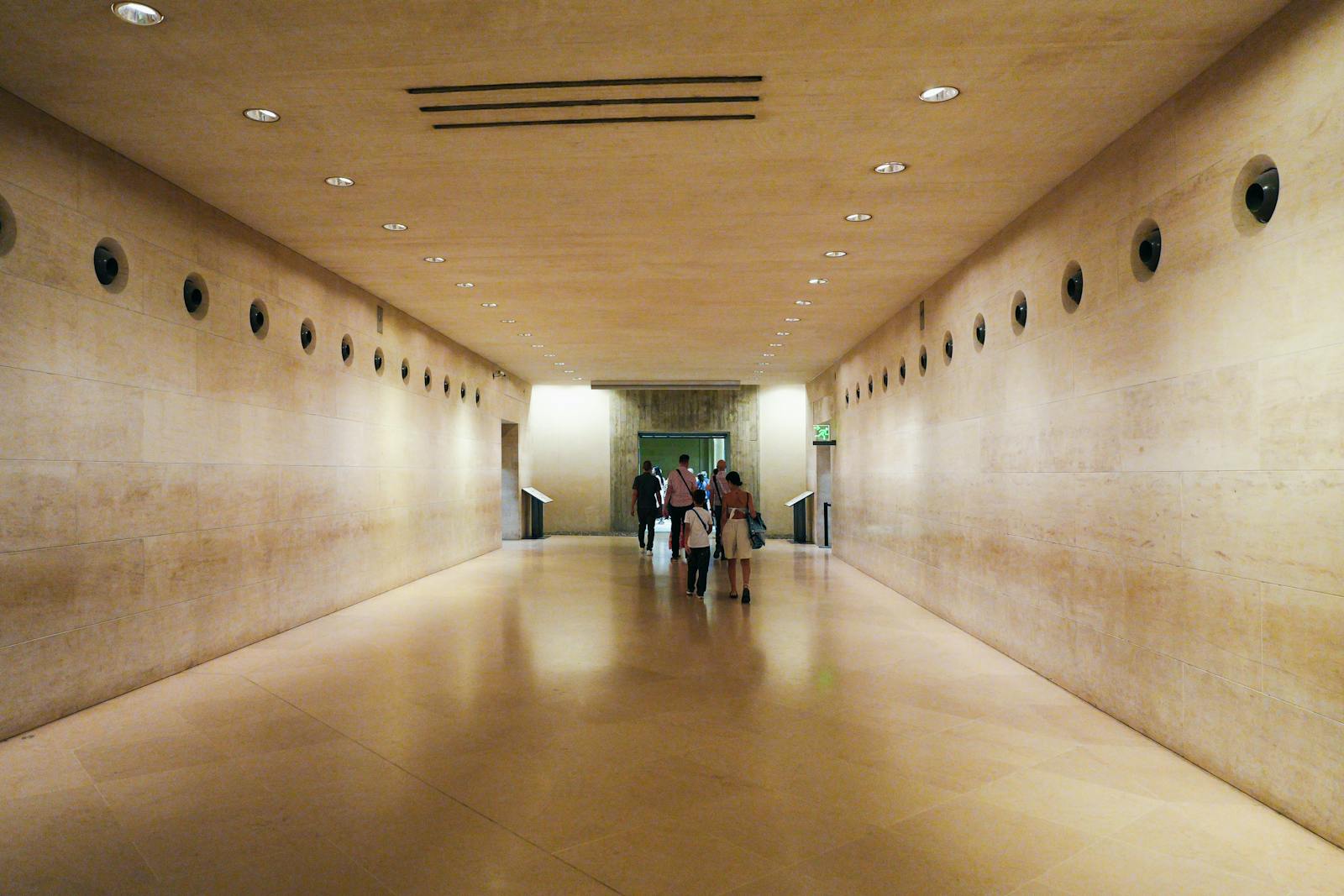
The tour itself. Expect to walk between 2 and 3 kilometers over the course of the tour. The guide will take you through the major galleries in a specific order designed to hit the most important works while avoiding the worst of the crowds. Most tours follow a rough arc: classical antiquities (Venus de Milo, Winged Victory) first, then Italian Renaissance (Mona Lisa, other Leonardo works), then French painting (Coronation of Napoleon, Liberty Leading the People), with occasional stops at less-famous works that the guide particularly wants to highlight.
The Mona Lisa section. Brace yourself. Even with a guided tour, the Mona Lisa room is going to be crowded and you’ll spend maybe 5 to 10 minutes in front of the painting at most. The guide will position the group at the right distance, give you the historical context, and then let individuals approach the painting one at a time. Don’t expect to stand alone in front of it — that’s not a thing that happens at the Louvre. Do expect to come away with enough context to actually understand what you were looking at.

After the tour. This is the part first-timers forget. Your Louvre ticket is valid for the entire day, so when the guided portion ends (usually around the Mona Lisa room or the Napoleon III apartments), you’re free to keep exploring on your own. I strongly recommend doing this for at least another hour — wander to whichever section caught your interest during the tour (Egyptian antiquities, French decorative arts, the Napoleon III apartments are all fantastic) and take your time now that you’re not on someone else’s schedule.
A Quick Historical Frame
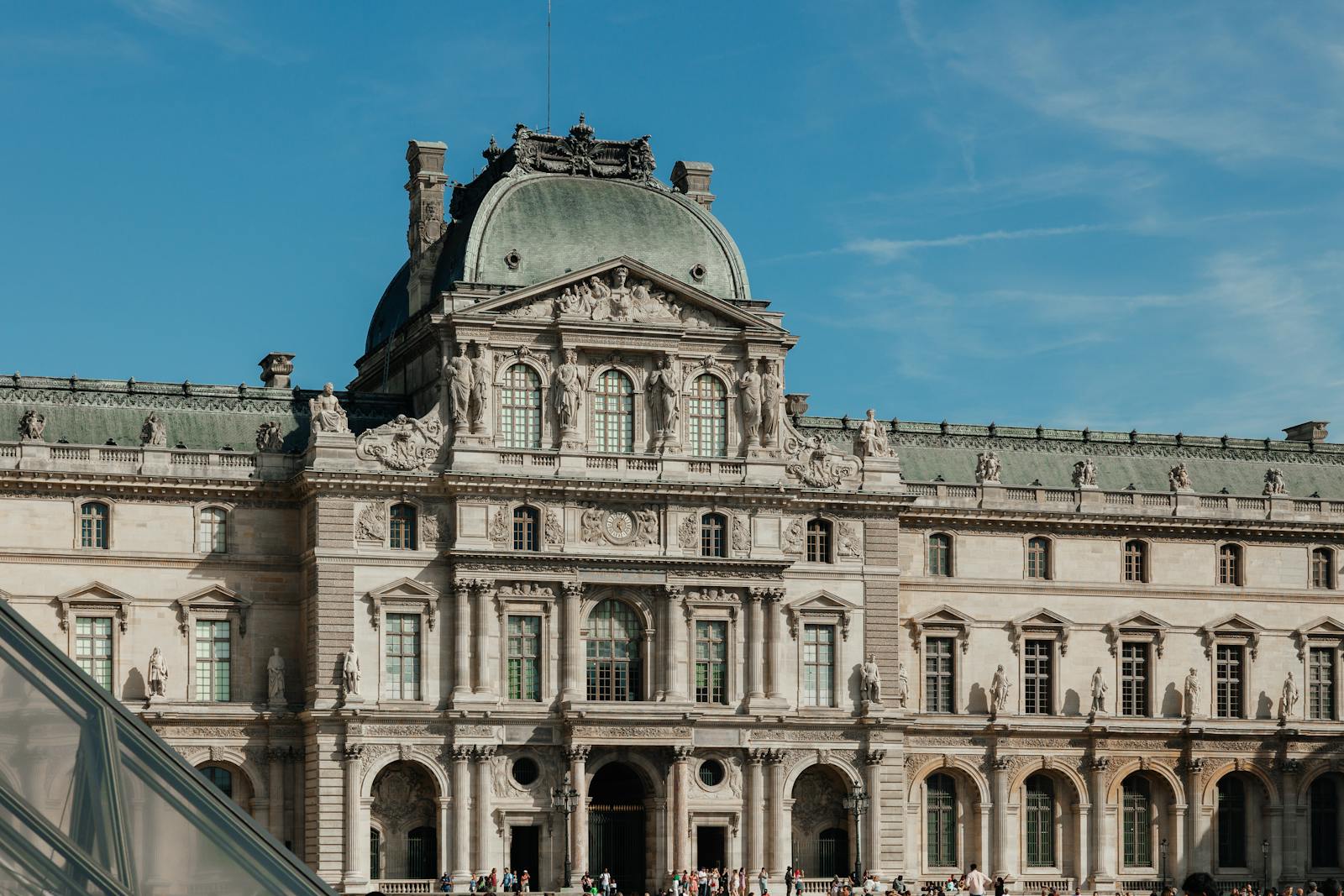
The Louvre is not, originally, a museum. It’s a fortress that became a palace that became a museum, and all three of those identities are still visible in the building if you know where to look.
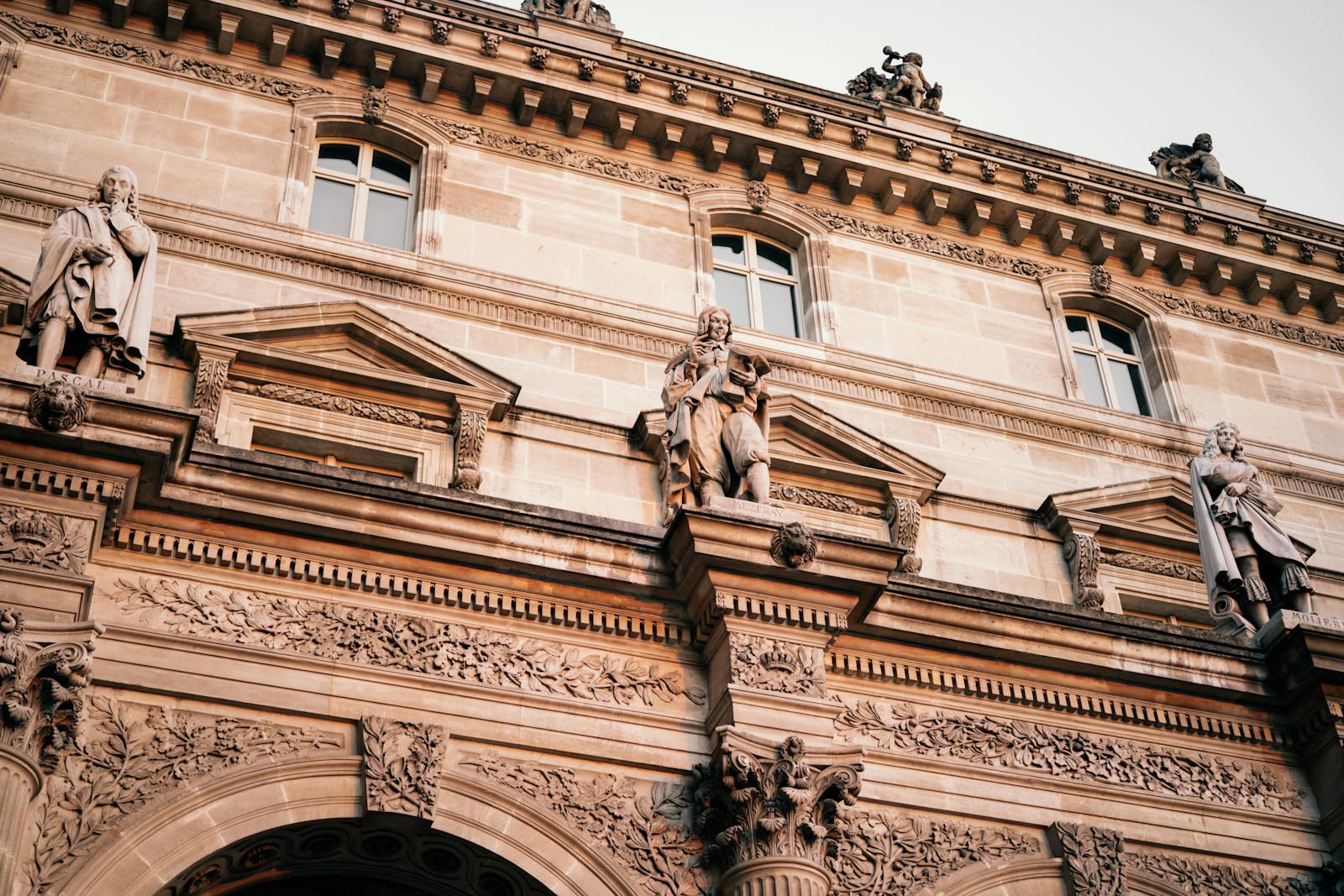
The first Louvre was built by Philip II in 1190 as a medieval fortress to defend Paris from English attack. You can still see the original foundations in the basement of the museum — a part of the visit most travelers skip, and which is genuinely atmospheric. In the 14th century Charles V converted the fortress into a royal residence, and over the next four centuries successive French kings expanded it into the massive palace you see today. Louis XIV famously abandoned the Louvre for Versailles in 1682, which is the only reason the building survived intact long enough to become a museum — Versailles absorbed all the royal decoration budget and the Louvre just sat there, mostly empty.
The museum itself opened on August 10, 1793, one year into the French Revolution. The revolutionary government had just executed Louis XVI and seized the royal art collection, and they decided to open the palace to the public as a symbol of the new republic — the idea being that great art belonged to the people, not the king. The founding collection was about 500 paintings. Today there are over 500,000 objects in the collection, most of which are in storage, with about 35,000 on display at any time.
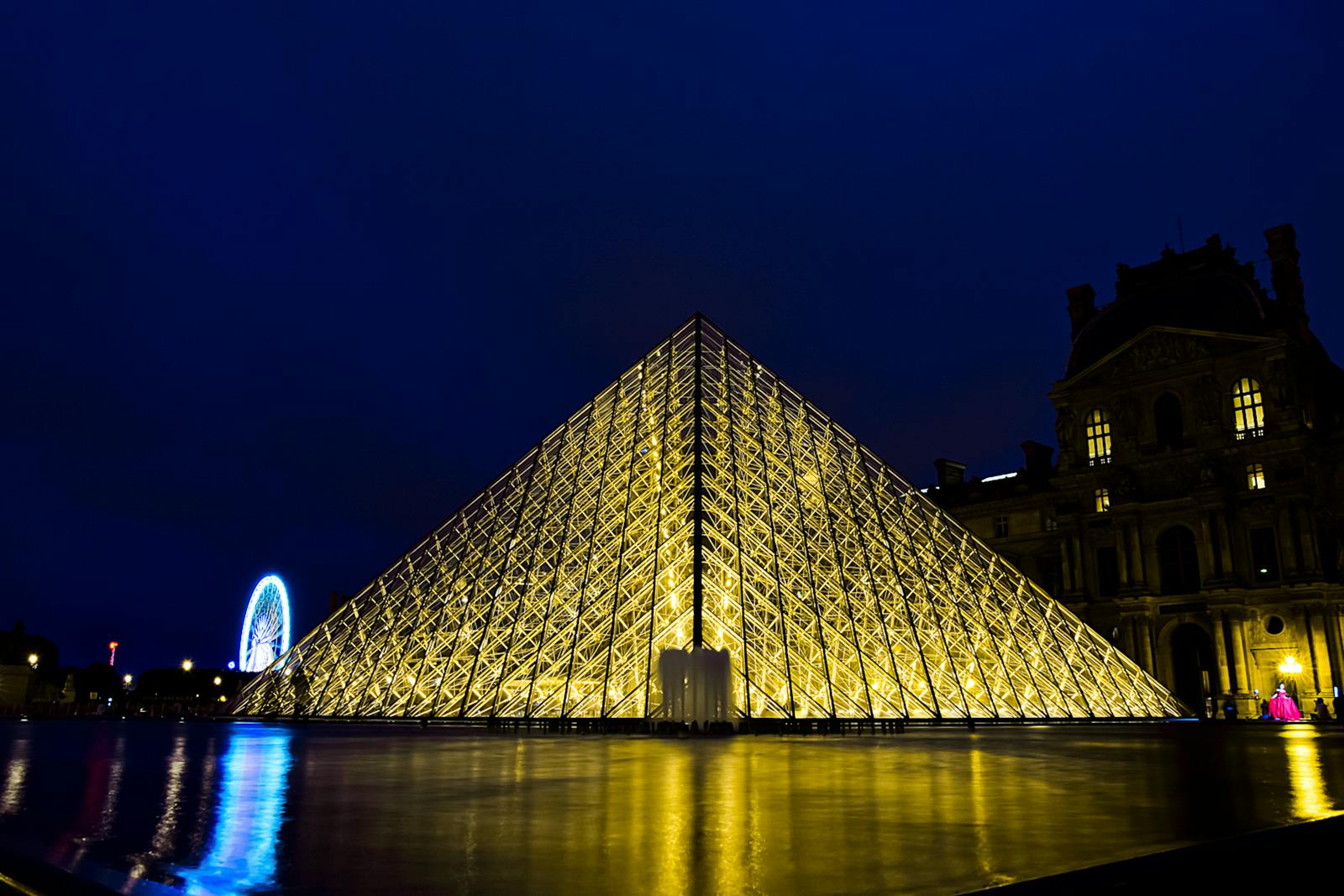
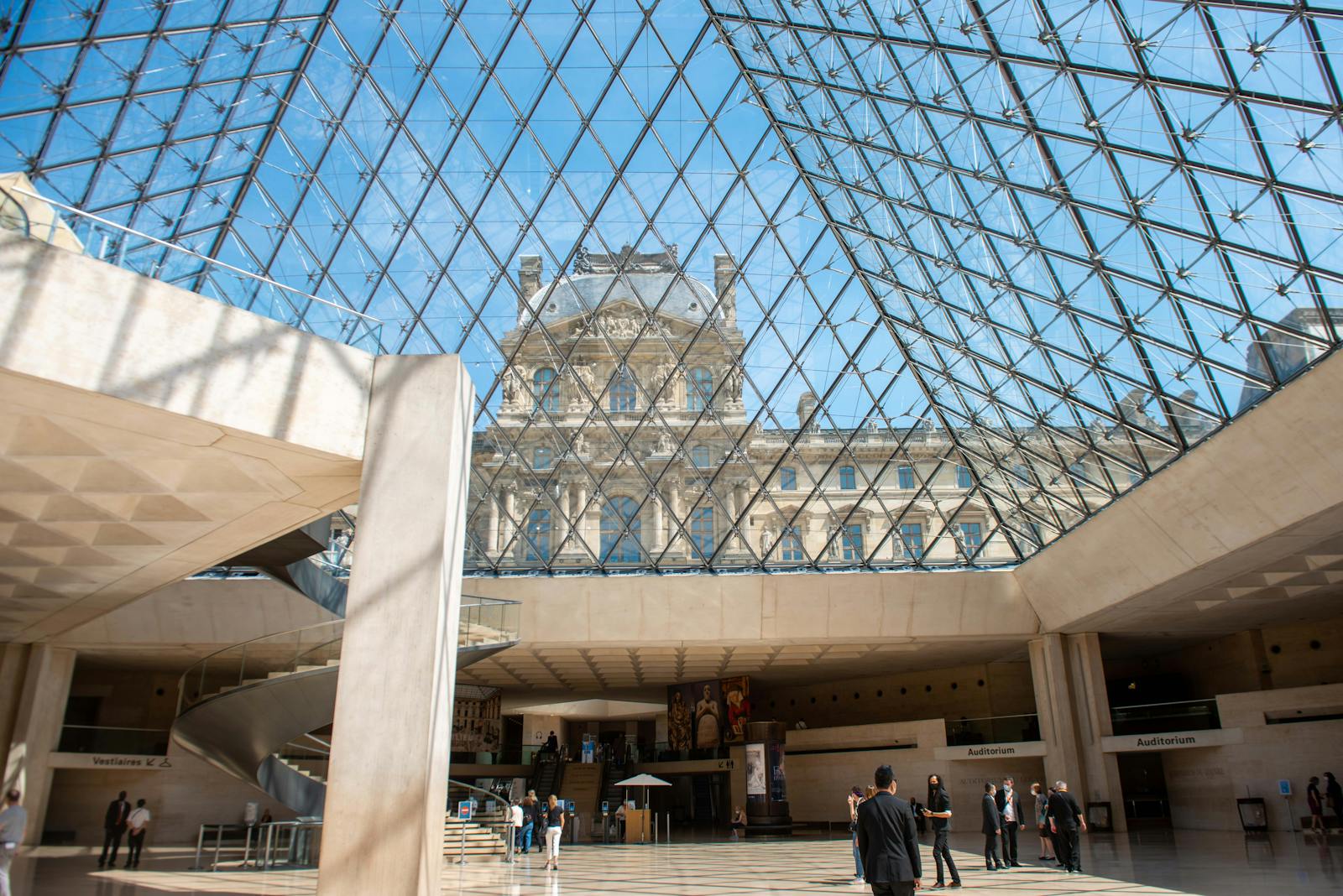
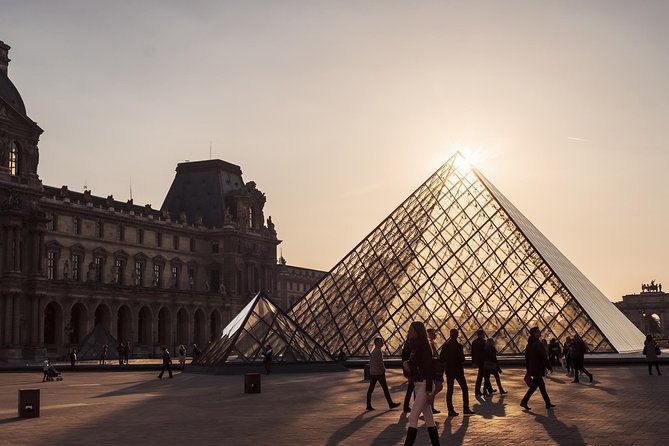
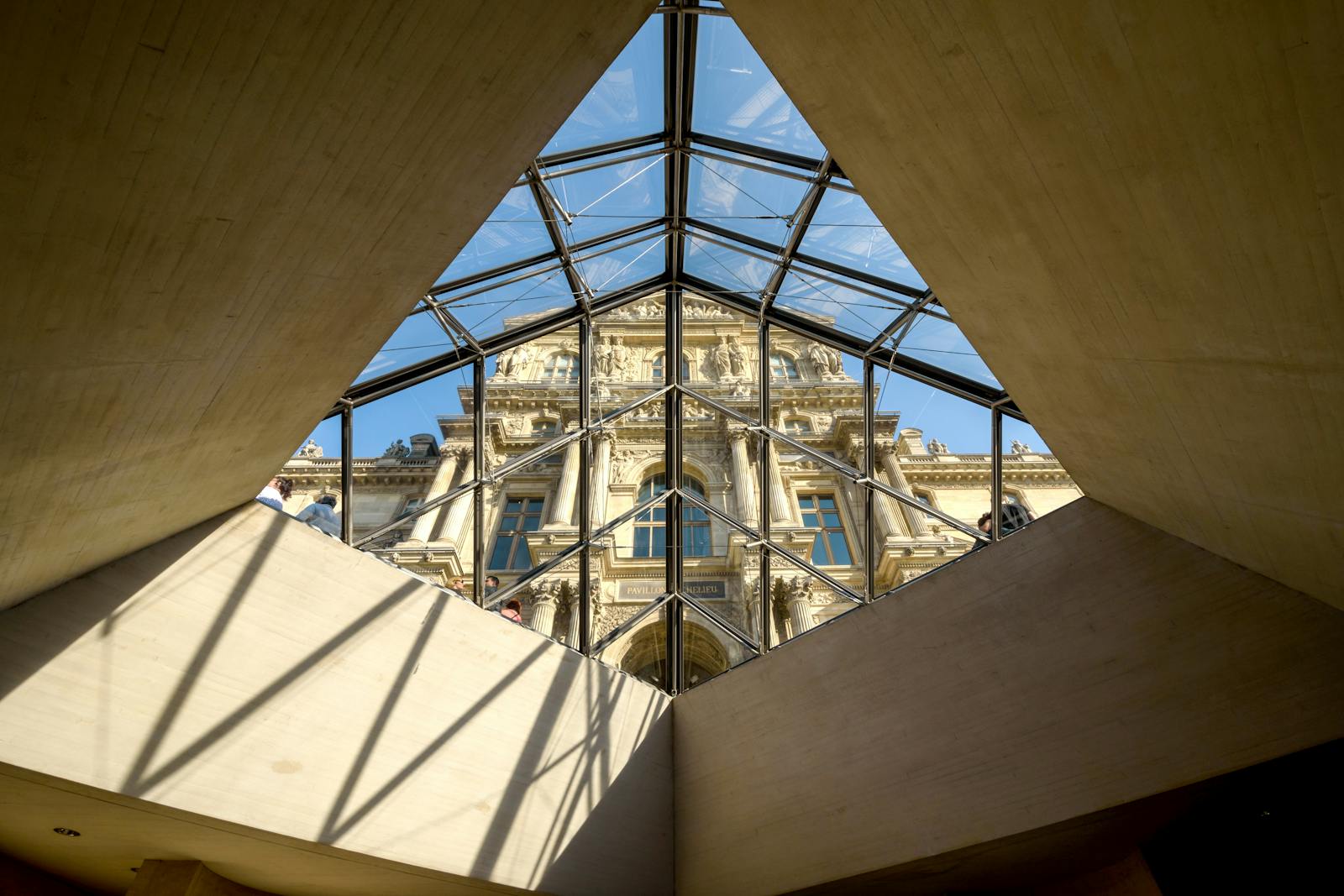
The glass pyramid that everyone photographs was added in 1989, designed by Chinese-American architect I.M. Pei as part of a major renovation under President Mitterrand. It was controversial at the time — Parisians hated it — but it has become one of the most recognizable landmarks in the city. The pyramid serves the extremely practical purpose of giving the museum a single modern entrance instead of the previous mess of doorways scattered across the three wings.
Most of the collection was assembled under Napoleon, who used his military conquests across Europe and Egypt as an excuse to ship thousands of paintings, sculptures, and antiquities back to Paris. After his defeat in 1815, many of the looted works were returned to their countries of origin, but a significant number stayed — including works the other countries had never really owned legally in the first place. The Louvre’s Italian Renaissance collection, its Egyptian antiquities wing, and its Napoleonic French painting section are all products of that era.
When to Go
The Louvre calendar matters a lot because crowd levels swing dramatically based on day, time, and season.

Day of week. The Louvre is closed on Tuesdays. That means Wednesday mornings and Saturdays are the worst days — Wednesday because the Tuesday-closed crowd doubles up, Saturday because it’s the weekend. Thursday and Friday mornings are the sweet spot. Sunday is surprisingly busy because locals come for free-entry days (first Sunday of each month, October through March).
Time of day. The first 90 minutes after opening (9am to 10:30am) are significantly emptier than the rest of the day. By 11am the galleries are full. The second-best window is after 4pm, when the morning tour buses have left and you have roughly two hours before closing at 6pm (9:45pm on Wednesdays and Fridays for the late-opening days). The worst window is 11am to 2pm on any day.
Late opening nights. Wednesday and Friday evenings the Louvre stays open until 9:45pm, and the 7pm to 9pm window is genuinely one of the best times to visit. The tour buses are gone, most day-trippers have left for dinner, and you can actually stand in front of the major works without jostling. Not every tour operator offers late-night tours but the best ones do.
Season. July and August are peak madness — the galleries are uncomfortably packed and the air conditioning (which was upgraded in 2020) still struggles. September, October, April, and May are the sweet spots — lighter crowds, comfortable temperatures, and the museum’s full schedule of temporary exhibitions usually lines up with these months. November through February is low season — the quietest time to visit, but you’re trading crowd-free galleries for gloomy Paris weather.
Avoid: Tuesdays (closed), the first Sunday of each winter month (free entry, very crowded), school holiday weeks (French vacation schedule is published online), and the day after any major French public holiday.
Practical Tips Nobody Tells You
Use the Carrousel du Louvre entrance. The main pyramid entrance is the obvious choice and therefore the crowded one. The Carrousel du Louvre shopping mall entrance (99 Rue de Rivoli) leads to the same security checkpoint with a fraction of the line. Most tours meet here for exactly this reason.
Bring a water bottle. There are free water fountains throughout the museum. The cafes charge €4 for a small bottle of water. Bring your own.
Check the bag storage. Large bags (anything bigger than a small backpack) have to be checked at the cloakroom, which is free but adds 15 minutes to your entry time. If you’re on a tour, the guide will warn you — plan ahead and travel light.
Photography is allowed, flash is not. You can photograph almost everything in the Louvre (the only exceptions are temporary exhibitions with their own rules). Flash photography is banned to protect the paintings. Most phones handle the available light fine.
The basement is worth visiting. Most travelers miss the medieval Louvre section in the basement, where you can see the foundations of the original 12th-century fortress. It’s atmospheric, rarely crowded, and a genuinely different experience from the art galleries upstairs. If you have time after your tour, walk down to this section.
Don’t eat at the Louvre cafes. The food is expensive and mediocre. Walk five minutes out of the museum to any of the bistros around Palais Royal or Rue Saint-Honoré for a proper meal. Café Marly (the fancy one on the Louvre’s outer terrace) is the exception — overpriced, but the view of the pyramid is worth it for a coffee break.
The gift shop under the pyramid is surprisingly good. Most museum gift shops are terrible. The Louvre’s main shop, accessed from the Carrousel du Louvre, has a strong selection of art books, quality reproductions, and well-designed souvenirs that aren’t tacky. It’s a legitimate shopping destination.
More Paris Guides Coming Up
If you’re planning a packed Paris itinerary, pairing the Louvre with an afternoon on the Seine is one of the most efficient day structures — morning tour of the museum, lunch on Ile Saint-Louis, and then a Paris Seine river sightseeing cruise in the late afternoon. If you’re going all-in on the evening experience, the Seine dinner cruise guide covers the options for combining the Louvre with a memorable dinner on the water.
For travelers stacking museum visits, I’d recommend reading the Musée d’Orsay tickets guide next — Orsay is the natural complement to the Louvre (Impressionists and post-Impressionists from the 1850s to 1914, where the Louvre ends its chronological range) and is a fraction of the size, making it a much more relaxed half-day. The combination of a morning at the Louvre and an afternoon at Orsay is the classic Paris museum day.
If you want to escape the city entirely, my Versailles day trip guide covers the four best options for the palace day trip. The Eiffel Tower tickets guide and the Arc de Triomphe rooftop guide are both coming next and cover the other essential Paris monuments.
See Also — Latest Paris & France Guides: Arc de Triomphe rooftop guide, Musée d’Orsay tickets guide, Eiffel Tower tickets guide, Normandy D-Day beaches guide, French Riviera day tours guide, Paris food tours guide, Palais Garnier tickets guide, Mont Saint-Michel day trip guide, Paris Catacombs tickets guide, Sainte-Chapelle tickets guide, Montmartre walking tours guide, Giverny Monet day trip guide, Paris hop-on hop-off bus tours guide, Loire Valley castles day trip guide, Moulin Rouge cabaret shows guide, Saint-Emilion and Bordeaux wine tours guide, Disneyland Paris tickets guide, Paris bike tours guide.